What Are Paint Sheens and What’s the Difference?
June 29, 2023If you’re unfamiliar with the nuances of paint sheen, you’ve come to the right place. In the broadest terms, the higher the sheen a paint has, the higher the shine and the more durable it will be. Flat paint has no shine, while high-gloss paint is all shine, and the rest of the spectrum includes matte, eggshell, satin, and semi-gloss, which can be used for practical and decorative purposes alike.
What’s a Paint Sheen?
 The paint sheen tells you how much light the paint reflects. Paints with higher sheens are shinier, and paints with lower sheens reflect less light. Higher-sheen paints have more enamel in them, which makes them shinier, more durable, and easier to clean. Lower-sheen paints are easier to look at because they have little to no glare.
Why does it matter?
 If chosen incorrectly, sheen can amplify surface imperfections, make a surface shinier (or flatter) than intended, or not provide enough durability for the space. Some sheens are easier to clean than others and can provide a barrier against moisture, mildew, and other grime.
The darker and richer a paint color is, the more colorant it contains, which boosts sheen. If you’ve chosen a rich or dark paint, and you don’t want it to turn out super shiny, choose one with a lower sheen. In the same vein, if painting a large, sun-washed, or flawed surface, a lower sheen paint is best for hiding imperfections.
What Are the Different Paint Sheen Types?
• High Gloss: A highly reflective, glass-like finish that’s most durable and easiest to clean.
• Semi-Gloss: A sleek and luminous finish that is mildew, moisture, and wear resistant.
• Satin: A pearl-like finish that’s easy to clean and has moderate durability.
• Eggshell: A soft, velvety finish that covers imperfections while offering some durability.
• Matte: A low-luster finish that’s less durable, but easy to clean, touches up well, and hides minor surface imperfections.
• Flat: A non-reflective finish that touches up well and can hide minor surface imperfections.
Where to Use Common Types of Sheen
The type of sheen you choose for a particular room or surface is up to you, and many types can work well for the same area, but you may choose one over another depending on how much traffic the room sees (durability), how prone to dirt or moisture it is, or simply the decorative look you’re going for. Here are some recommendations to help get you started.
• Kitchens: A high or semi-gloss finish in the kitchen ensures your surfaces are more durable and easier to clean.
• Dining Rooms: For moderate-traffic areas like dining rooms, an eggshell finish will provide smooth, clean-looking walls.
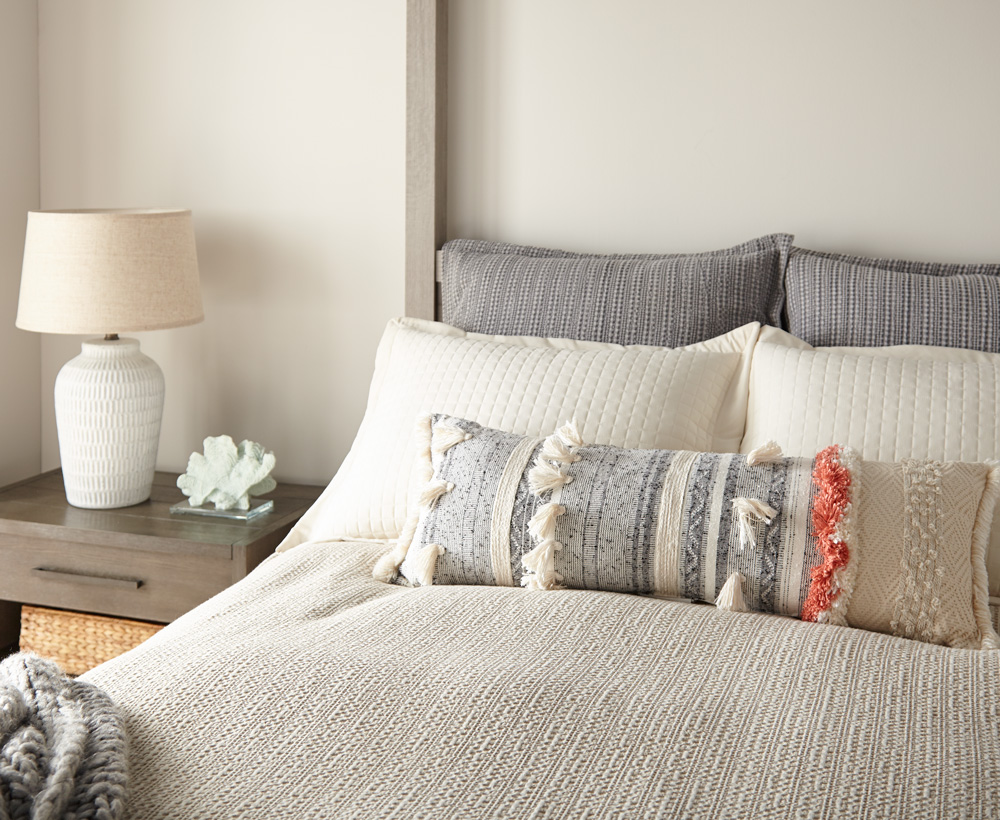
• Bedrooms: A flat or matte finish is recommended as these absorb light, which can make those bright mornings more bearable.
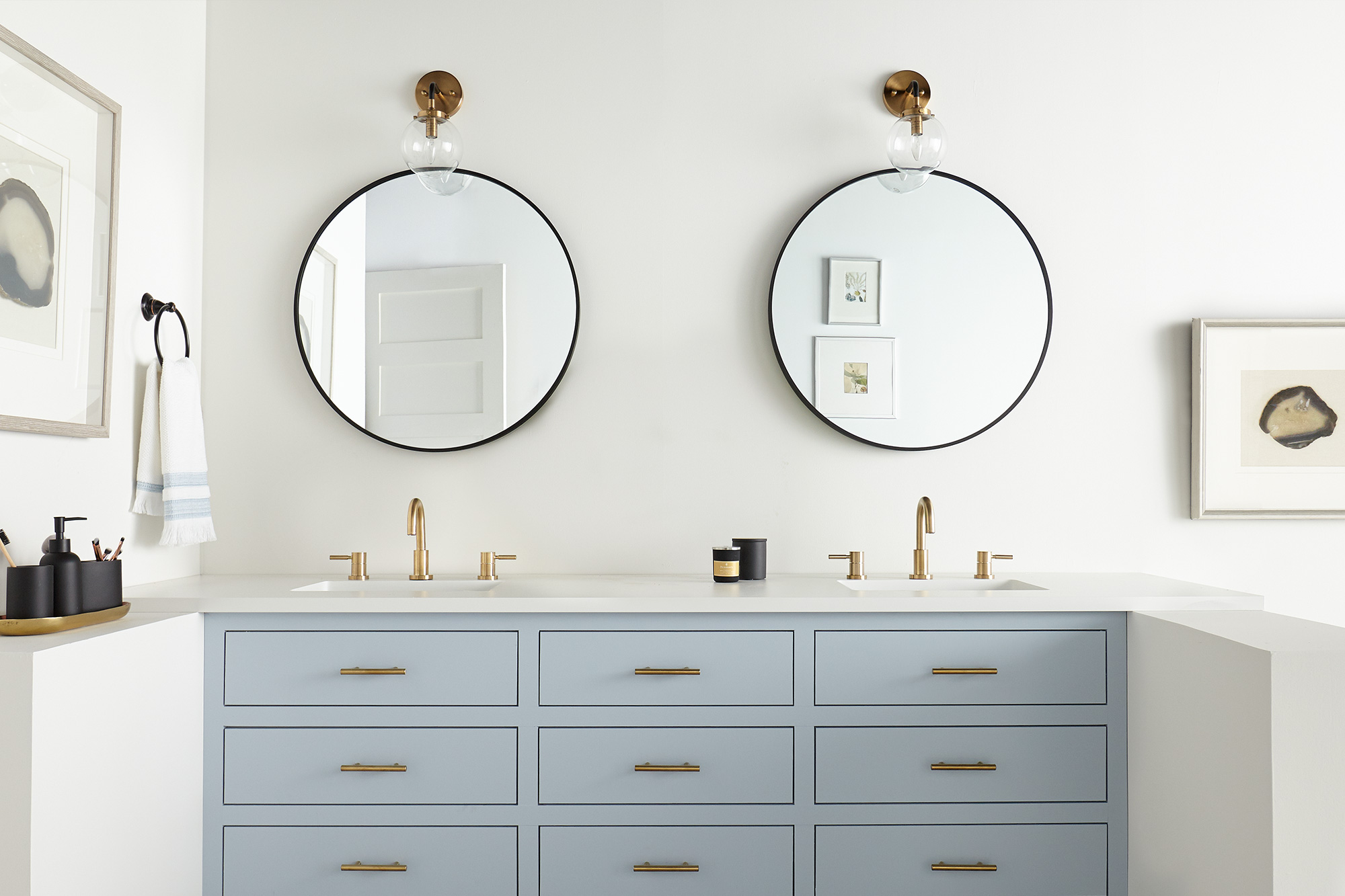
• Bathrooms: Semi-gloss is great at protecting surfaces without being too reflective.
• Living Rooms: A satin finish is your best bet. It’s easy to clean and can stand up to high traffic.
• Hallways: An eggshell finish that’s easy to clean and resists dirt and grime is perfect for these moderate-traffic areas.
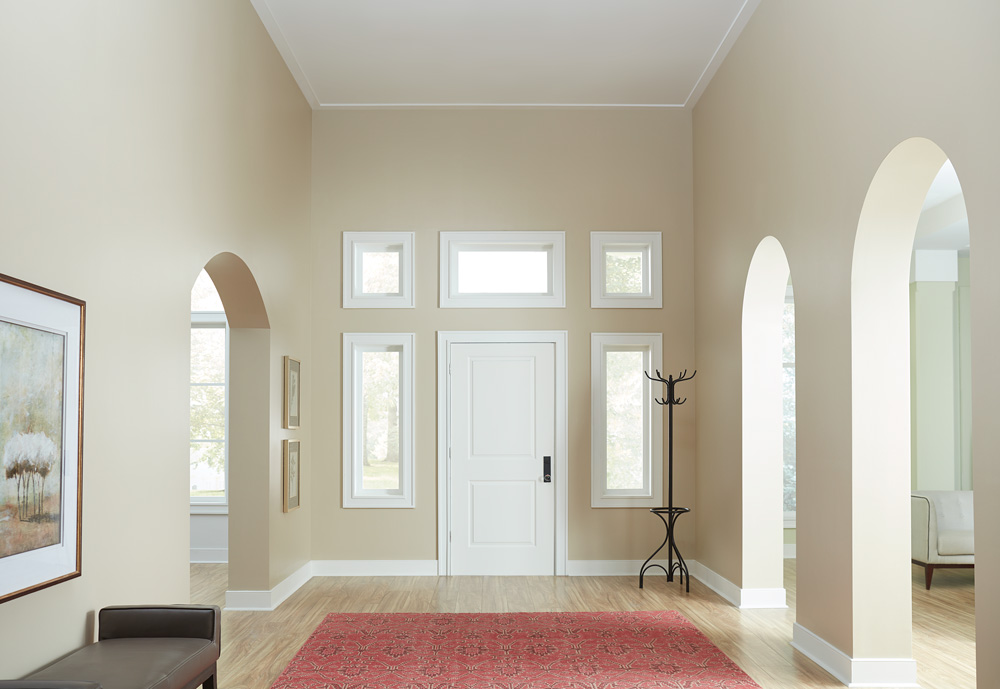
• Ceilings: Ceiling flat sheens are designed for ceilings and are extra splatter resistant.
• Brick/Masonry: Satin or eggshell is perfect for highly textured surfaces like brick; a moderate shine can help to conceal imperfections while giving off a pleasing glow.
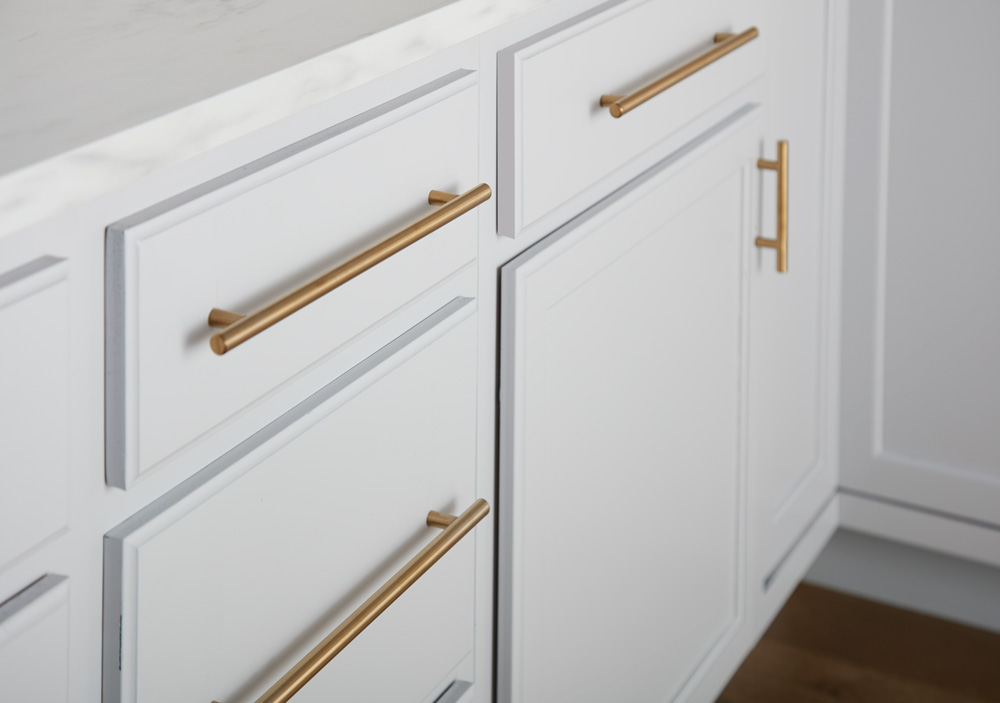
• Cabinets: The higher the gloss, the easier it will be to clean and care for your cabinets.
Always Prime Before You Paint
We always recommend using one of our professionally trusted primers to ensure your hard work turns out as beautifully as you intended. Primer provides adhesion for any paint you choose, covers stains, prevents chips, and blocks odors, and helps your topcoat perform its best while achieving the truest possible color. Our primers are made for every project, so choosing the best one for the job is easy.
Always remember to refer to our website kilz.com or product back labels for additional information on which primer is right for your project and detailed instructions on how to apply our products. Check out our Coverage Calculator to understand your estimated paint needs for your upcoming project.
RELATED ARTICLES
get inspired:
FOLLOw us:
@kilzbrand
SHOP

PRODUCTS
What’s Really in the Can? Primer vs Paint & Primer in One
June 29, 2023Primer vs. Paint and Primer: Can All-in-One Do It All?
If you can skip a step in the painting process and still get the same results, it seems like a no-brainer. Many paint and primer in one (PPIO) products boast this claim, but should you always combine these steps and skip using a separate primer?
When to Choose a Self-Priming Paint
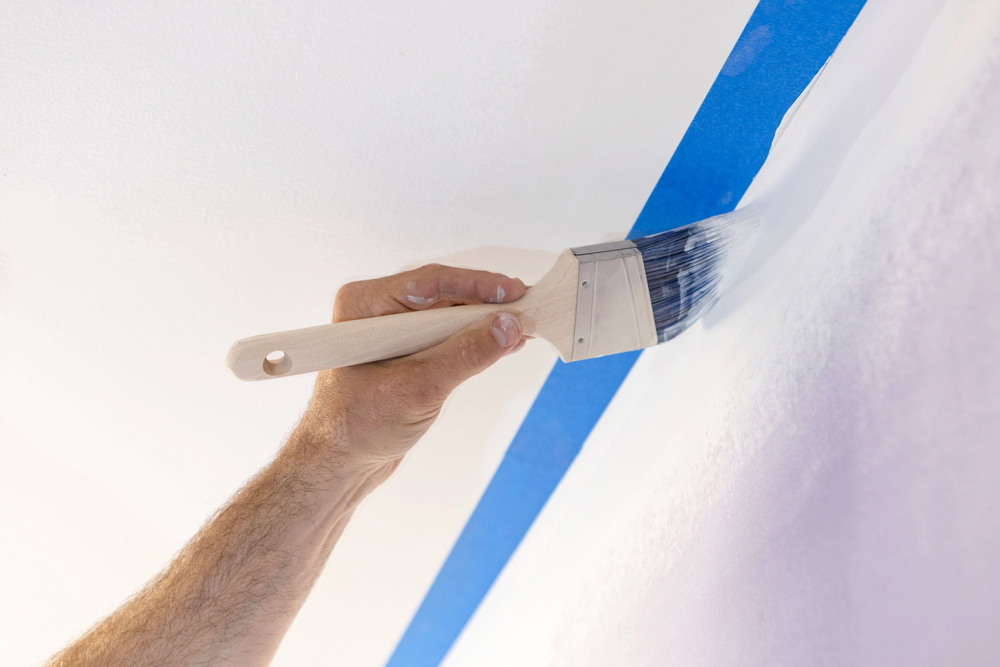
The benefit to using PPIO is that you can achieve similar results in less time. However, there are some things to know before you choose to go this route.
PPIO can work for some jobs, but different products will give you better results depending on the situation. For example, PPIO can work well on pre-painted surfaces without a drastic change in color or texture. However, this is possibly the only reason to choose it.
Why You Should Prime Separately
The goal of any primer is to prepare the surface for a coat of paint. This ensures good adhesion to the substrate and the topcoat. You may also need to block stains and odors, protect walls from mold or mildew growth, change the color, or refresh an old or damaged surface. Be mindful of the nature of your job before deciding to forgo primer as a first step, as it is often explicitly formulated to alleviate many of these surface problems, whereas an all-in-one product is typically not.
When to Choose a Primer
Suppose a surface has never been painted, as with drywall, a traditional primer is a must. If painting a glossy surface with less glossy paint, priming beforehand will ensure adhesion, and your results remain uniform. Priming separately is essential if painting over oil-based paint with acrylic or latex.
Other cases that require a primer before paint include:
• Any bare surface
• Porous surfaces
• Raw, unfinished wood
• Knotty wood
• Woods with tannins – like Cedar or Redwood
• Uncoated metal
• Unfinished drywall
• Masonry
• Stained surfaces
• Slick surfaces – like tile or laminate
Summary
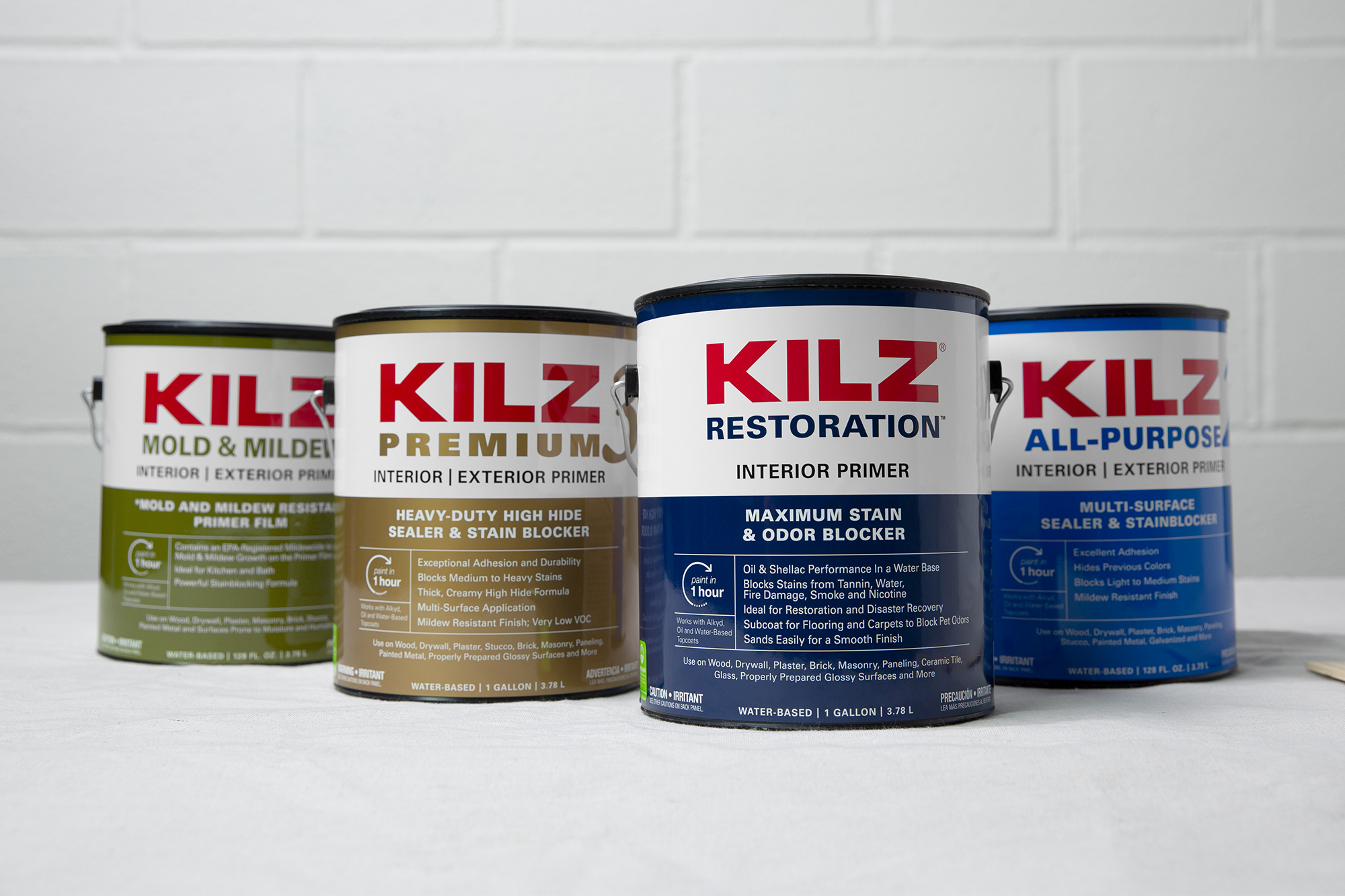
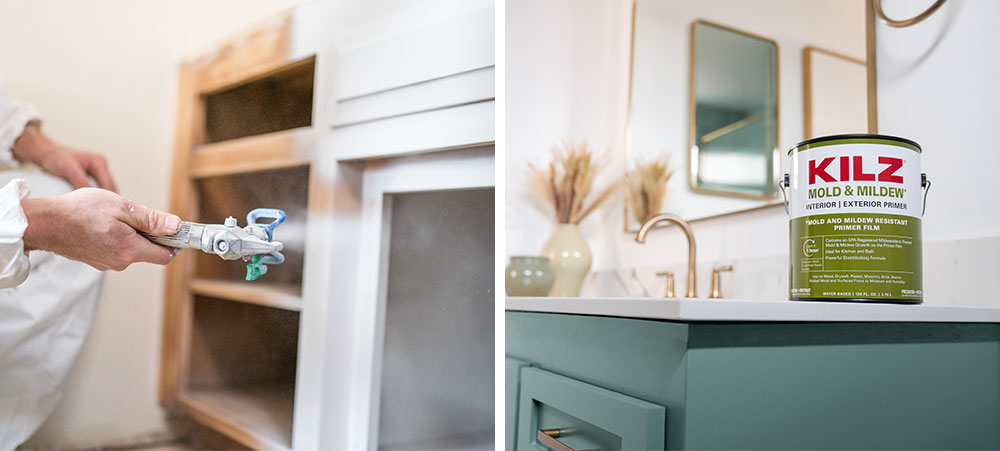
Whether you choose to go the all-in-one route or choose a separate primer and paint, choosing high-quality products suited for your surface’s condition is crucial. KILZ® primers are formulated for your specific surface issues, such as KILZ RESTORATION® to block tough stains like water damage or KILZ® MOLD & MILDEW to create a mold and mildew-resistant film for use in high-humidity rooms. KILZ 3® PREMIUM is designed to have a thicker formula to improve customer experience and hide. No matter the surface, you can be sure there’s a primer formulated for the job. When you consider how much time and money you invest in your project, choosing the best quality products from the start makes all the difference.
Come back for more tips, tricks, and inspiration, and as always, happy DIY-ing.
Refer to our website, kilz.com, or product back labels for additional information on which primer is right for your project and detailed instructions on applying our products. Check out our Coverage Calculator to understand your estimated paint needs for your upcoming project.
RELATED ARTICLES
get inspired:
FOLLOw us:
@kilzbrand
SHOP
PRODUCTS
THE CASTLE COLLECTION: DRAWING ROOM
June 1, 2023Today, we are back highlighting another Castle Collection color from the Magnolia Home by Joanna Gaines® paint line!
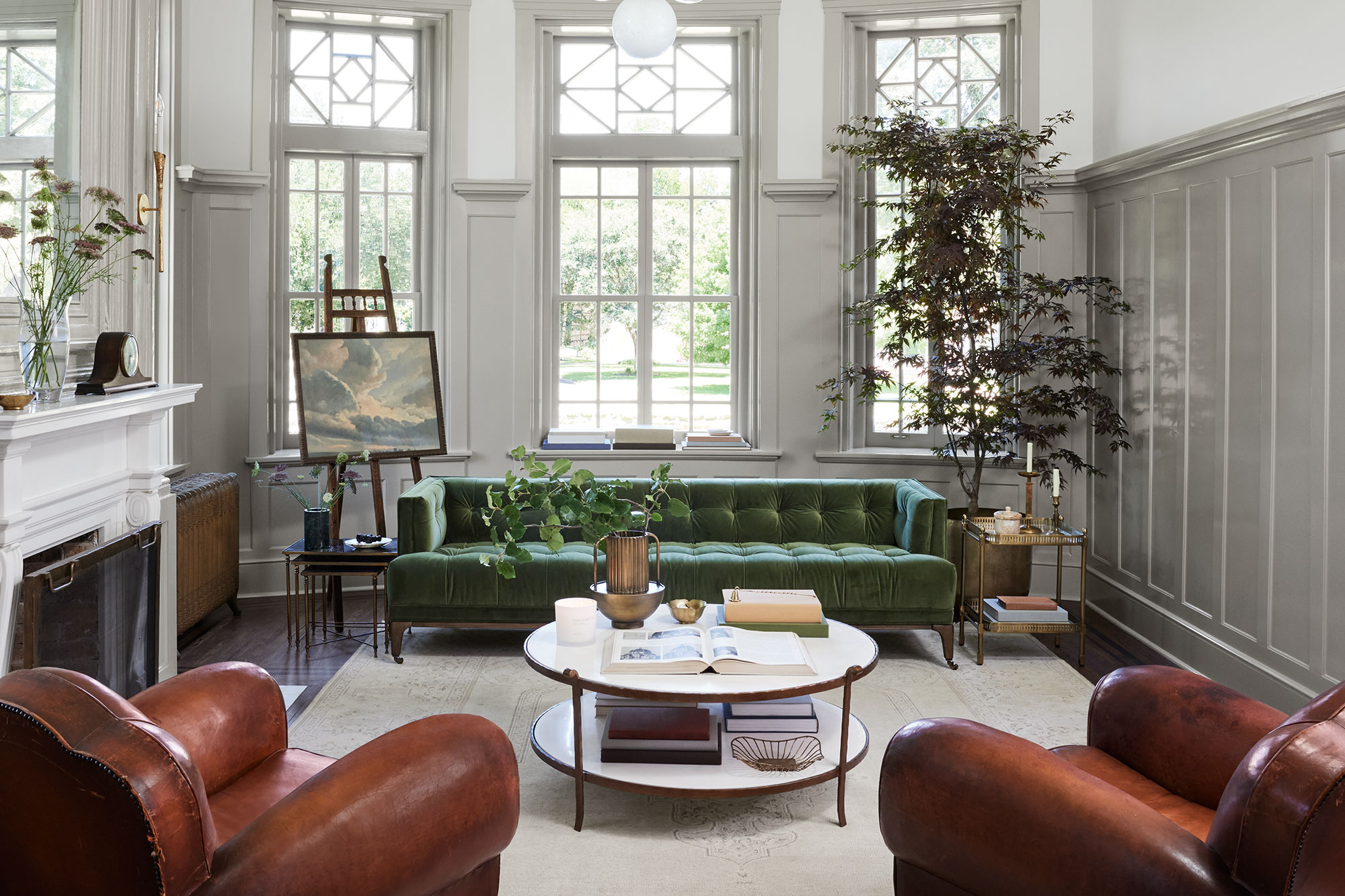
In this edition, we will be talking about the Drawing Room. The beauty of this room is its ability to create a balance between aesthetic appeal without losing comfort, it invites you to step into a world of modern times while preserving its charm.

The Magnolia Home by Joanna Gaines Castle Collection paint color, Drawing Room, by Magnolia Home by Joanna Gaines was inspired by the room’s elegance and timeless style. The color is a soft French gray, that refreshes and uplifts this room while keeping the sophistication from the Castle’s original era.
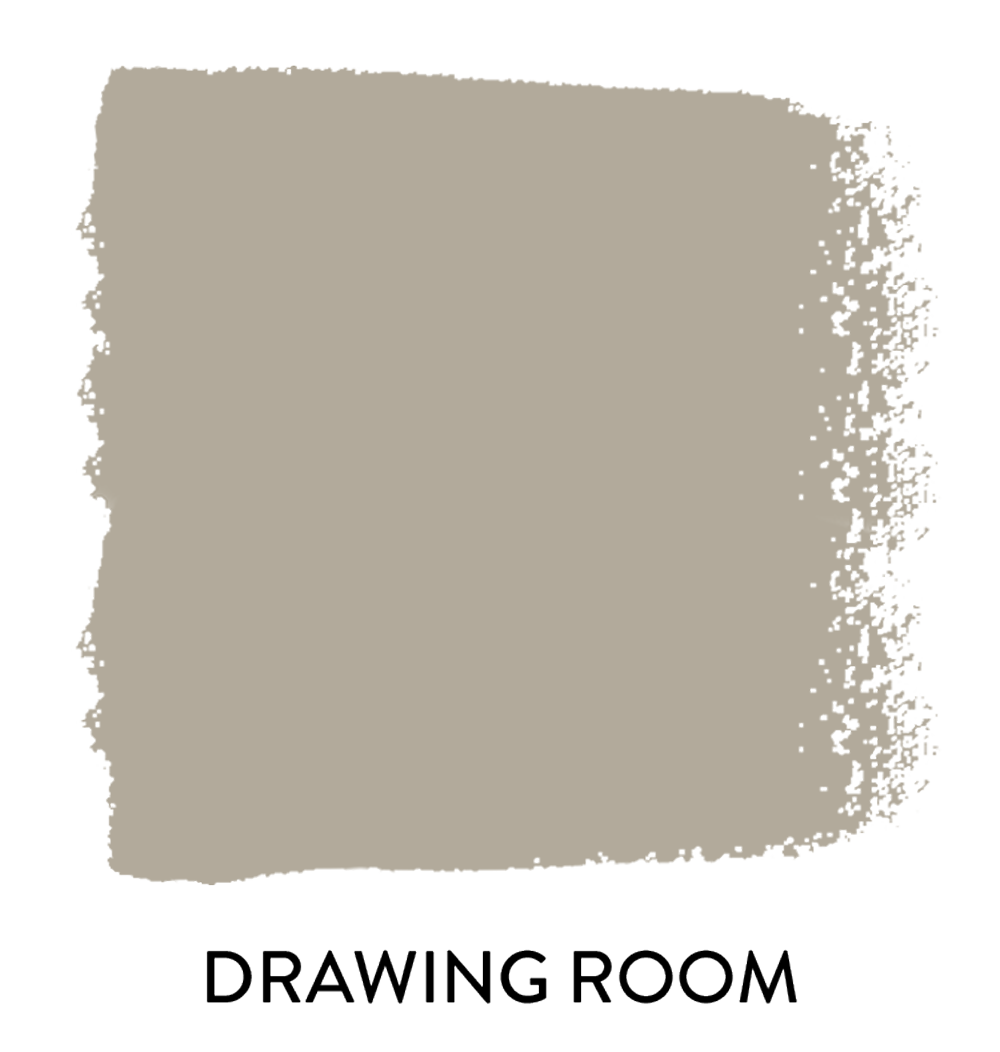
“Named after one of my favorite rooms in the castle, I love the subtle character and charm this gray shade brings to a space.” – Joanna Gaines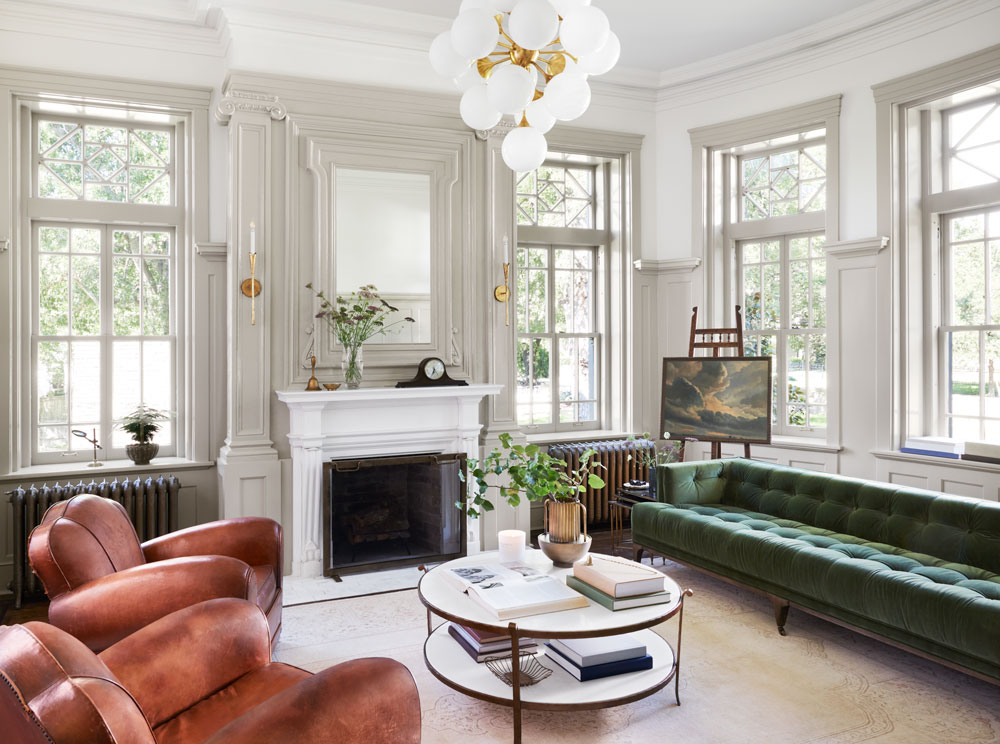
Using the Magnolia Home by Joanna Gaines interior paint to highlight certain features of the room like the window trim and wall molding gives the room contrast against its white walls. It makes the fireplace (one of the seven in the castle) a focal point, serving as a timeless centerpiece and adding to the calm and cozy feeling of this area.
This drawing room has embraced a modern design while preserving its traditional charm. Contemporary furniture like the coffee table and the green velvet couch coexists with antique pieces like leather chairs and some of the décor creating the perfect blend between old and new. With big windows brightening this space, the color Drawing Room brings character, charm, and coziness to this space.
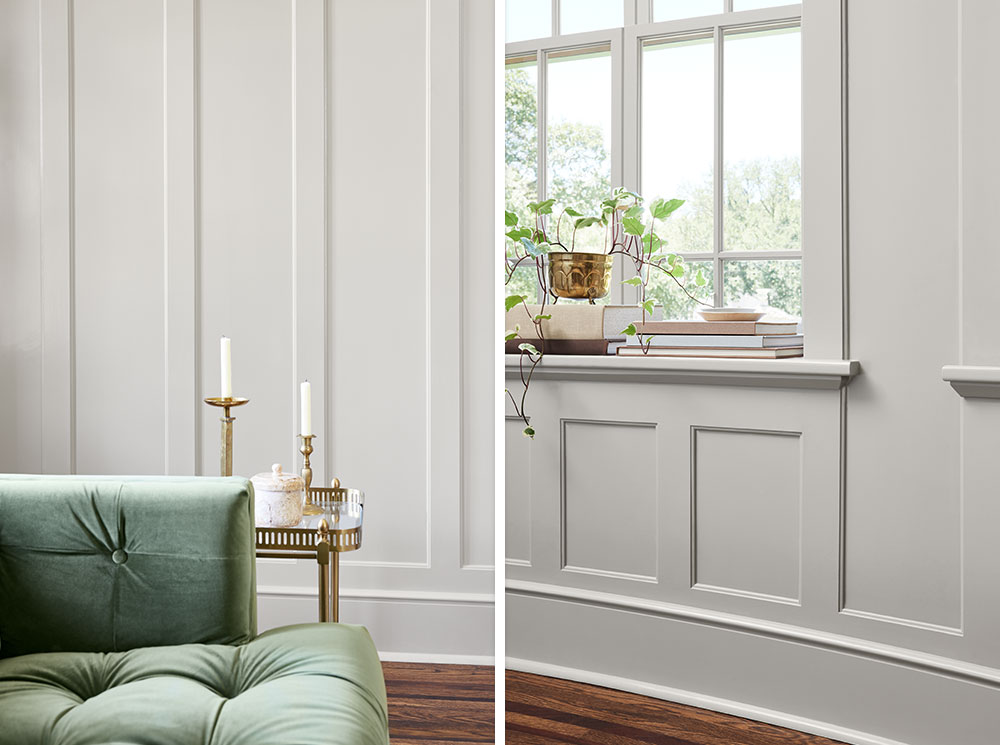
In case you missed it, the full Castle Collection color palette was created by Joanna Gaines for the Magnolia Home by Joanna Gaines paint line. Made of ten new colors, from moody accents and warm neutrals, this palette was inspired by the historic castle restoration project in Waco, Texas and it is featured in the Fixer Upper: The Castle season.
Check back here at the Perfect Finish to learn more about the rooms in the castle and their specific colors and descriptions. Read about the Butler’s Pantry here.
Encouraged to tackle a project using one of the Magnolia Home by Joanna Gaines paint colors? Check out the palette below that complements the Drawing Room and coordinates with its soft gray color.

Pond Stone

Bright Days

True White

Locally Sown

Dutch Tulip
“Where can I buy Magnolia Home by Joanna Gaines Paint?”
These paint colors are now available at Ace Hardware, Lowe’s, and Magnolia.com/shop.
Always remember to refer to our website kilz.com or product back labels for additional information on which primer is right for your project and detailed instructions on how to apply our products. Check out our Coverage Calculator to understand your estimated paint needs for your upcoming project.
RELATED ARTICLES
get inspired:
FOLLOw us:
@kilzbrand
SHOP
PRODUCTS

Pro Spotlight: Update Bathroom Cabinets with Britney Mroczkowski of Build It Brit, Inc.
May 31, 2023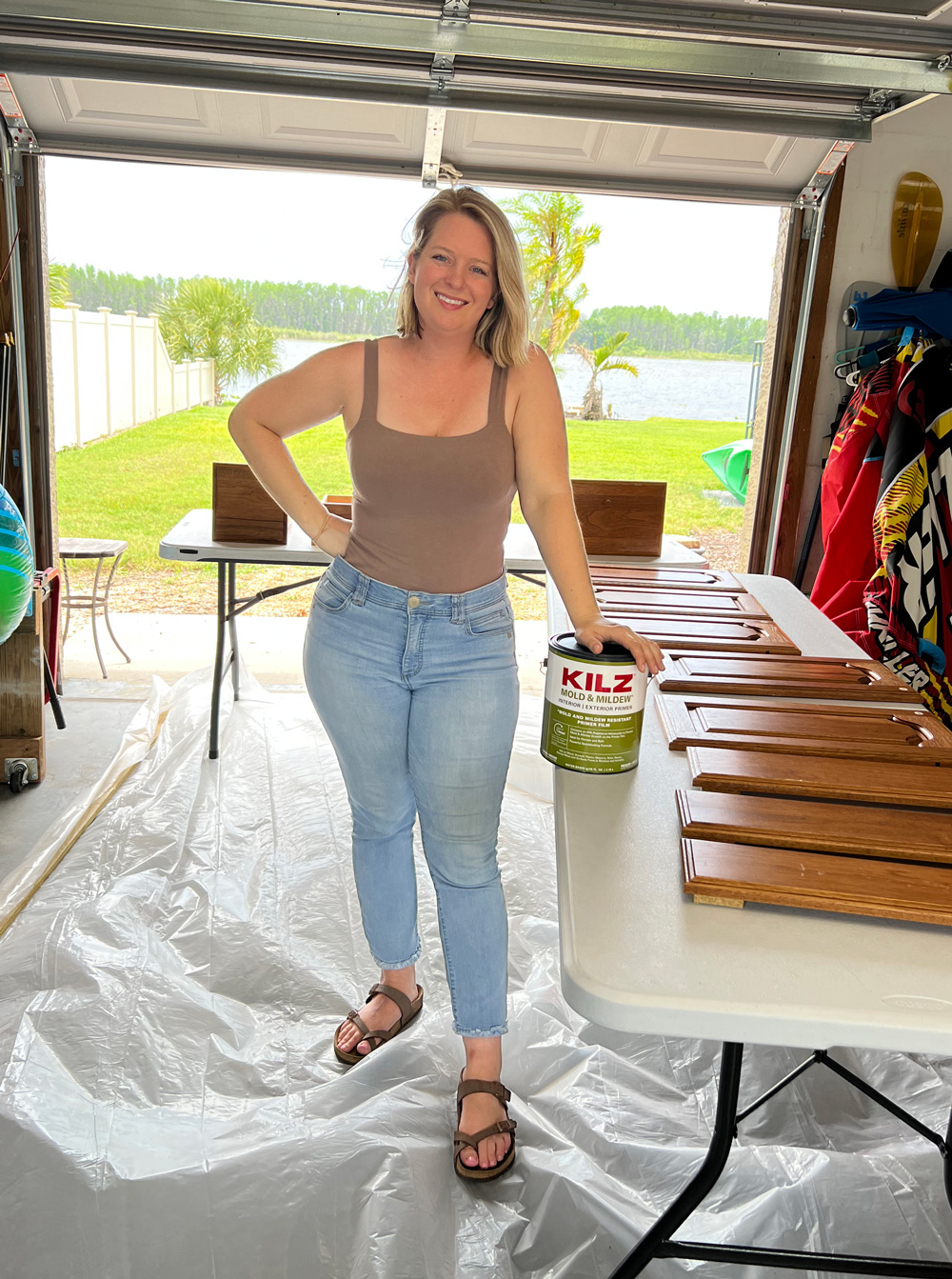 As a licensed general contractor and real estate investor, I know that priming is a fundamental step in completing any paint project. Without primer, paint may peel, crack or flake, resulting in a poor and unsatisfactory finish. And when it comes to achieving a flawless and Instagram-worthy finish, primer is absolutely essential. KILZ® Primers are a good choice as they offer consistent, dependable results.
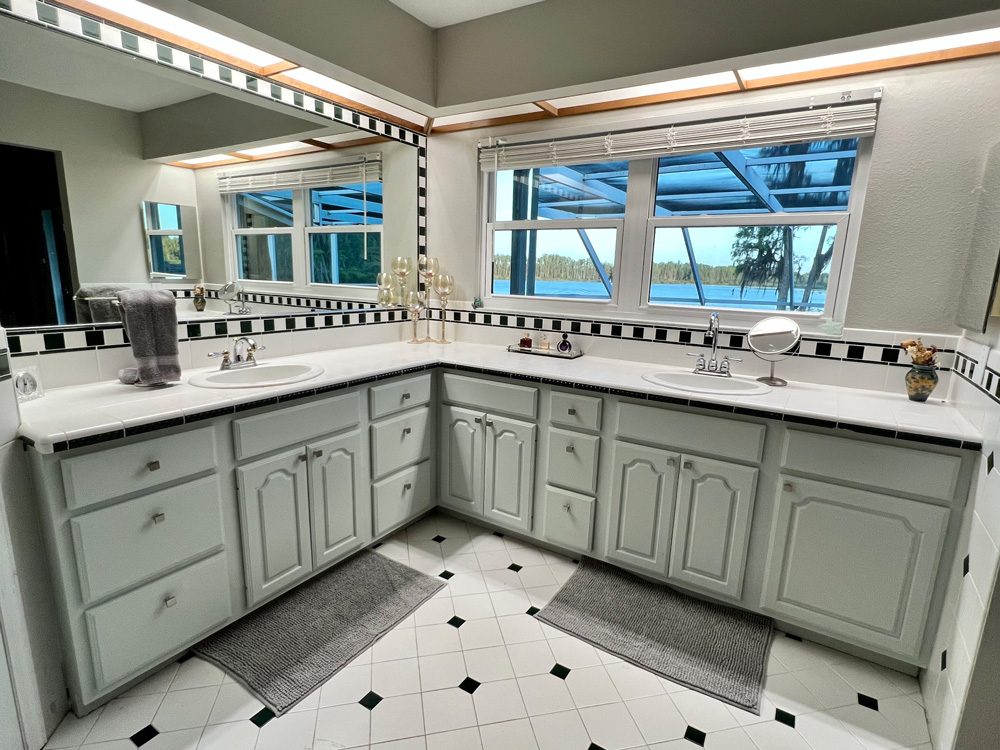
Recently, I decided to do a quick weekend project to update my mom’s ensuite bathroom cabinets. The bathroom has beautiful solid wood cabinets but are a little outdated with a medium-to-dark wood finish. The bathroom has also not been renovated in over 20 years and needed a modern refresh. Painting the cabinets was the perfect solution to updating the space quickly while also making the room brighter.
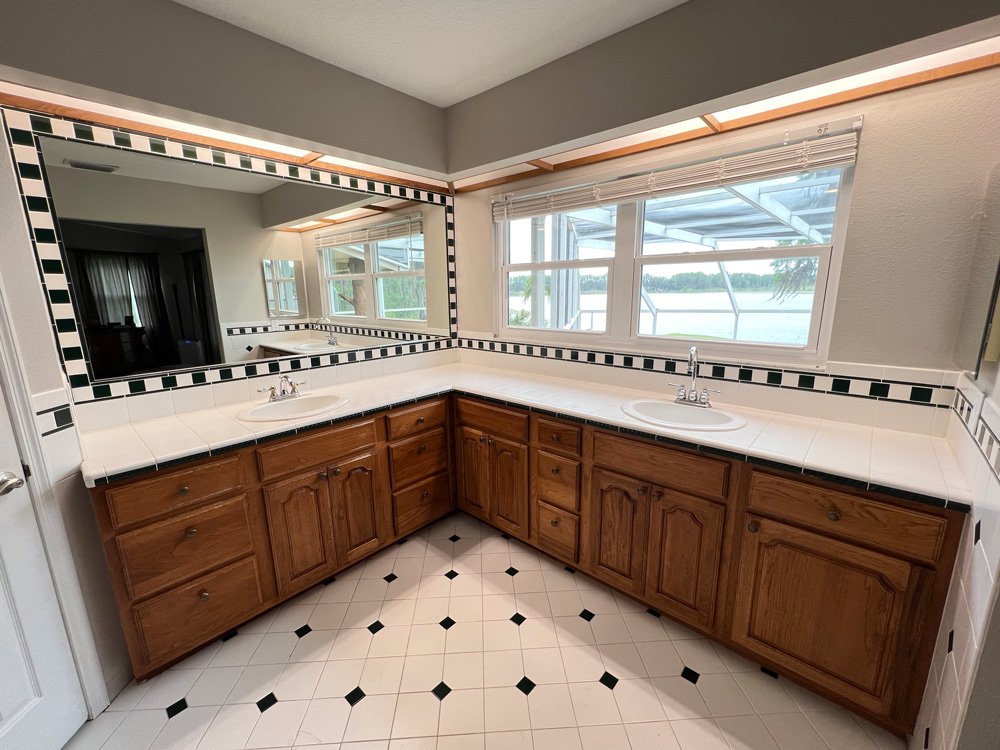
Her primary suite is located on the second floor of the home overlooking a beautiful lake just outside Tampa, Florida. She has been in this home for over 35 years and raised our family here, so it was nice to be able to give back to our family home. To minimize the mess, I removed the cabinet drawers and doors and took them downstairs to the garage where I set up a workstation.
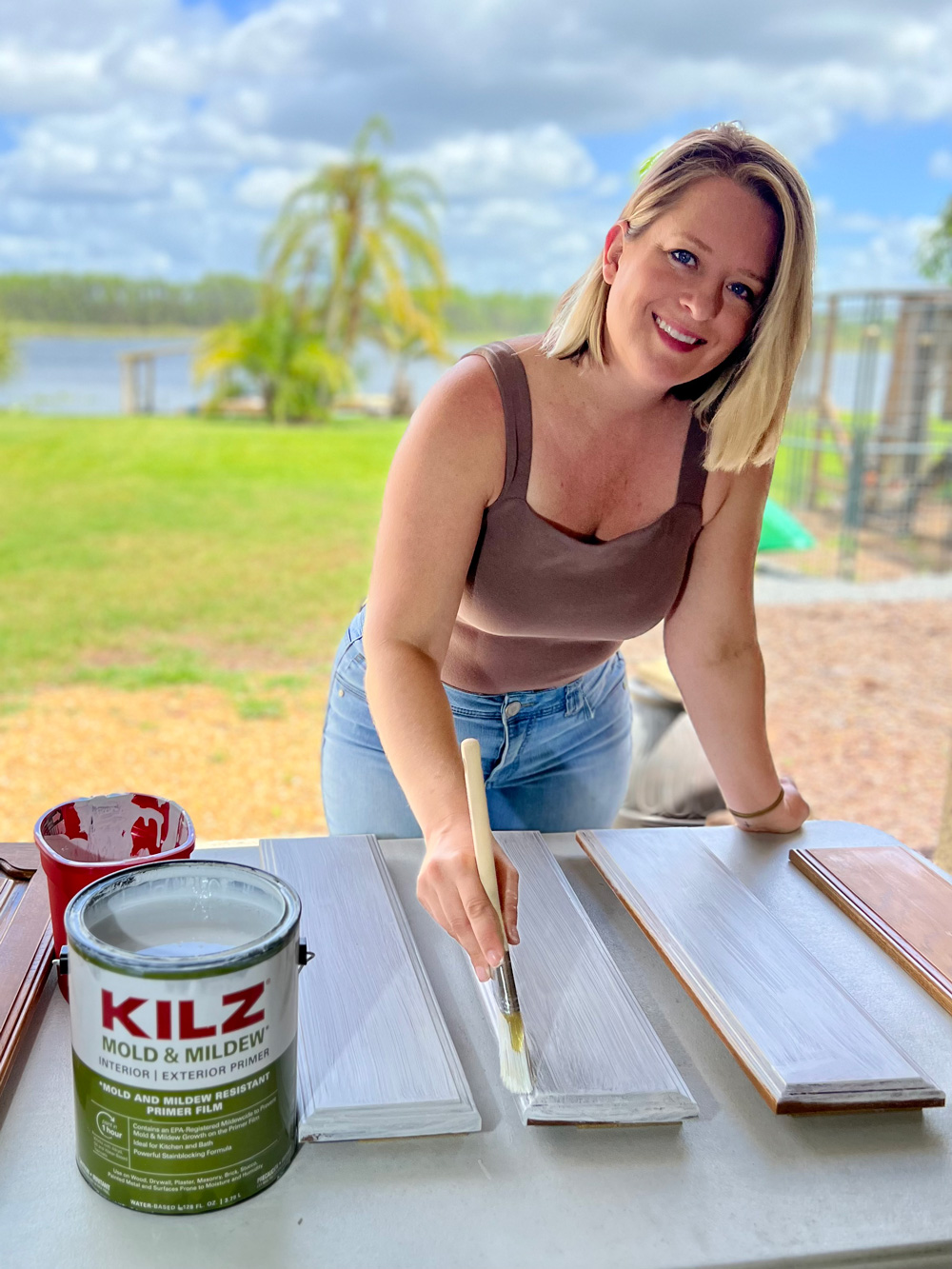 In the garage, I used a few drop cloths to make sure everything stayed clean and pristine. I set up two tables to create an “assembly line of painting,” where I would sand, prime, and paint. The cabinets were solid wood but had a lacquer finish that I wanted to make sure we could cover. To start the process and ensure a beautiful end result, I scuff sanded down all of the doors and drawers with 150-grit sandpaper and then did a final pass with 220-grit paper. Don’t forget to wear safety gear during this step, I made sure to wear a mask and eye protection.
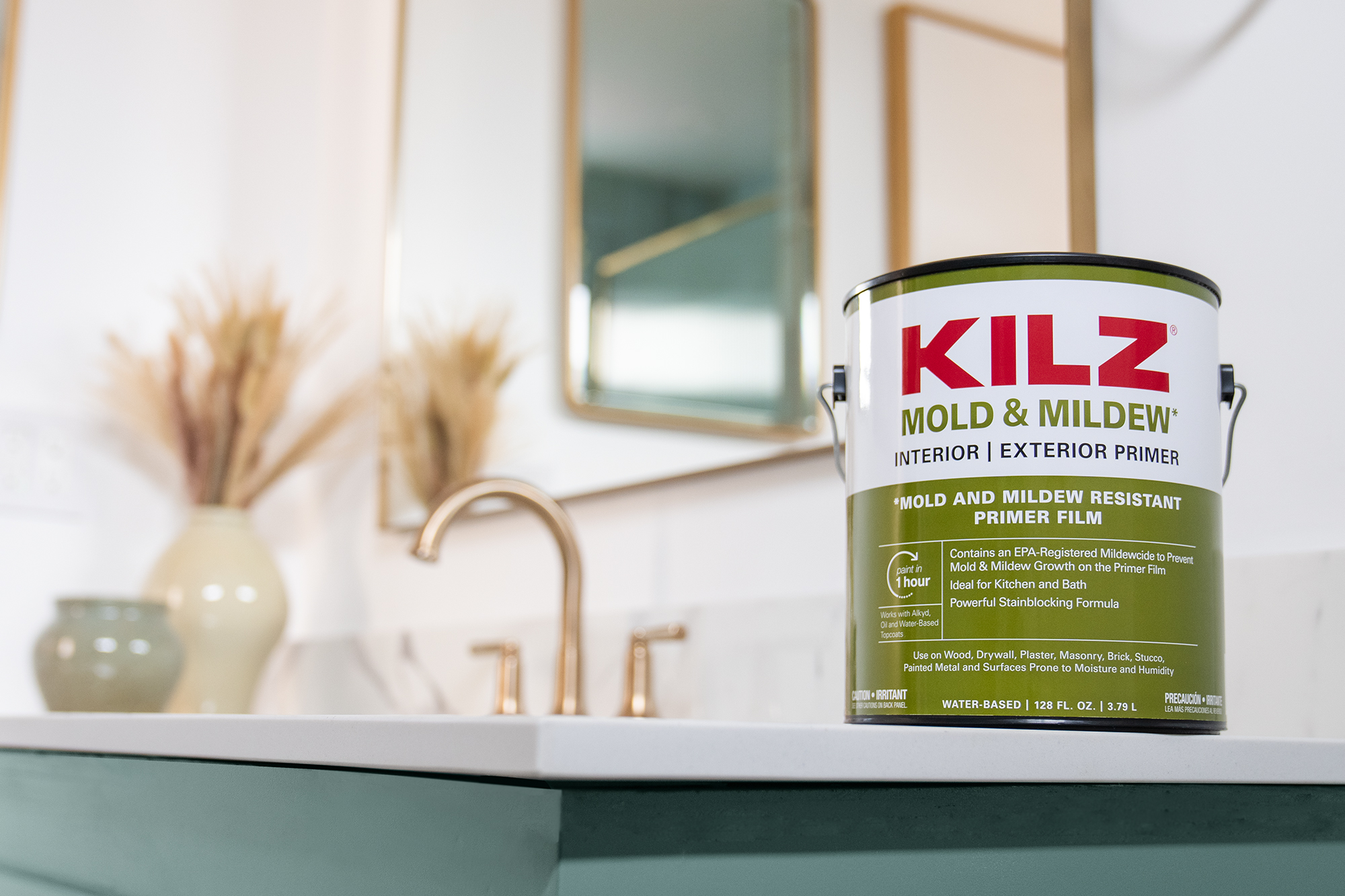
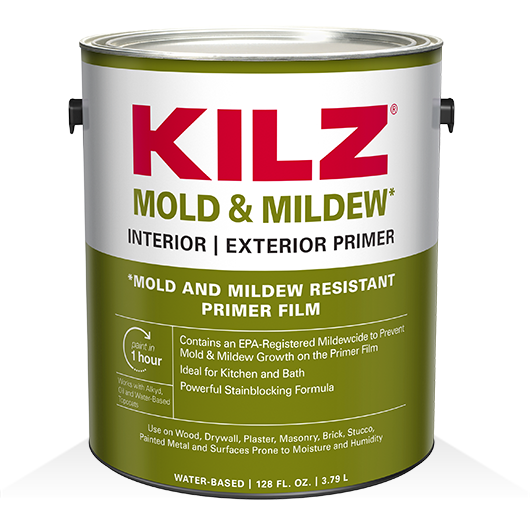
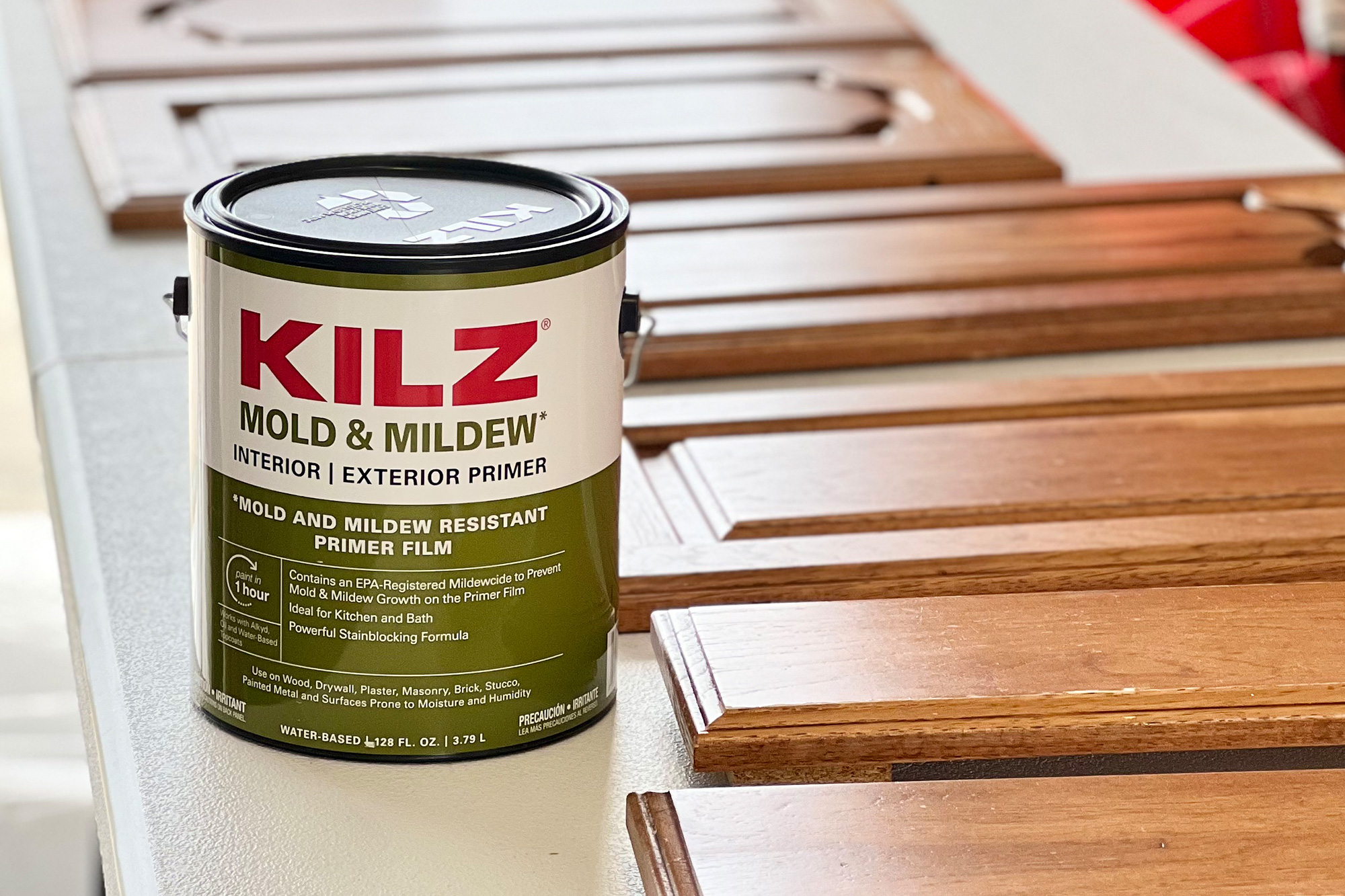
After sanding, I was ready to prime! The primer that we used for this project was KILZ® MOLD & MILDEW Primer. This primer is a water-based, primer-sealer-stain blocker that is specially designed for residential surfaces in high humidity, moisture, and temperature environments such as kitchens, bathrooms, powder rooms, and laundry rooms.
KILZ® MOLD & MILDEW Primer offers excellent adhesion to the surfaces of the bathroom cabinets, ensuring that the paint would stick and stay in place even with high moisture levels typical of bathrooms. Additionally, the EPA-registered active ingredient in this primer creates a mold and mildew-resistant film that protects the primer film from developing mold and mildew growth.
This was particularly important for this personal renovation project for my mom, as it would ensure that her bathroom cabinets would stay mold-resistant in the damp environment. The primer also helped us to achieve a smooth and flawless paint finish.
I applied one coat of KILZ® MOLD & MILDEW Primer, allowing it to dry for 2 hours before moving on to the topcoat. We chose Magnolia Home by Joanna Gaines® Cabinet and Trim Paint which I was excited to use for the first time. My mom looked at the color options online and choose the color “Emmie’s Room” which is a very light shade of green.
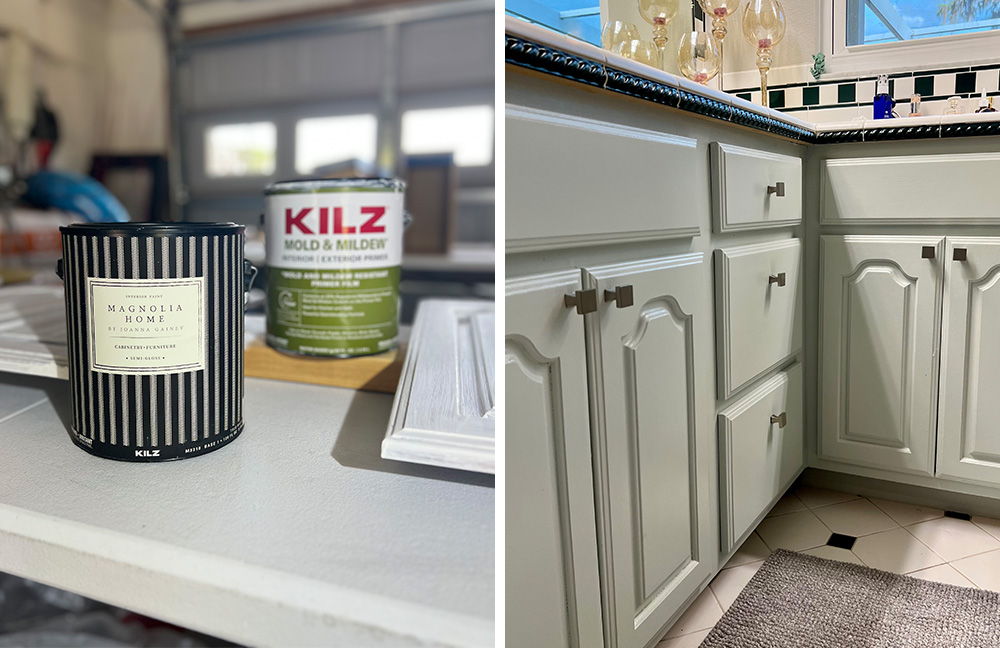
This very light green color complemented the existing white and green tiles in the bathroom perfectly, creating a cohesive and modern look. We applied two coats of the topcoat, allowing each coat to dry completely before applying the next. The final result was stunning and transformed the old and dated bathroom cabinets into a fresh modern look and personally, I think it made the room look much larger.
Not only did this bathroom cabinet refresh make the room look brighter and more modernized, but it also saved my mom a significant amount of money compared to a complete bathroom renovation. When I finally let her come in to see the final results, she couldn’t believe it was the same cabinets. She told me they looked brand new and straight out of a home renovation TV show.
In conclusion, priming is a crucial step in any paint project, no matter how big or small. Not only does it set the foundation for a long-lasting and beautiful finish, but it also ensures that the paint adheres properly to the surface. KILZ® MOLD & MILDEW Primer is an excellent choice for bathrooms and kitchens.
Overall, this project was a personal one for me, as it was a renovation for my mom, who has been my biggest supporter throughout my career. Recently, we started renovating a few investment houses together so it was an honor for her to ask me to work in our family home as well. With KILZ® MOLD & MILDEW Primer and the right workspace, we were able to achieve a beautiful and modernized look for her bathroom cabinets.
To learn more about primer solutions, visit kilz.com.
Always remember to refer to our website kilz.com or product back labels for additional information on which primer is right for your project and detailed instructions on how to apply our products. Check out our Coverage Calculator to understand your estimated paint needs for your upcoming project.
RELATED ARTICLES
get inspired:
FOLLOw us:
@kilzbrand
SHOP
PRODUCTS
The Right Applicator Can Make a Big Difference
April 27, 2023
When doing a paint project, does the applicator (brush, roller, etc.) make a difference? Why?
The right applicator can make all the difference! I often spend extra time with customers explaining how a quality applicator can save time and frustration during a project. Quality usually comes at a higher price than a cheaper alternative, but the results are worth it. One of my favorite comments to hear from customers is, “I’m glad I ran into you today.”
Besides selecting a quality applicator, the construction of the applicator should be compatible with the chemistry of the coating being applied. Some brushes are built for water-based products, some are designed to work with oil-based products, and some are designed to work with both. Most rollers are compatible with oil- and water-based products. This information is usually listed on the packaging, so make sure to check for it when selecting an applicator. Regardless of how you choose to apply the coating, the quality of the applicator makes a big difference.
How do you choose the right applicator? What should you look for?
I look for quality applicators that will deliver the best results for the project. The best applicator for the project should have characteristics that match the features of the coating you are applying and the surface conditions. When painting with a higher sheen, like satin or semi-gloss, on doors, trim, or crown molding, customers want the smoothest finish with the fewest brush marks. For this project, use a high-quality brush with nylon bristles. Nylon bristles are soft and compatible with all paints, so they leave a very smooth finish.
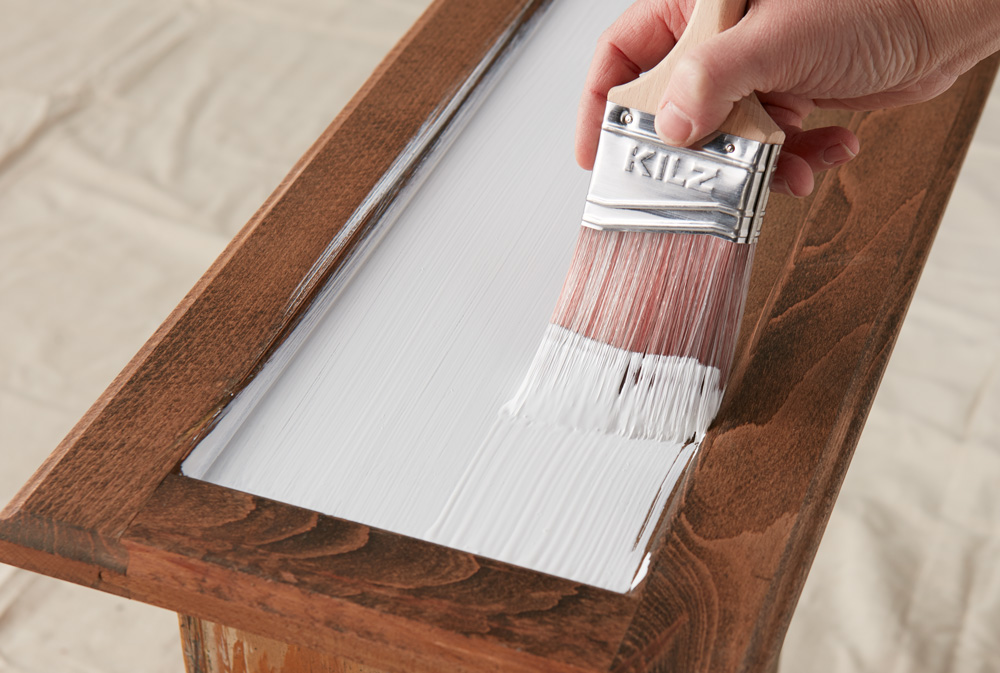
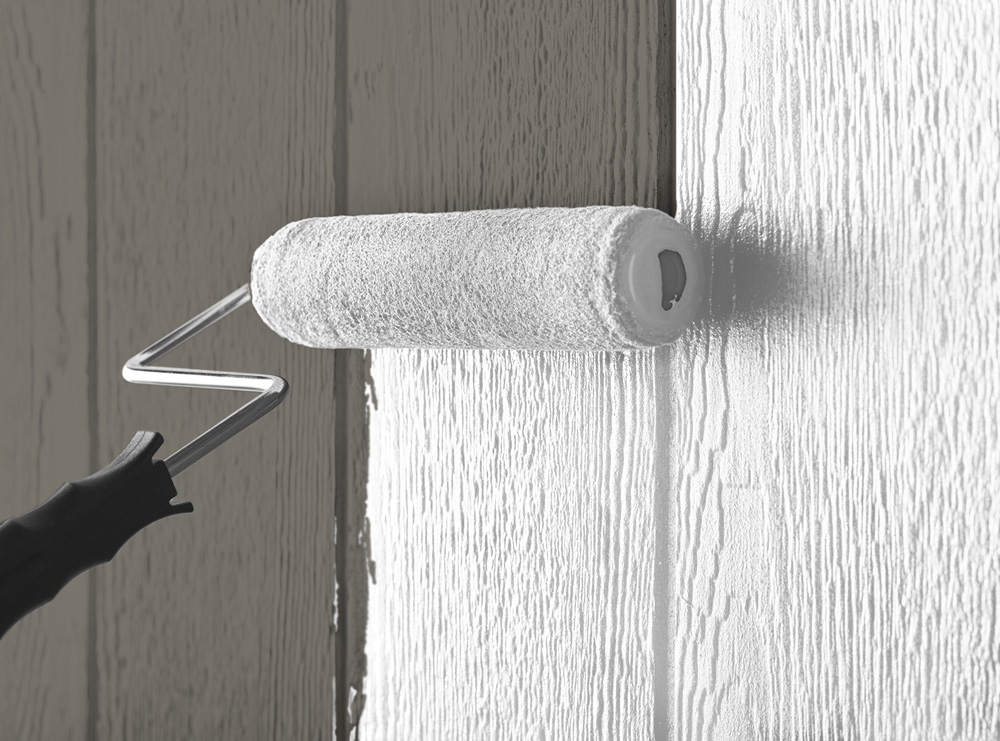
Consumers should look for brushes that are packaged in reusable storage sleeves which usually means better construction and longer life. Rollers should be chosen based on the roughness of the surface: larger nap rollers for rougher surfaces, and shorter nap rollers for smoother surfaces. You can reference the paint can’s label and the technical data sheets (TDS) for application recommendations (see example below).
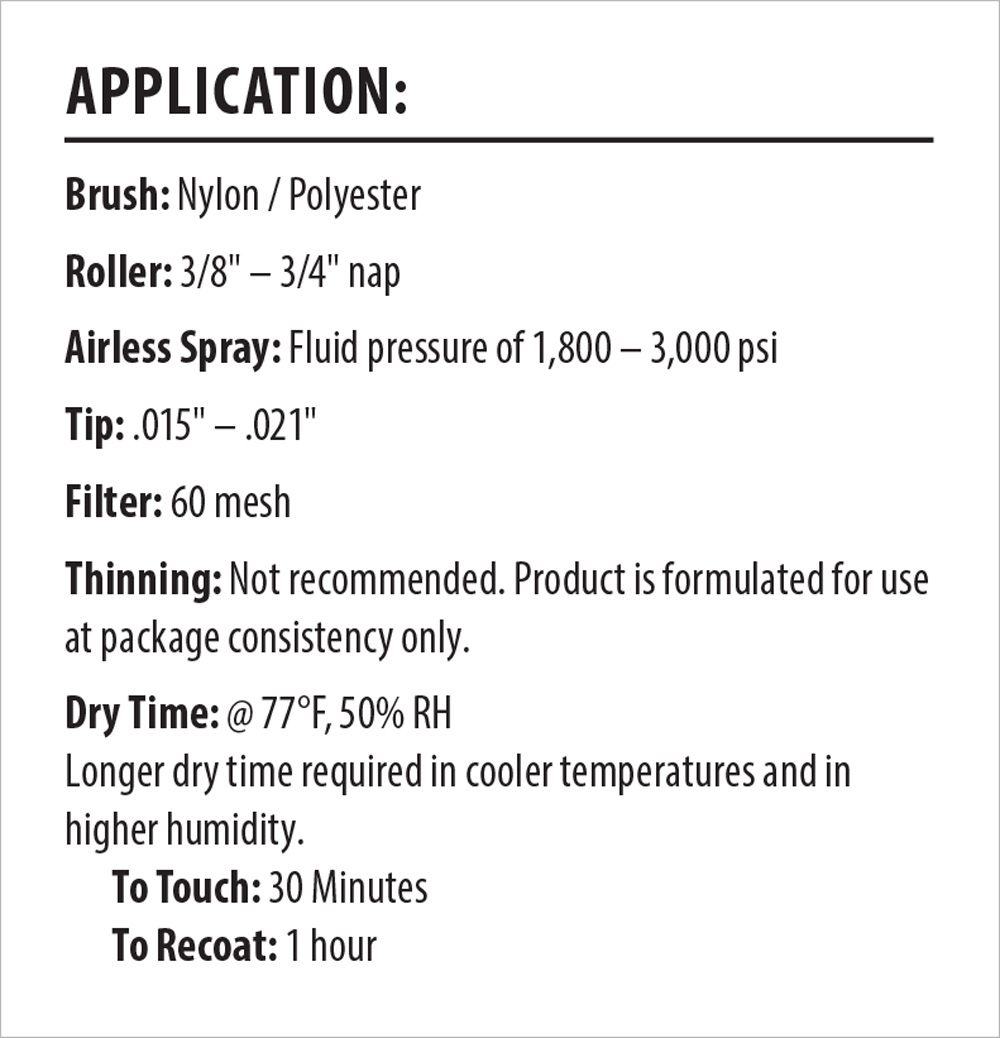
When should you use a brush vs. a roller vs. sprayer? Are sprayers only for professionals?
The choice between a paint brush, roller, or sprayer depends on the type of surface you are painting, the type of paint you are using, and the results you want to achieve.
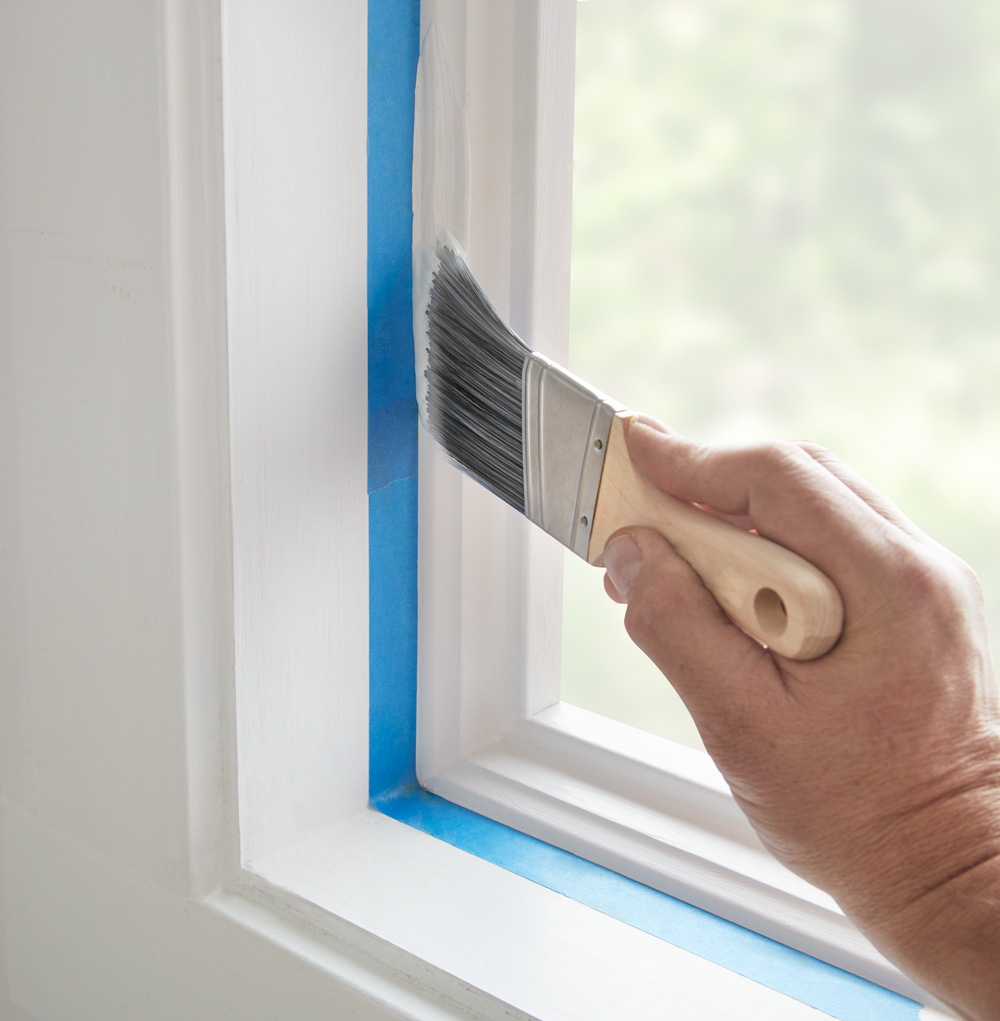
A paint brush is ideal for smaller surfaces such as trim or molding, painting into corners between walls, and where a high degree of precision is required. Brushes offer the most control and the least product drips and spatters (paint thrown off during application). They are also the best choice for thin products like stain or polyurethane. They are very useful on uneven or textured surfaces by allowing you to work the coating into any grooves. Angled brushes are great for painting straight lines and cutting in around trim or door casings. Flat brushes are suitable for filling in large areas like clapboard siding.
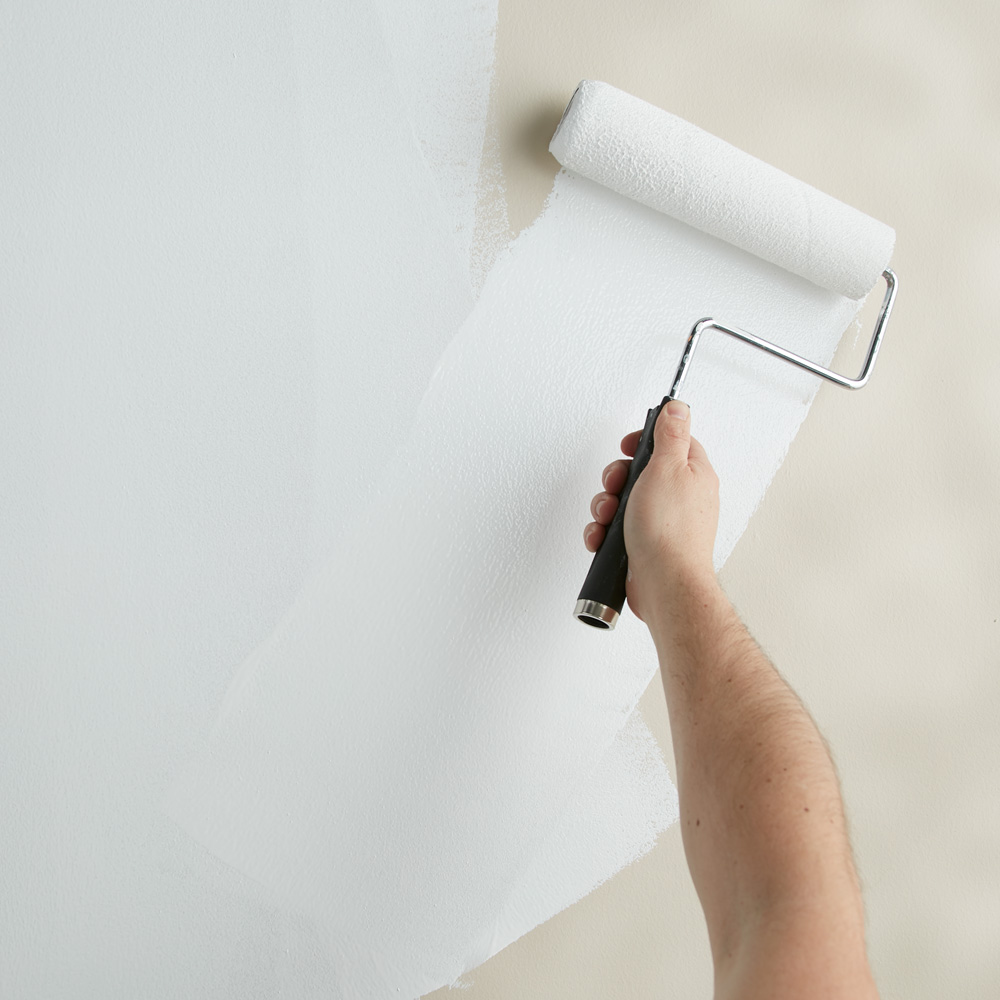
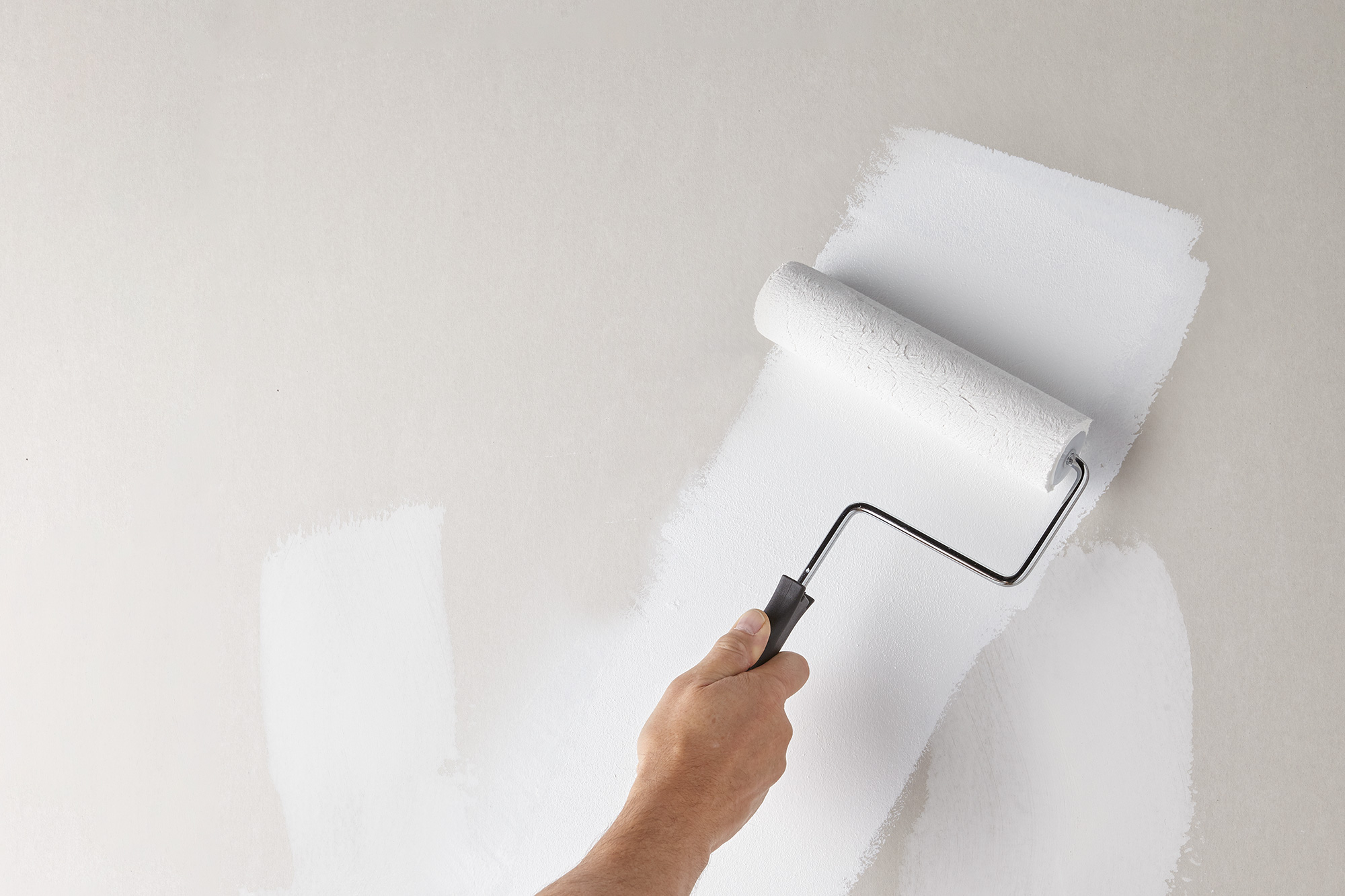
Rollers are great for large, flat, and unbroken surfaces with uniform texture, like ceilings and walls. They are very versatile and can be used to apply wall paints and even heavy-bodied coatings like textured paints. It is important to pick the proper nap length, depending on the coating recommendations and the texture of the surface. Rollers can cause spattering so care should be taken to minimize this to avoid a mess. The choice of high-quality paint, comparable roller cover, and proper pacing usually help mitigate spatter.
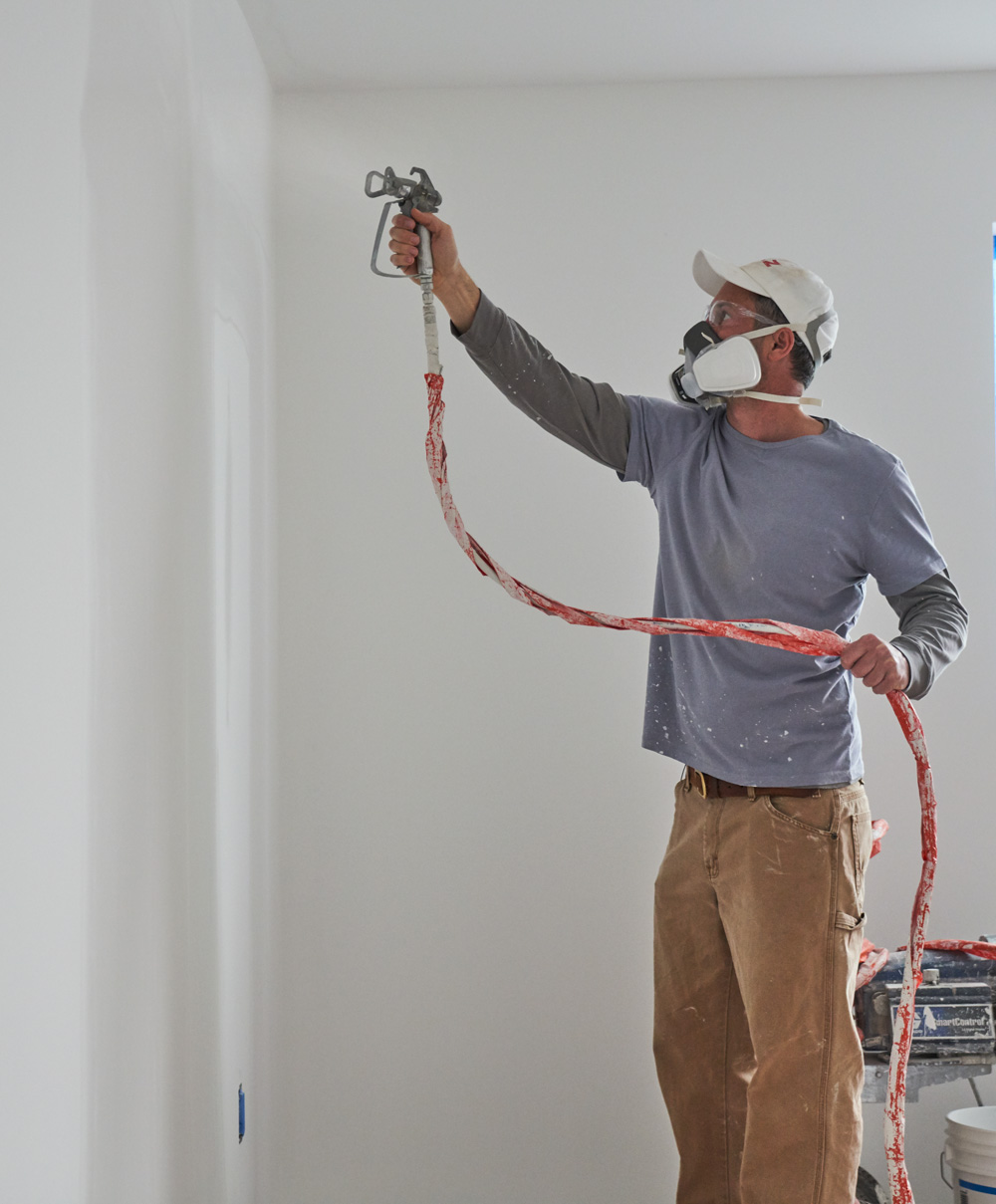
Airless paint sprayers offer the best potential finish but require the most preparation and user skill. These sprayers push paint at very high pressure so adjacent surfaces must be thoroughly masked and protected to avoid overspray. You don’t have to be a pro to use a sprayer, but you must take great care to ensure the project is done safely. Anyone interested in using a paint sprayer should carefully follow the instructions from the manufacturer. Some sprayer companies have great how-to videos on their websites and on YouTube for tips and to ensure an excellent project result.
Any tips on how to correctly use a brush or roller?
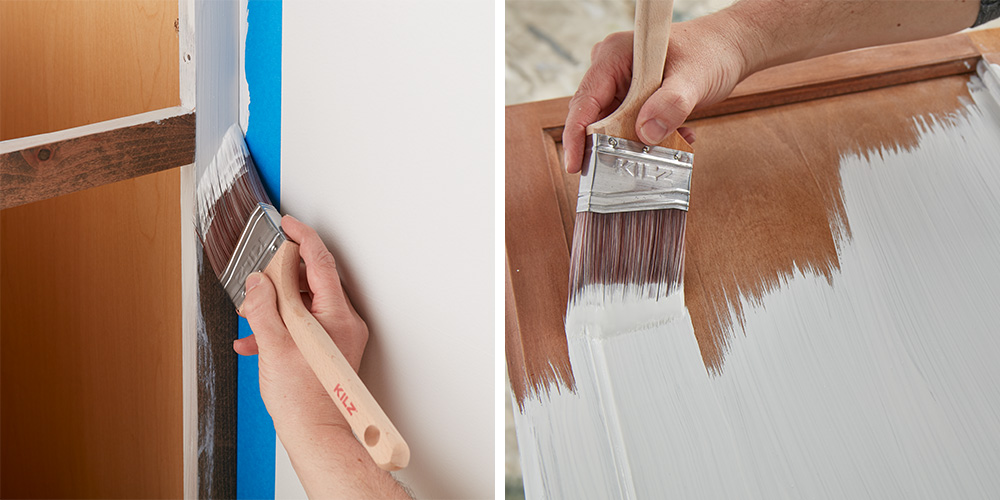
For Brushes: Hold the brush like a pencil when painting tight, precise areas. This will give you greater control and make it easier to keep straight lines. Place your fingertips on the ferrule (the area where the brush handle connects to the head) and the handle between your thumb and index finger. This will create balance and help with control. Hold the brush with the slightest pressure required to maintain control as this will help reduce fatigue. To fill in large expansive surfaces and smooth any sags before they dry, hold the brush sideways.
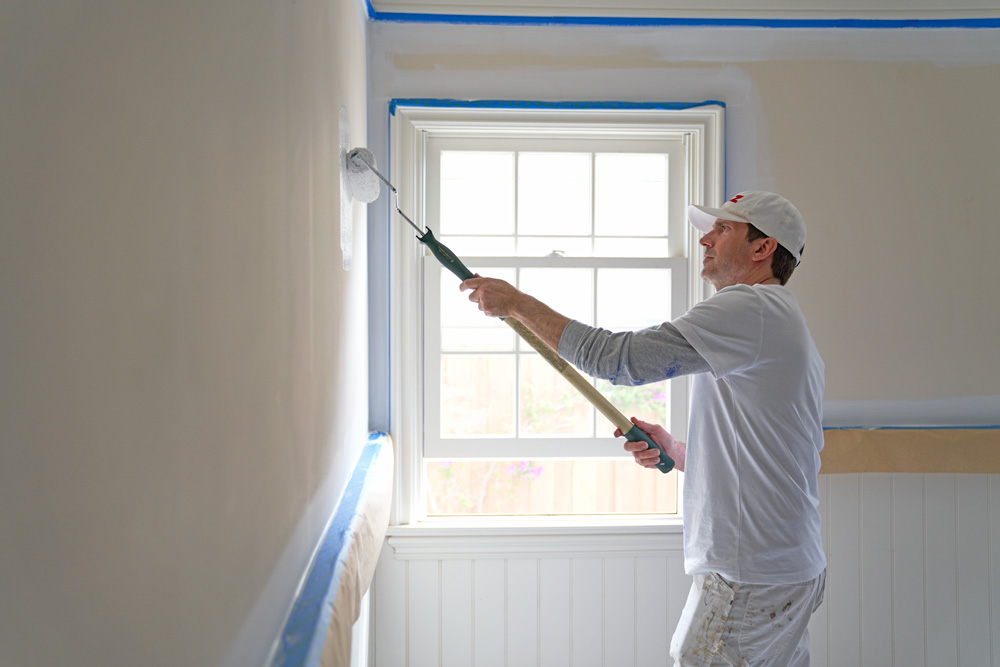
For Rollers: Use an extension pole whenever possible to offer leverage and save you from fatigue. Think of the principle of the lever: the longer the handle you can use in the space, the less effort you must exert on the end of the handle to control the roller. Even a short extension pole can make the job a lot easier. Most extension poles are adjustable to allow you to shorten or lengthen as needed.
Listen to the sound the roller makes while applying the product. A properly loaded roller makes application easier and more uniform. A roller that is too dry can lead to uneven coverage or sheen. When the roller cover becomes too dry it will make a sticky sound as it moves over the surface, like an alert to you to reload to ensure uniform performance. This leads to a second reason to use an extension pole; it makes it easier to spin the roller handle while moving from the paint source to the wall. Spinning the handle during this step helps minimize drips from the applicator.
Follow these tips and refer to label recommendations to ensure great project results.
Always remember to refer to our website kilz.com or product back labels for additional information on which primer is right for your project and detailed instructions on how to apply our products. Check out our Coverage Calculator to understand your estimated paint needs for your upcoming project.
RELATED ARTICLES
get inspired:
FOLLOw us:
@kilzbrand
SHOP
PRODUCTS
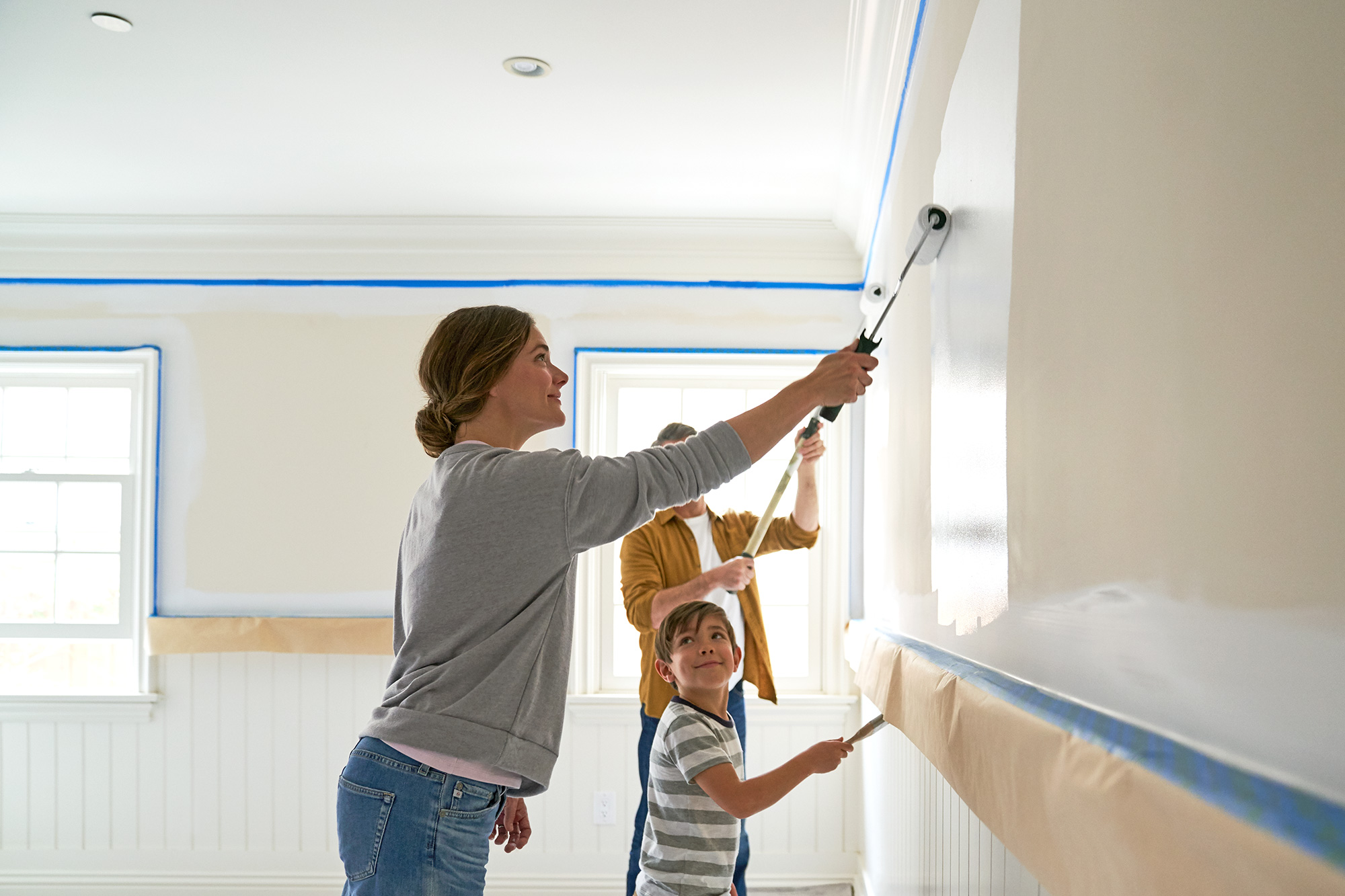
The Ultimate Painting Checklist for Any Project
April 26, 2023Preparation is key before starting any paint project in your home. You should know the products you’ll need and what steps to follow. Whether you’re looking to spruce up some old cabinets, repaint an entire room, or refresh an outdoor patio, knowing what to expect will help ensure things run smoothly from start to finish.
Plan Your Approach
There’s a lot to consider when painting different spaces. For indoor and outdoor paint jobs alike, you’ll need to think about the surface—wood, brick, drywall, etc.— its condition, and the function of the space. Are you painting a backyard deck or refreshing kitchen cabinets? Are you changing the color of your bedroom or restoring a water-stained ceiling?
The chosen primer directly influences the success of your project. This crucial step will save you time and money in the long run and make your final color the best it can be.
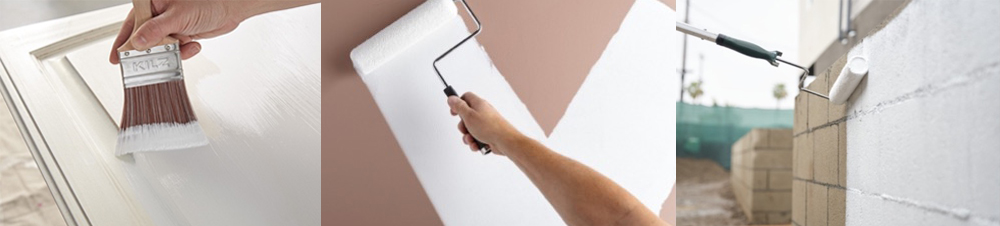
Choose Your Color
With so many available options, it’s a good idea to test a few different color samples in various lighting conditions before making a final decision. If you’re keeping existing furniture or art in a room, consider how they work with your chosen shade beforehand.
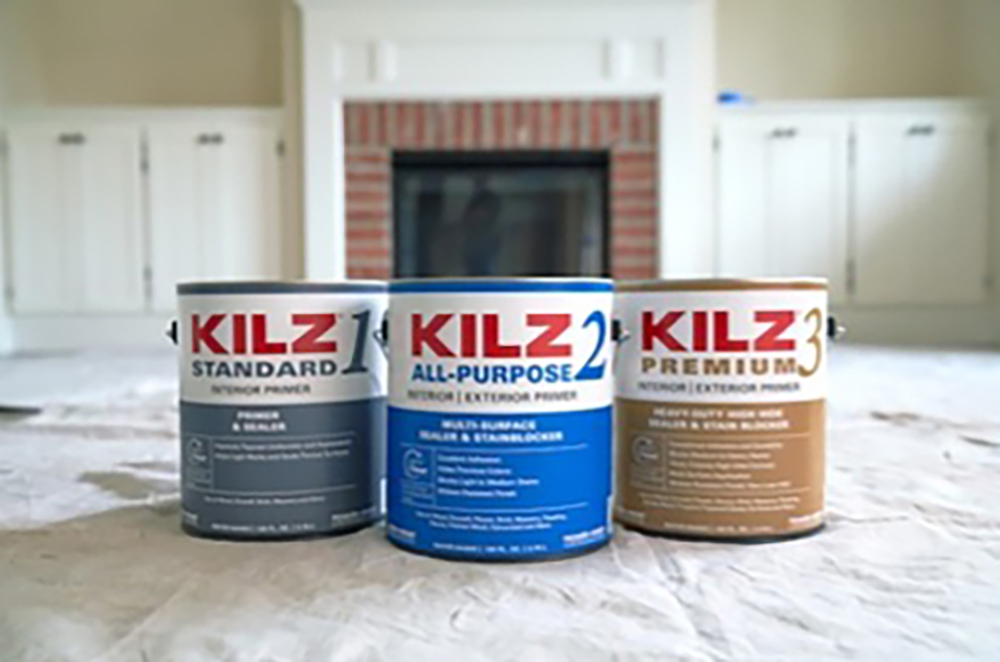 Choose the Right Primer
For most projects, you can trust a multi-surface primer to prepare the surface for painting. More complex situations require a primer specially engineered for those cases—such as mold, stain, and odors.
Oil-based primers are often better at blocking or sealing stains, especially water-soluble stains. They’re also usually superior at blocking tannin bleed and unwanted odors.
• Choose to prime over a previous oil-based paint.
• Choose to prime on fresh, unsealed, or knotty wood.
• Choose if you need to cover severe stains or odors.
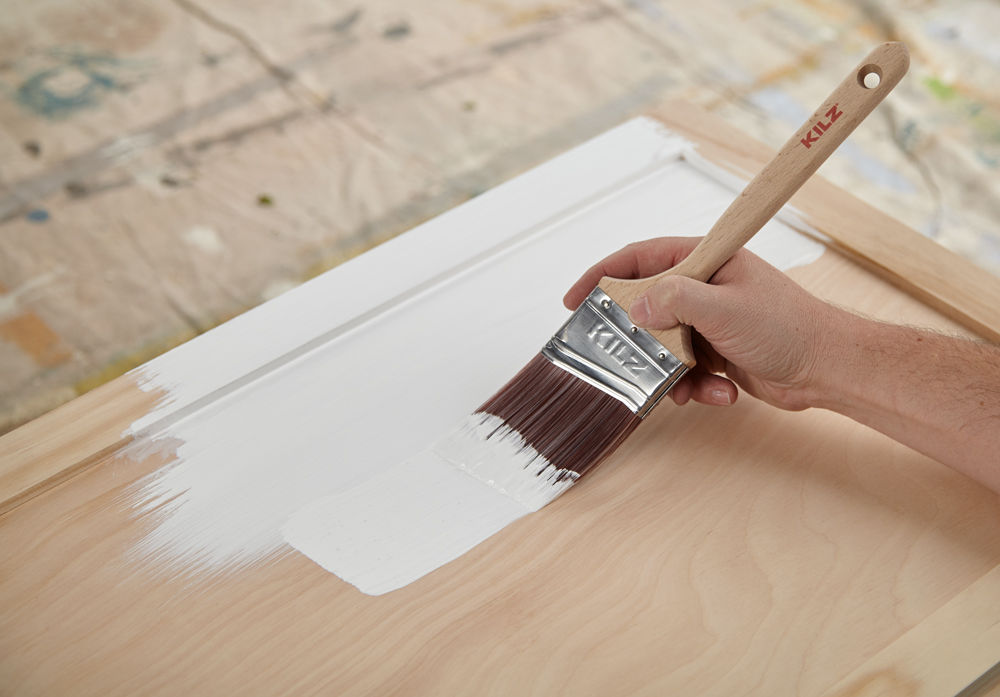
Water-based primers—or “latex” primers—are easier to clean (using soap and water), dry fast, and have low VOCs, making them healthier for you and the environment.
• Choose if priming indoors where ventilation is poor and in spaces sensitive to strong odors.
• Choose when projects require a lower VOC level product, if there is a flammability concern, and/or when there is a preference for clean-up without harsh chemicals.
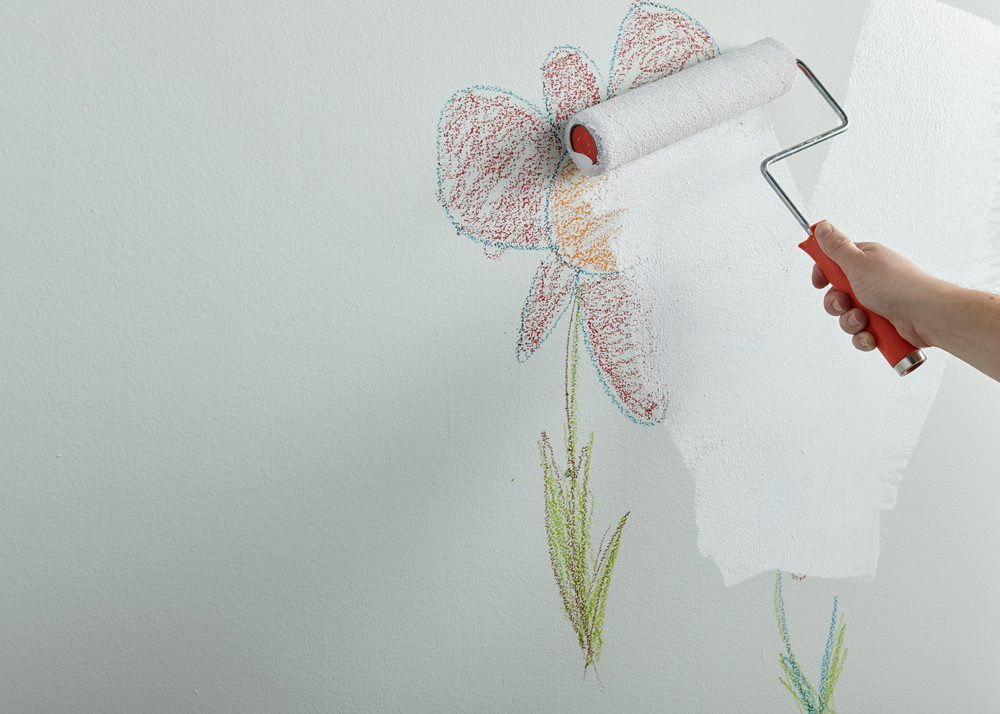
Our Pro Primer Recommendations:
• KILZ® Mold & Mildew Interior and Exterior Primer: Water-based primer. Ideal for use in high humidity, high moisture, and high-temperature environments.
• KILZ Restoration® Interior Primer: Water-based primer. Ideal for interior, multi-surface paint jobs that may require tough stain blocking and heavy odor coverage.
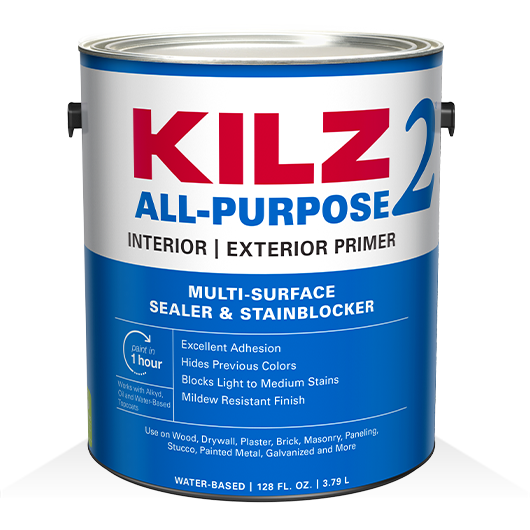
• KILZ 2® All-Purpose Interior and Exterior Primer: Water-based primer. Great overall interior/exterior primer. Ideal for changing wall colors.
• KILZ 3® Premium Interior and Exterior Primer: Water-based primer. Fast drying, great for adhesion and hiding surface imperfections. It provides a mildew-resistant coating, making it ideal for moisture-prone areas.
What Else Do I Need to Paint a Room? (Supply Checklist)
Depending on the nature of the job, these items can make your life easier.
• Paint roller + Tray – Rollers hold more paint than brushes and can distribute even layers of paint much faster.
• Paint sprayer – For a smooth, professional finish.
• Paint scraper – Removes unwanted layers of paint.
• Trim paint brush – For trimming around windows, molding, and door frames.
• Painter’s tape – A must for creating precise lines and neat edges.
• Sandpaper – For smoothing and prepping surfaces.
• Putty knife – Creates a smooth wall or ceiling surface.
• Drop cloth – Use to protect your furniture and floors.
• Stepladder – For reaching ceilings and the tops of walls.
• Extension pole – To extend your roller’s reach without a ladder.
• Paint guide (edge guard) – Neatly paint molding, trim, and windowpanes without painter’s tape.
Any painting project takes focus, but having the right plan, primer, and tools ahead of time will save you time and money and make you feel like a pro in no time. We hope this inspires your next project, no matter how big or small. Be sure to come back to the blog for more DIY tips, tricks, and ideas.
Always remember to refer to our website kilz.com or product back labels for additional information on which primer is right for your project and detailed instructions on how to apply our products. Check out our Coverage Calculator to understand your estimated paint needs for your upcoming project.
RELATED ARTICLES
get inspired:
FOLLOw us:
@kilzbrand
SHOP
PRODUCTS
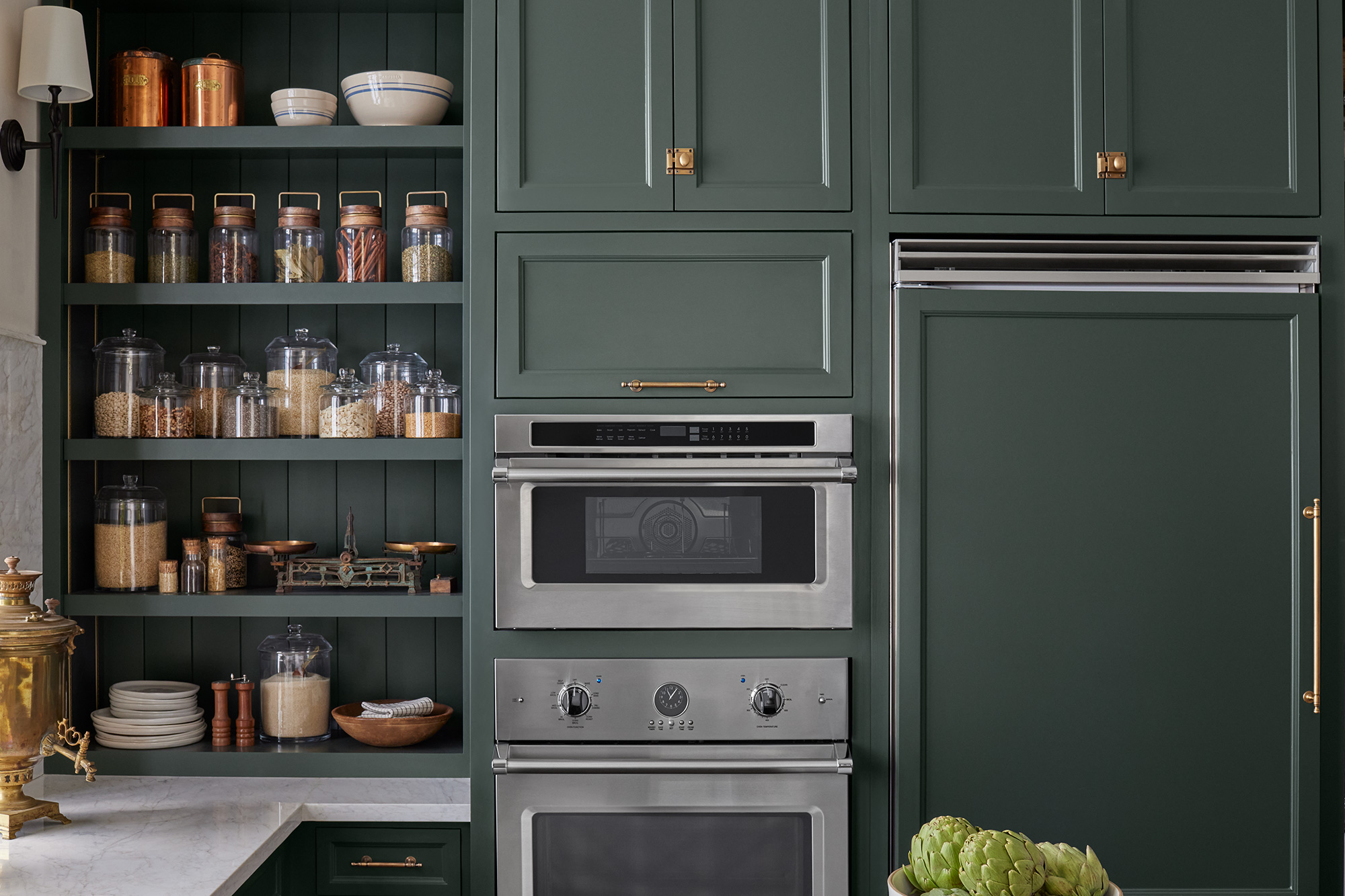
THE CASTLE COLLECTION: BUTLER’S PANTRY
April 26, 2023We’re back with more on the Castle Collection from Magnolia Home by Joanna Gaines®!
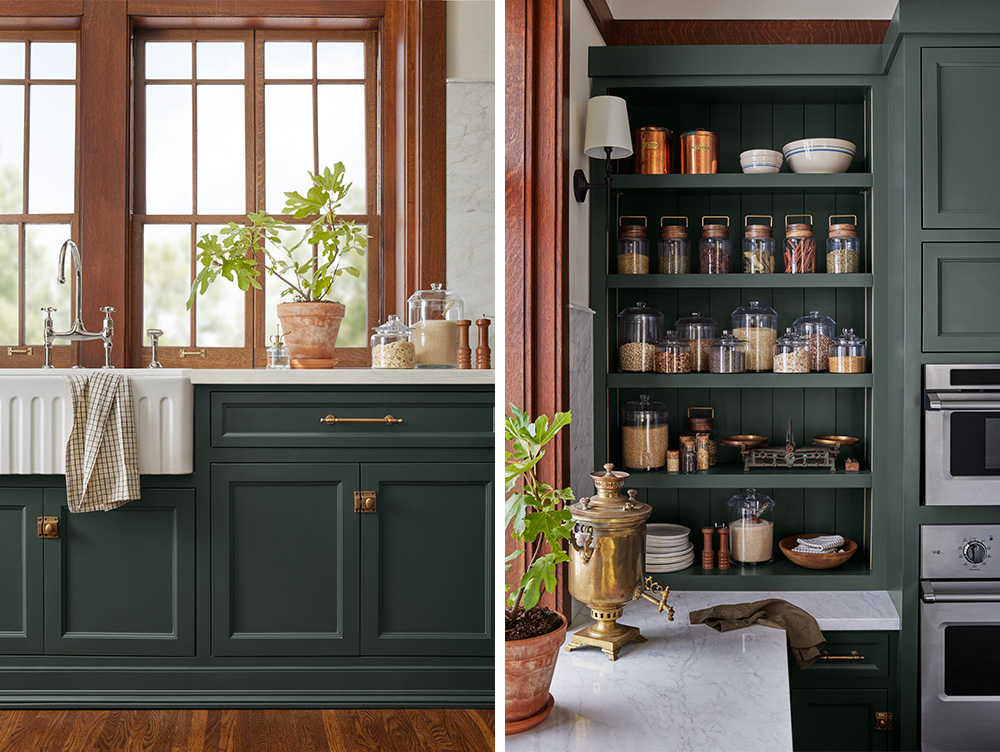
Today we are showcasing the Butler’s Pantry, one of the most beautifully designed pantries you will ever see. With floor to ceiling cabinets painted in another Castle Collection color, Cottage Grove, the Butler’s Pantry offers a warm and inviting setting to prepare a meal or bake something delicious. The right Magnolia Home by Joanna Gaines interior paint color can transform your space into a place you never want to leave.
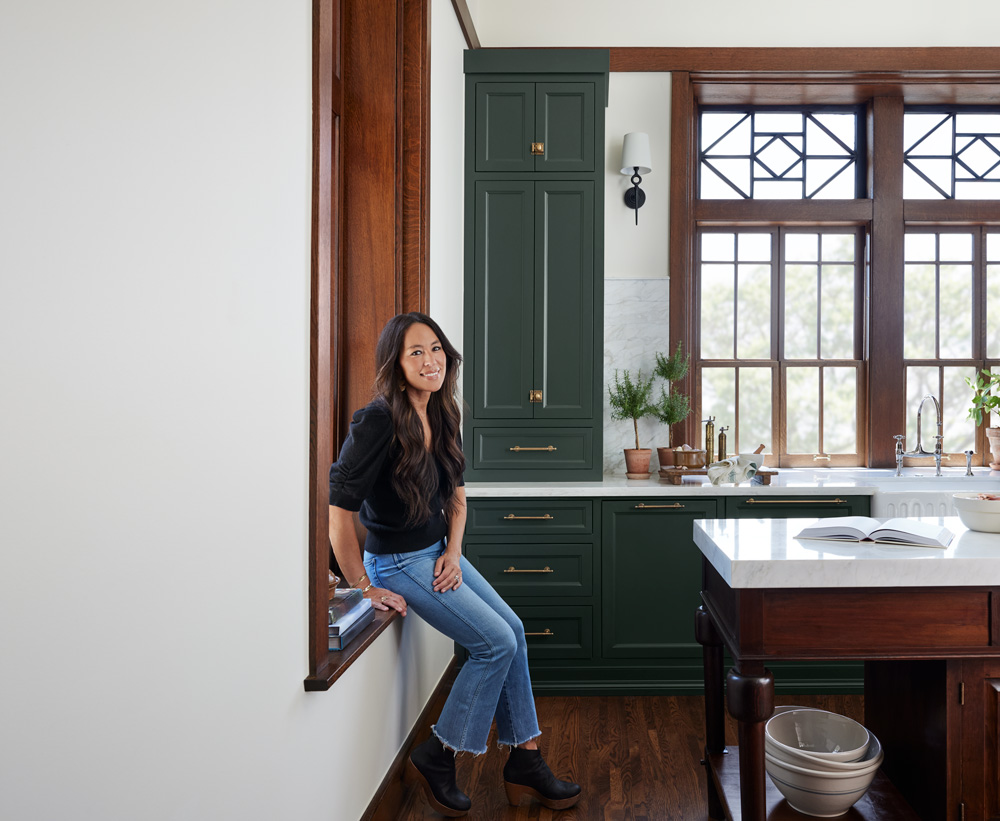

Cottage Grove is a moody navy infused with a deep green hue that elevates the space and provides a fresh look while complementing the historical splendor of the Castle property. With natural light illuminating the space, Cottage Grove is sure to make a statement.
“A rich blend of navy and green, this color can take on either tone in different light, which makes it both dramatic and cozy all at once.” –Joanna Gaines
 Using Magnolia Home by Joanna Gaines cabinet paint to bring color to the cabinets brings modern drama to this room. Without traditional white or wood-colored cabinets, this room demonstrates how you can get creative with color, using it to add personality.
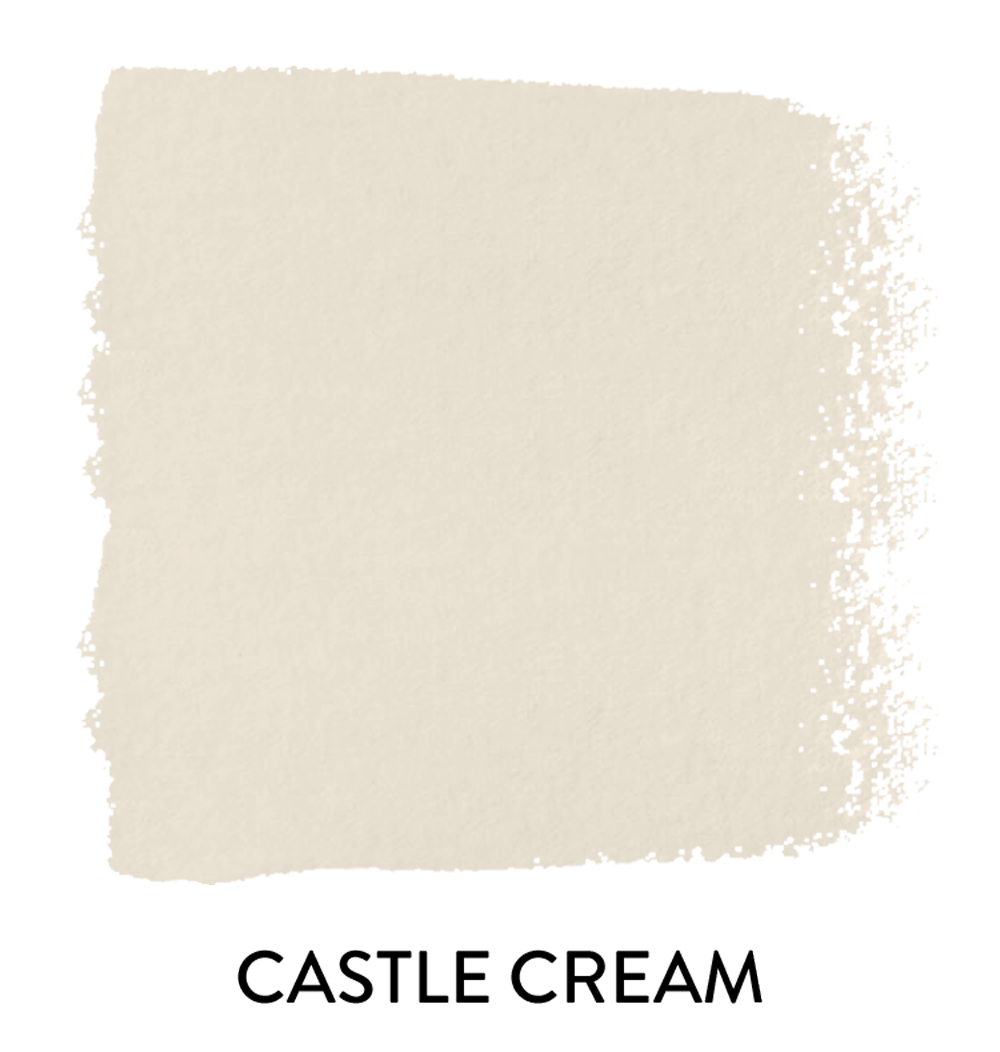
You’ll notice that the wall color provides a crisp contrast to the moody navy. Painted in another Castle Collection color, Castle Cream, soft white with a timeless essence adds sophistication and charm to this space.
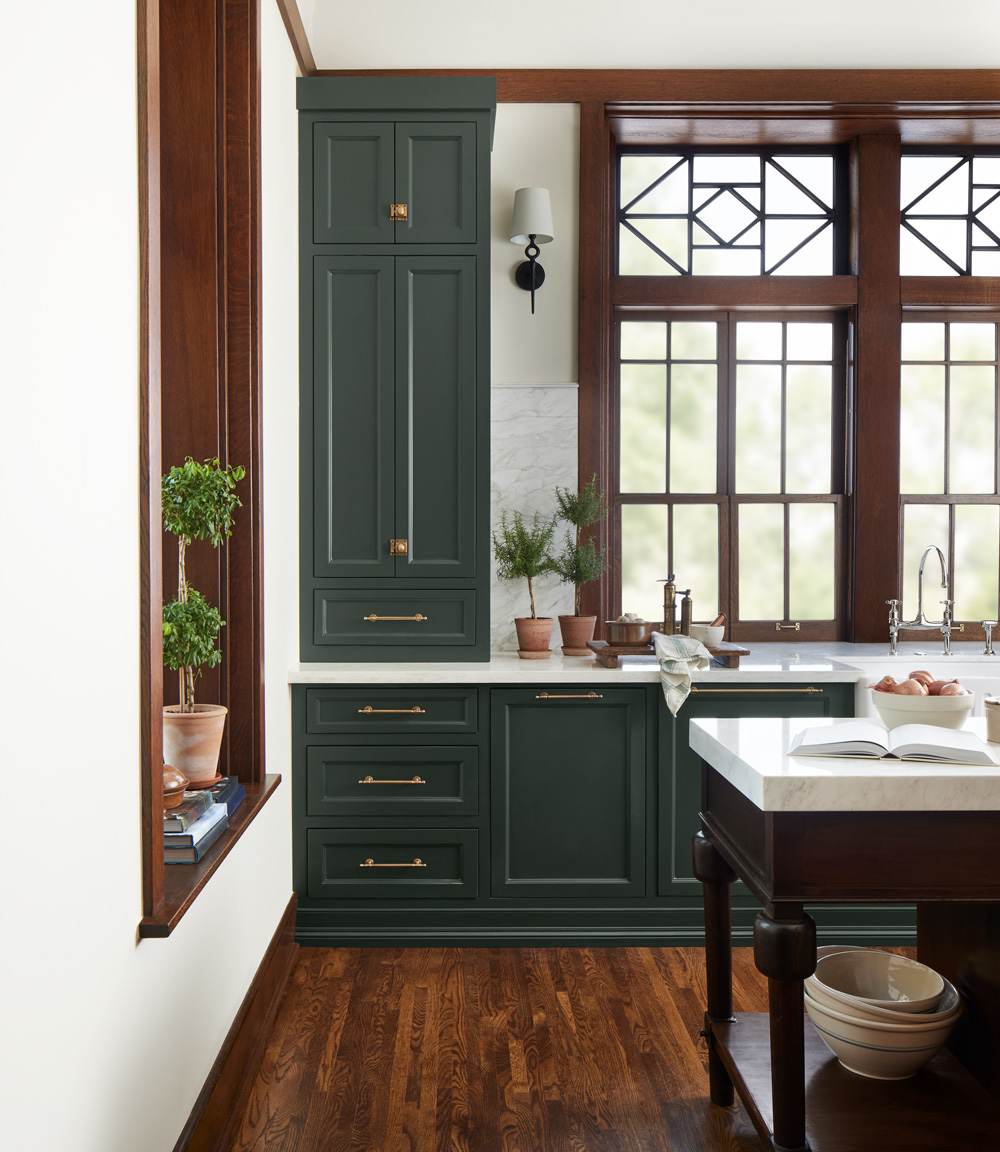
Brass accents and vintage décor complement the color beautifully, with dark wood floors and window trim that are reminiscent of the era when the castle was built. Adding to the color contrast, the white marble kitchen counter and backsplash brightens this room. Glass containers and plants add to the vintage aesthetic bringing this space elegance and refinement.
And in case you haven’t seen the full collection yet, The Castle Collection is a color palette specially designed and curated by Joanna Gaines for the Magnolia Home by Joanna Gaines paint line. Comprised of ten new colors, ranging from warm neutrals to moody accents, inspired by the historic castle restoration project located in Waco, Texas, and featured in a season of Fixer Upper: The Castle.
Don’t forget to check back here at the Perfect Finish to read more about specific rooms and paint colors featured in the Castle project. Read about the Girls’ & Boys’ bedroom here!
Encouraged to tackle a project using one of the Magnolia Home by Joanna Gaines paint colors? Check out the palette below that complements Cottage Grove and Castle Cream and coordinates with their rich, warm tones.

Castle Cream

Gatherings

Panna Cotta

Homebody

Boutique Gray
“Where can I buy Magnolia Home by Joanna Gaines Paint?”
These paint colors are now available at Ace Hardware, Lowe’s and Magnolia.com/shop.
RELATED ARTICLES
get inspired:
FOLLOw us:
@kilzbrand
SHOP
PRODUCTS

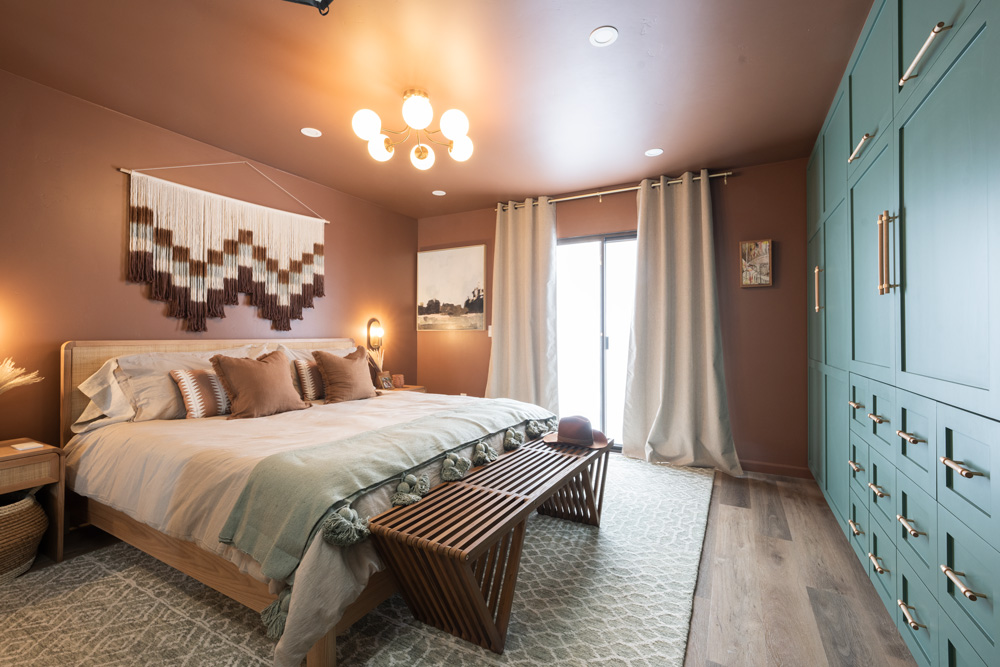
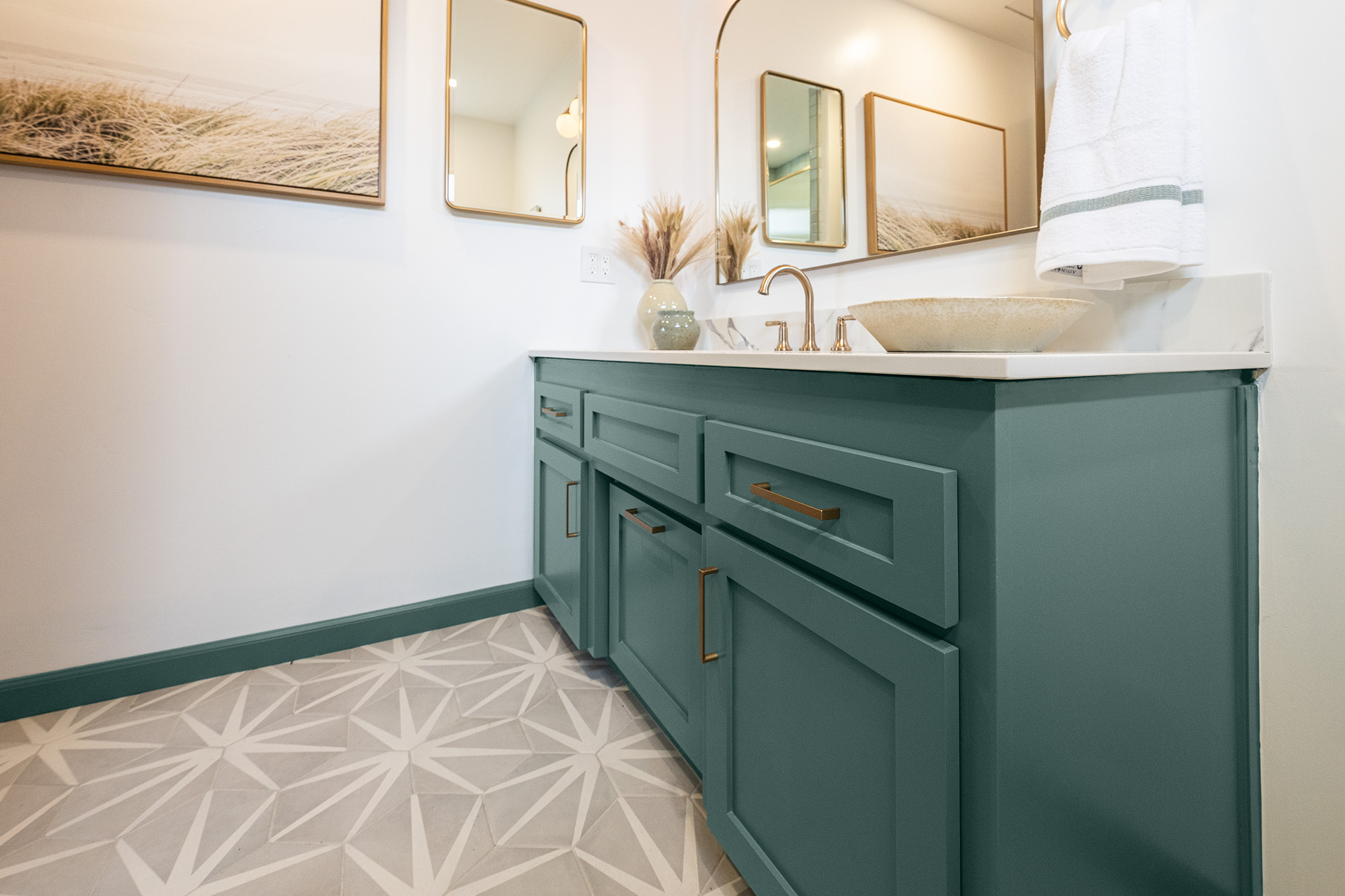
Meet Jared and Jason: The Pros of Destination Restoration
April 18, 2023Are you looking for inspiration for your next home renovation project? Look no further than Destination Restoration, a new mini-series from KILZ that celebrates the power of restoration. Meet the talented Pros, Jared Foster and Jason Lai, who bring their expertise in design and painting to restore a fourth-generation family home. With their unique blend of skills and passion for craftsmanship, they transform old and outdated spaces into something new and beautiful using primer and paint.
 Jared Foster is a master painter, builder, and business owner with over a decade of experience in the industry. He’s known for his attention to detail, his skilled craftsmanship, and his ability to turn even the most challenging of spaces into beautiful homes. Before finding his passion for home improvement, Jared was a Grammy-nominated singer-songwriter, traveling the country and touring with some of the biggest names in the music industry. Now, he channels his creativity into building projects that are both functional and beautiful.

Jason Lai has over 15 years of experience in the design industry and owns his own design firm. He’s worked on a wide range of projects, from contemporary homes to traditional spaces, and everything in between. Jason’s clients appreciate his adaptability, relatability, and humility while also acknowledging his confidence in standing by his recommendations. Having worked with such a variety of clients and spaces, Jason brings a unique perspective to each restoration project he’s a part of.
Together, Jared and Jason make an unstoppable duo, with skills that complement each other perfectly. Throughout the series, viewers get an immersive behind-the-scenes look at each restoration project, from painting over water stains to painting bathroom cabinets using KILZ primers.
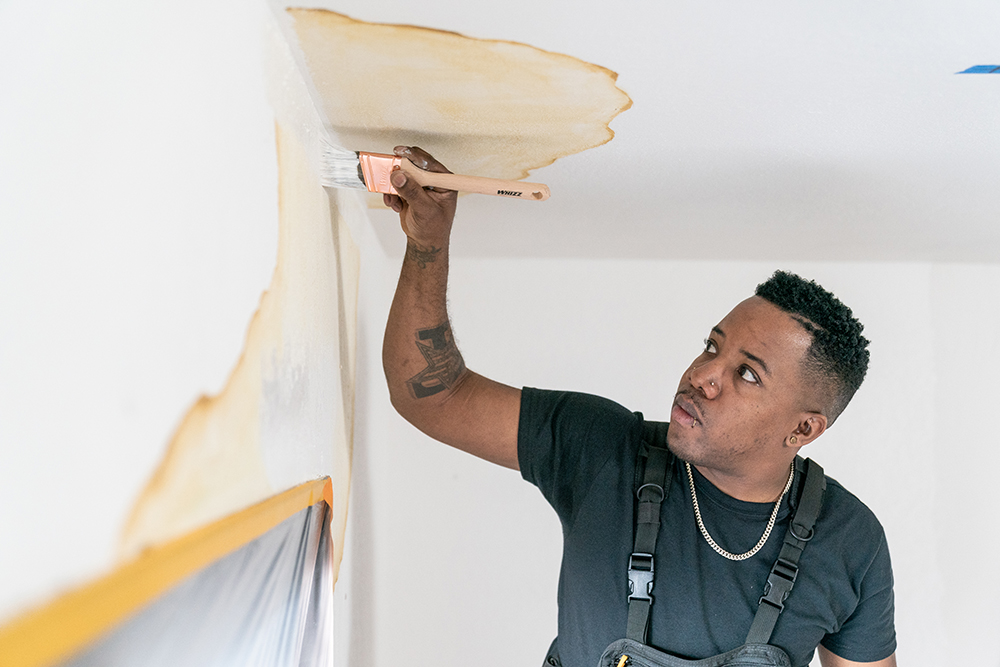
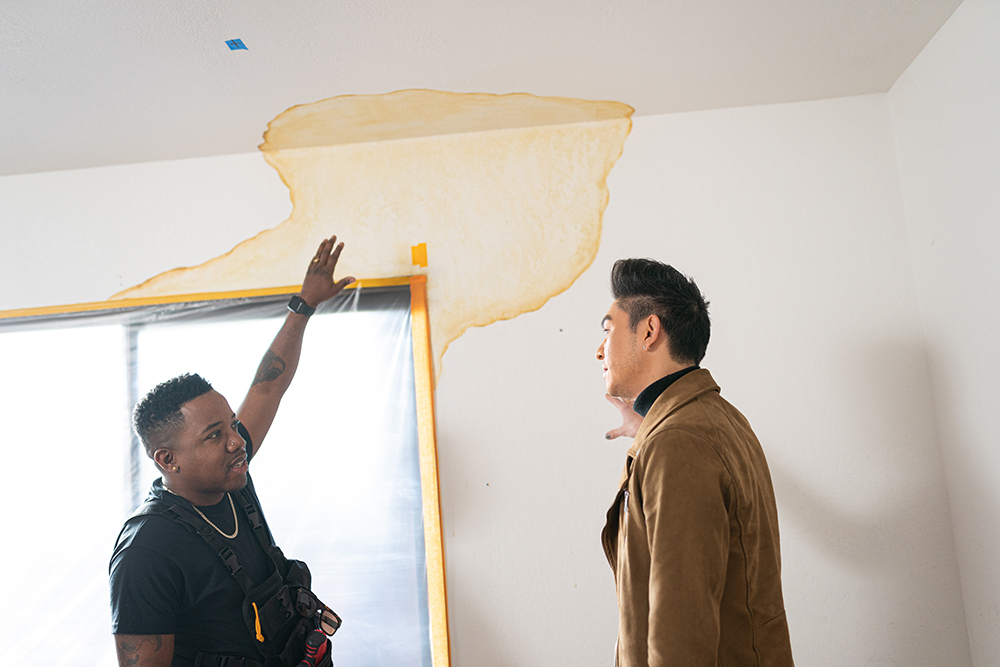

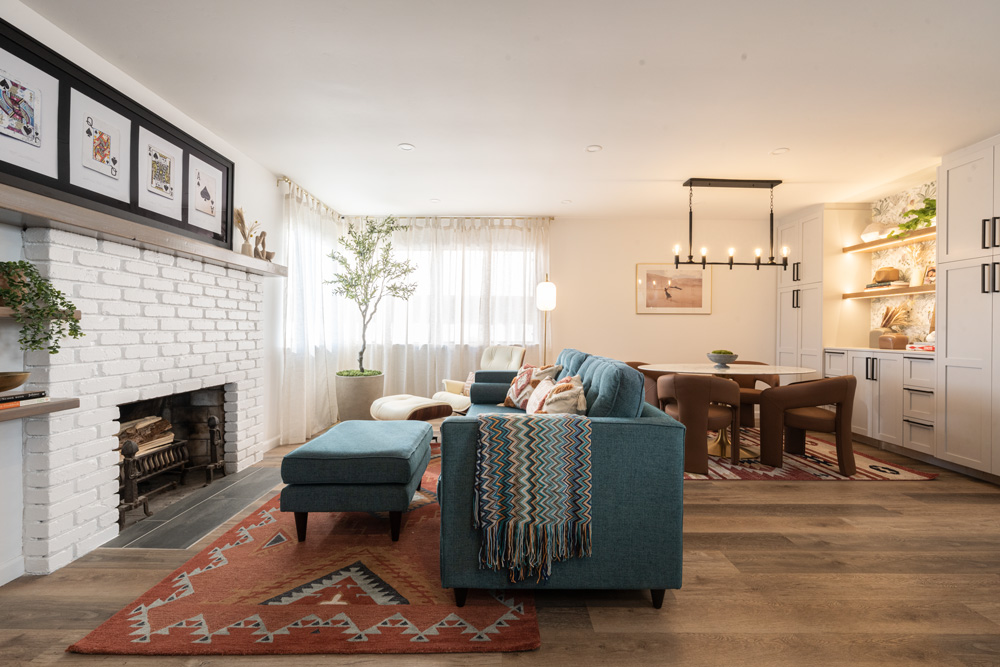
Whether you’re a DIY enthusiast or simply looking for home inspiration, Destination Restoration is a must-watch series that showcases the beauty of home restoration. Jared and Jason bring their passion, expertise, and eye for design to each project, and show viewers how to transform old and outdated spaces into something incredible. Tune in to Destination Restoration and start your journey to creating your dream home today.
RELATED ARTICLES
get inspired:
FOLLOw us:
@kilzbrand
SHOP
PRODUCTS
Updating a Kitchen for a New Generation
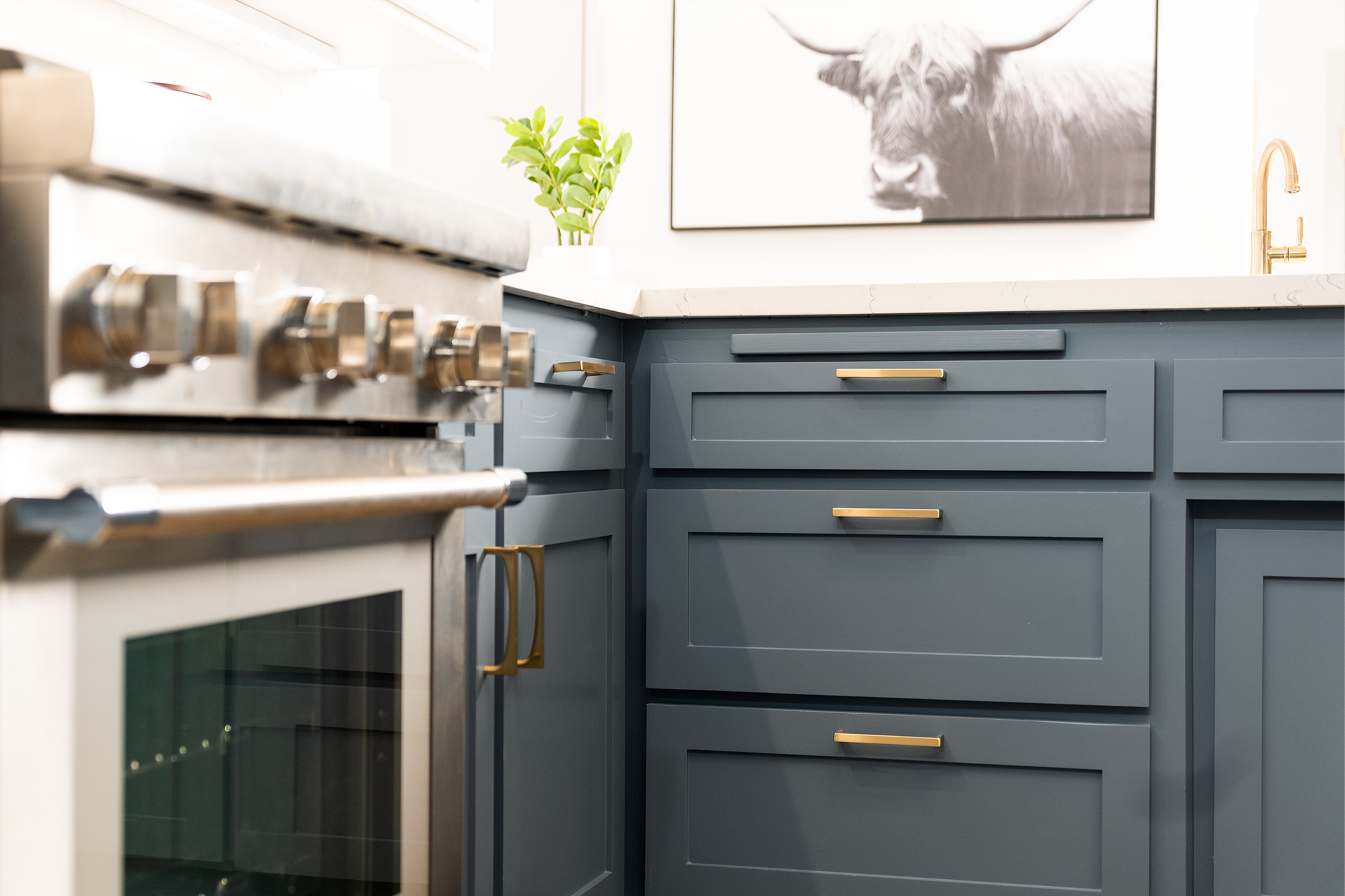
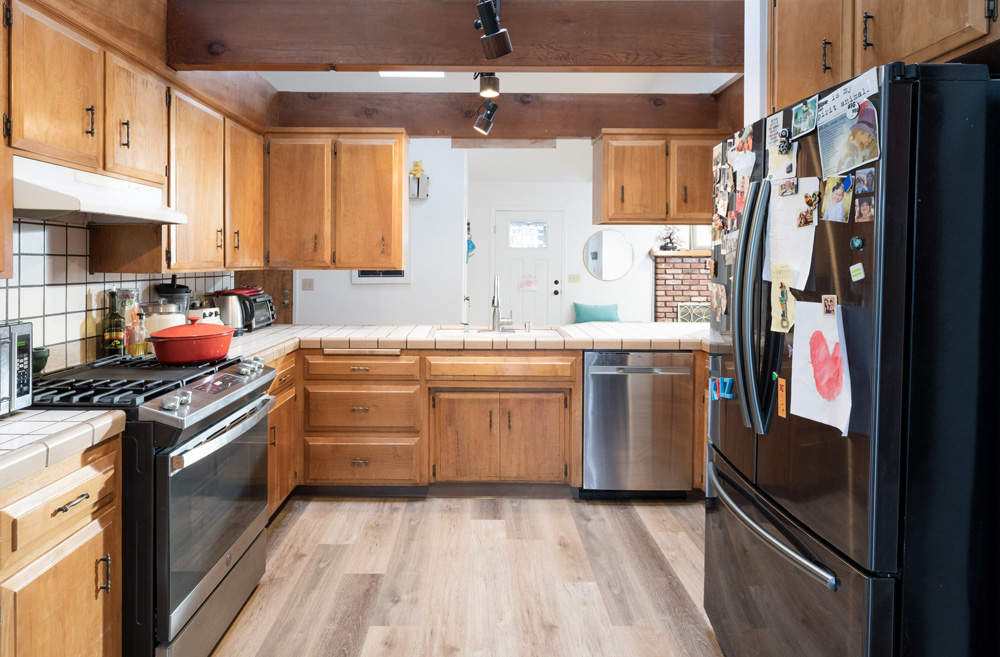
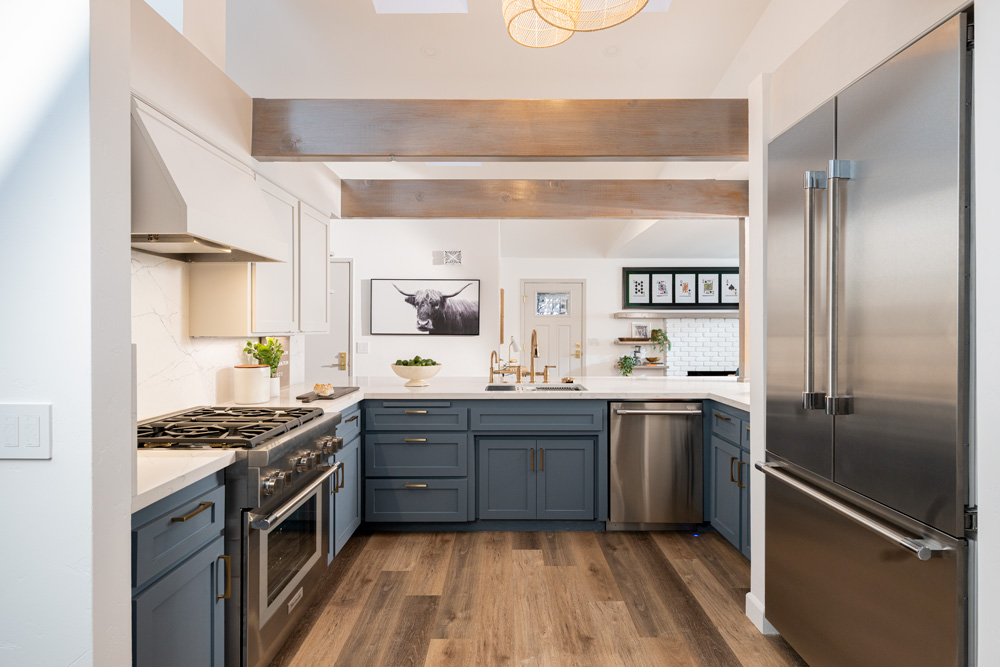
April 17, 2023We’re excited to share details from our Destination Restoration series with an inspired kitchen refresh that doesn’t require gutting the entire kitchen. This series demonstrates how you can breathe new life into an older home (in this case, a 4th generation family home), while keeping its structural integrity intact.
Our expert design and restoration team — Jason Lai (interior designer) and Jared Foster (contractor/pro painter) — worked together to transform a kitchen that was well past its prime. They first conceptualized which cosmetic changes would make the most impact, and then rather than gutting the entire room and starting from scratch, they repurposed and restored. By refreshing dull wooden cabinets, creating bar seating with a stunning new look, replacing heavy black appliances, and updating hardware, countertops, and backsplash, they transformed a dark and dated kitchen into a bright, airy, and modern one, renewing it for years to come.
If it’s your first time restoring a kitchen, it can feel like a big undertaking, which is why we broke down what we did below, so you can get a more detailed understanding of how we upgraded the heart of the home. We’ve also included a step-by-step guide on how to paint kitchen cabinets for a refresh.
Cabinetry
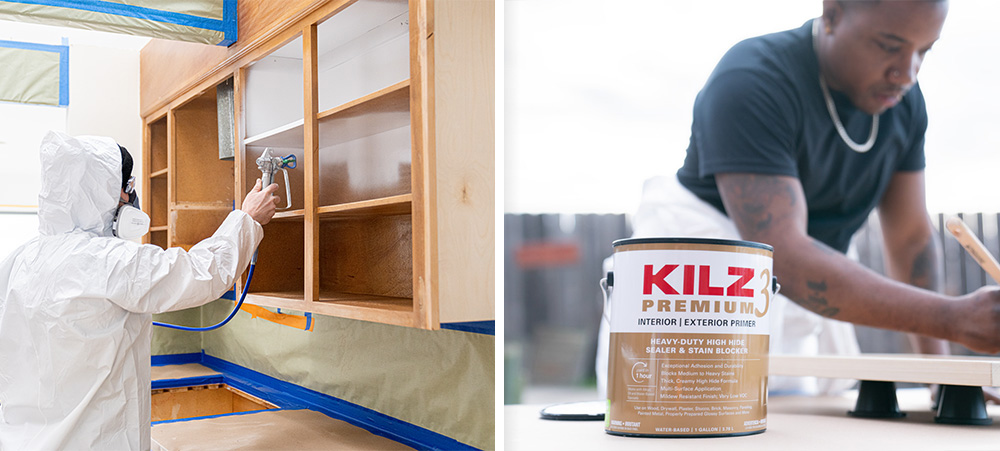
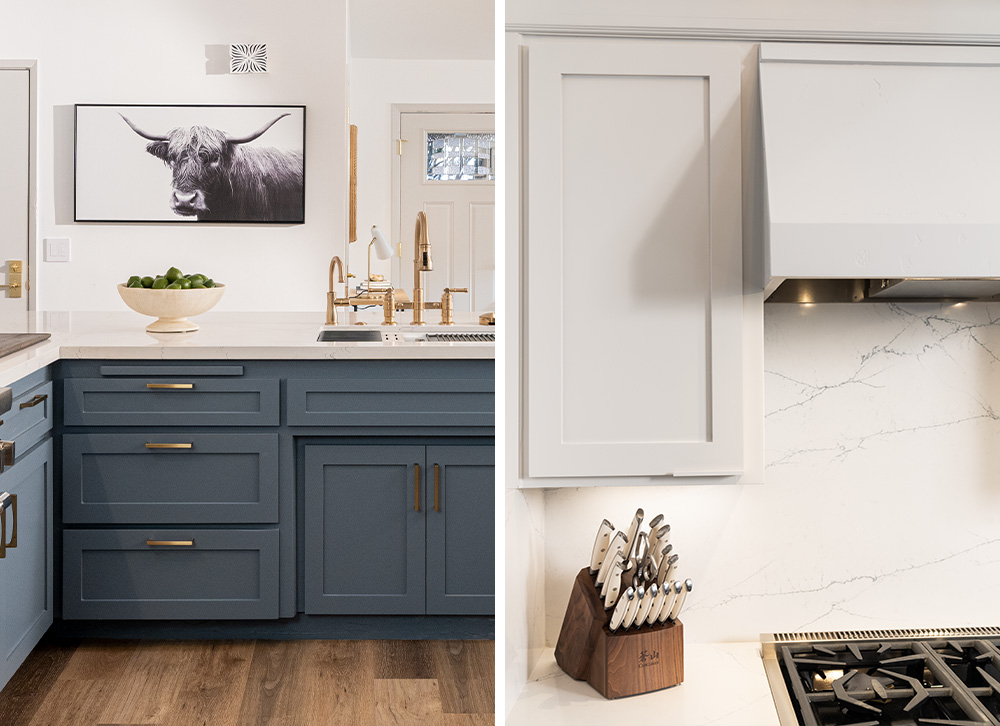
Rather than ripping out and replacing the cabinetry, which can be costly, we gave them a brand-new look and feel with a few simple updates. We removed some of the upper cabinets and modernized the rest by making them shaker style. Then we used KILZ 3® Premium Primer to prep them for a fresh coat of paint. To create some contrast and brightness in the room, we chose Charcoal Blue for the lower cabinets and Chic Grey for the upper, both colors by Behr Paint. Finally, we fitted them with all new hardware.
Ceiling
Because it wasn’t structural, we removed the center beam and stained the remaining beams to match the floors. (Check out the Living/Dining Room restoration to see where that center beam ended up!) We also installed recessed lighting by Kichler Lighting and rattan pendant lights.
Appliances & Additional Lighting
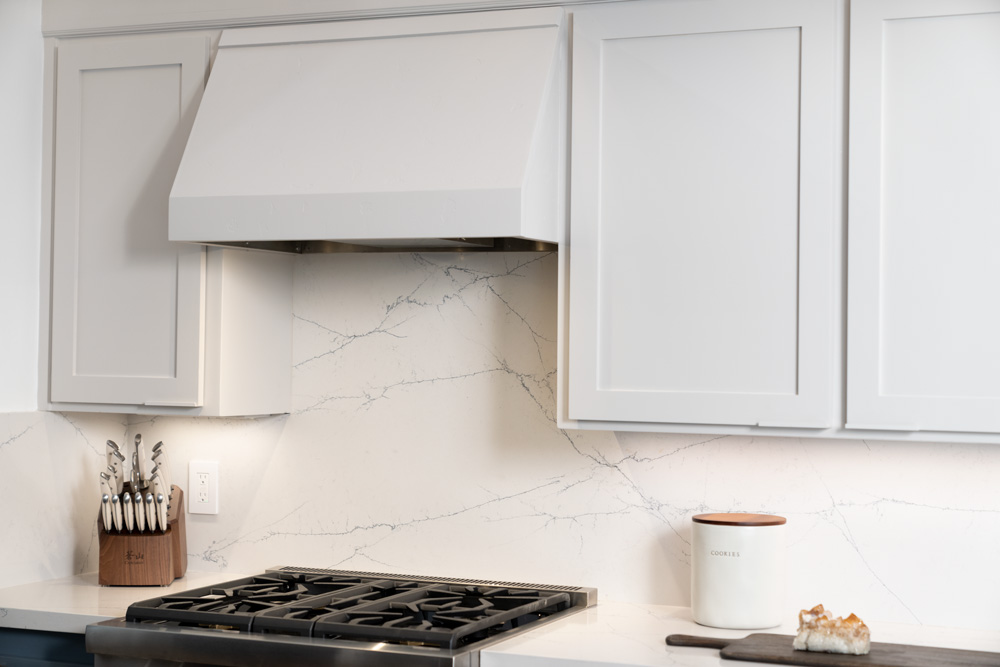
We updated the hood vent, oven, dishwasher, and refrigerator with stainless steel appliances for a sleeker, modern look. To ensure the hood vent matched the upper cabinets, we plastered, primed (again using KILZ 3 Premium Primer) and painted it using the same Chic Grey (a color by Behr). Finally, we installed under cabinet lighting by Kichler, added new electrical outlets throughout, and updated all electrical switches.
Other Changes
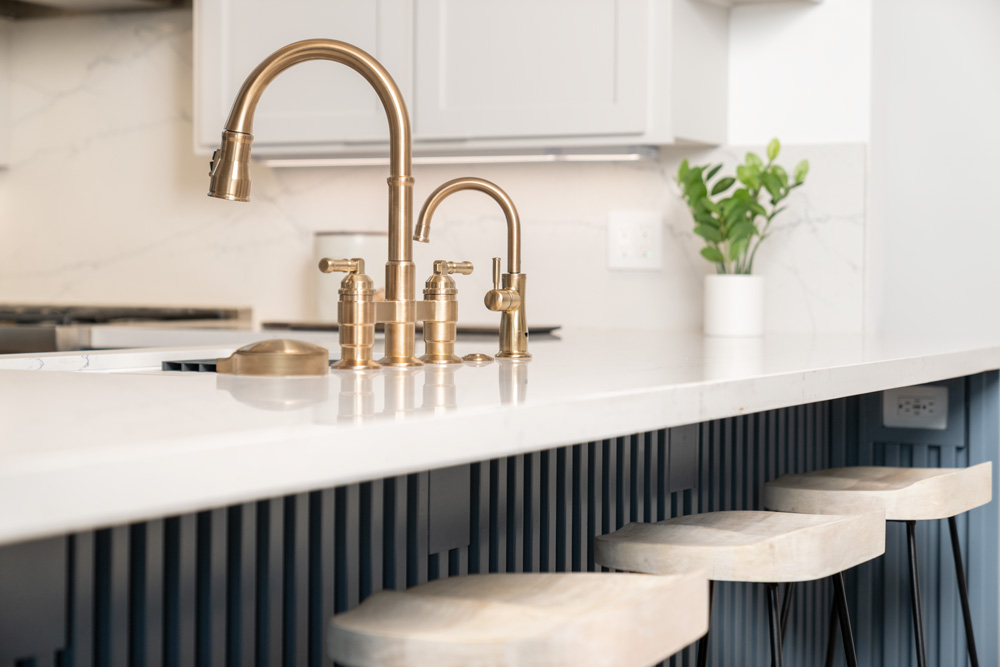
We updated the tile countertops and backsplash with a modern, white marble finish. To extend the bar, we added rounded lower cabinets and primed them (using KILZ 3 Premium Primer) for paint (Charcoal Blue by Behr) to match the others. Lastly, we added a 1×1 rail texture detail under the counter with hidden outlets. The sink, faucet, glass rinser, filtered water faucet, and hardware were all updated new products by Delta Faucet to complement the new look.
Why Do You Need to Prime?
Priming is essential for proper surface preparation for any paint project. It’s the difference between a job done and a job done right. Priming helps solve a wide range of problems, including highly porous surfaces, stains, odors, uneven surfaces, texture differences, and adhesion problems.
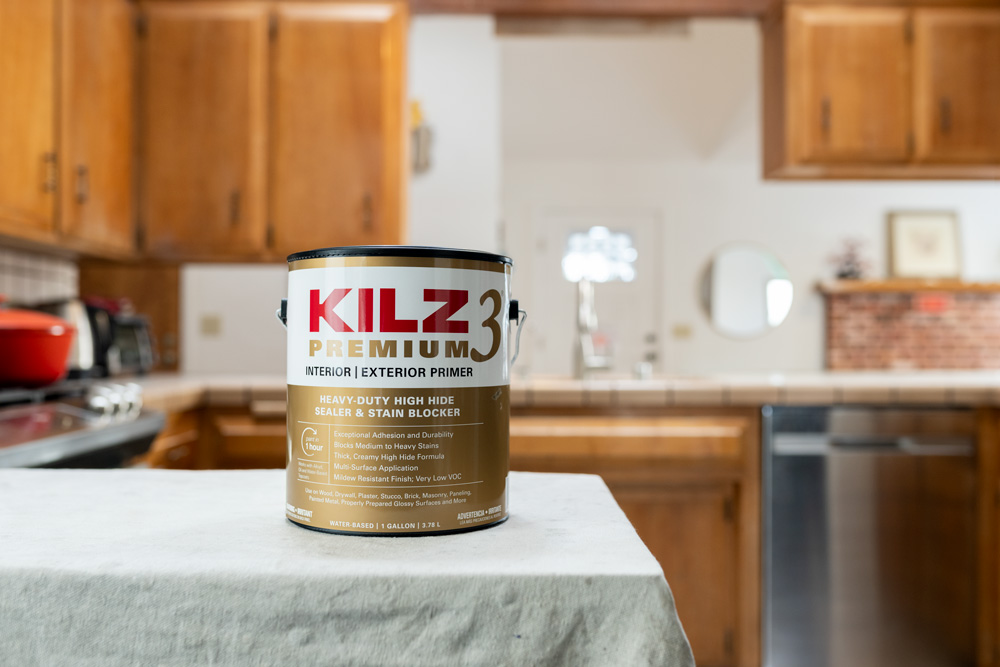
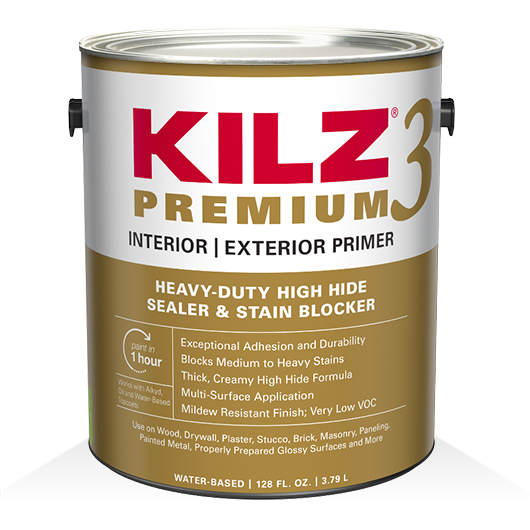
For this kitchen cabinet facelift we used, KILZ 3® Premium Primer, which is ideal for high-touch surfaces and humidity protection. It was perfect for our cabinet refresh thanks to its exceptional adhesion and ability to hide blemishes, stains, and other imperfections, which can accumulate over time, especially in older, generational homes like this one.
Step-By-Step Guide to Refinish Kitchen Cabinets:
Painting wood kitchen cabinets requires a few basic steps to get the smoothest finish and lasting results. Here’s an easy guide to follow for your next project:
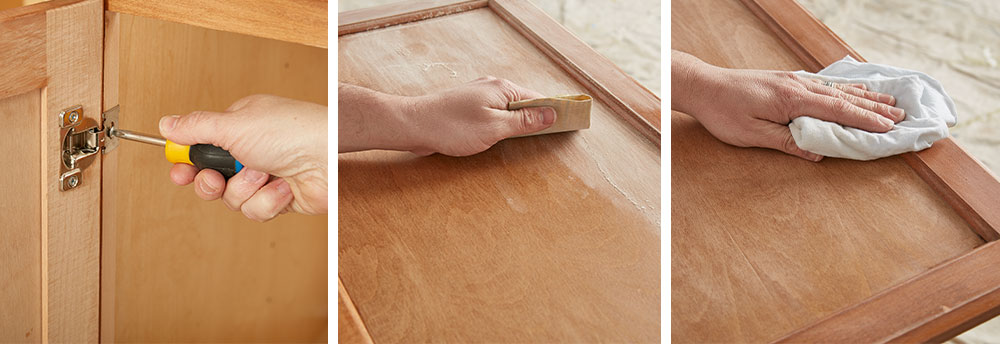
1. Use a screwdriver to remove the cabinet doors and drawers from the cabinet frames and to remove all door handles and hardware.
2. Sand the surfaces of the doors, drawer faces, and cabinet frame to create a smooth surface for priming. Do a first pass with 100-150 grit sandpaper then finish with a second pass of 180-220 grit sandpaper. Remember, the higher the “grit” number, the smoother the finish.
3. When sanding, move the sandpaper in the same direction as the wood grain. If you go against the grain, you will end up with a lot of scratches that will show through your topcoat.
4. After sanding, wipe down the surface with a damp cloth to remove any dust or residue. Allow to dry.
5. Protect your floors and workspace from paint and primer by covering it with a drop cloth.
6. Now it’s time to prime! Using KILZ 3® Premium Primer, use a brush to make smooth strokes that go in the same direction as the wood grain.
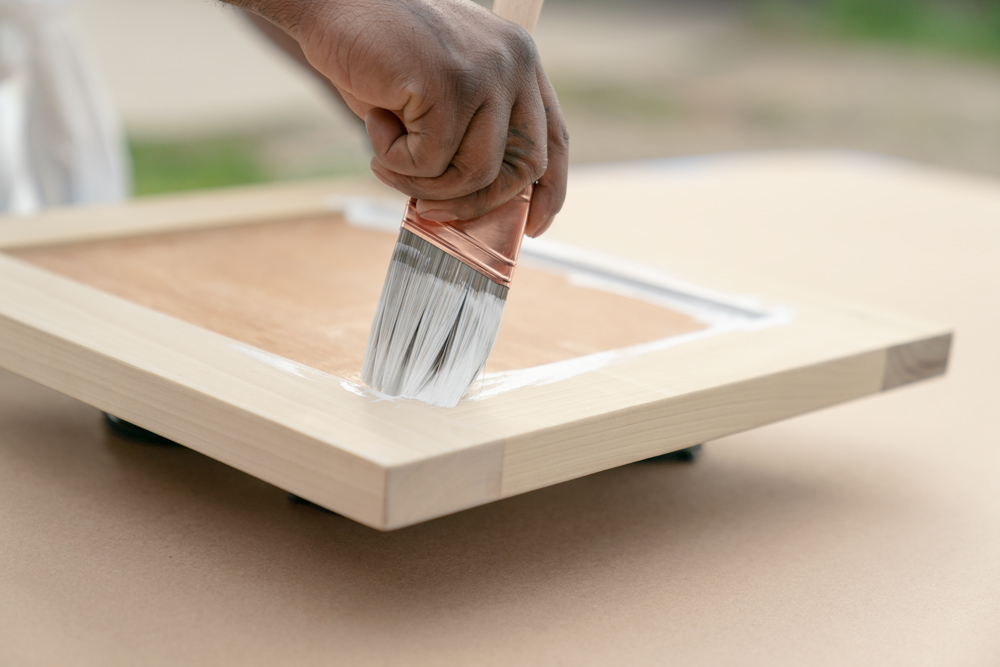
• Pro-tip: To get better coverage along the sides of your door, raise it off your work surface with bricks.
7. Allow to dry for 2 hours.
8. Once the primer is dry, apply your kitchen cabinet paint of choice using the same application process at the primer.
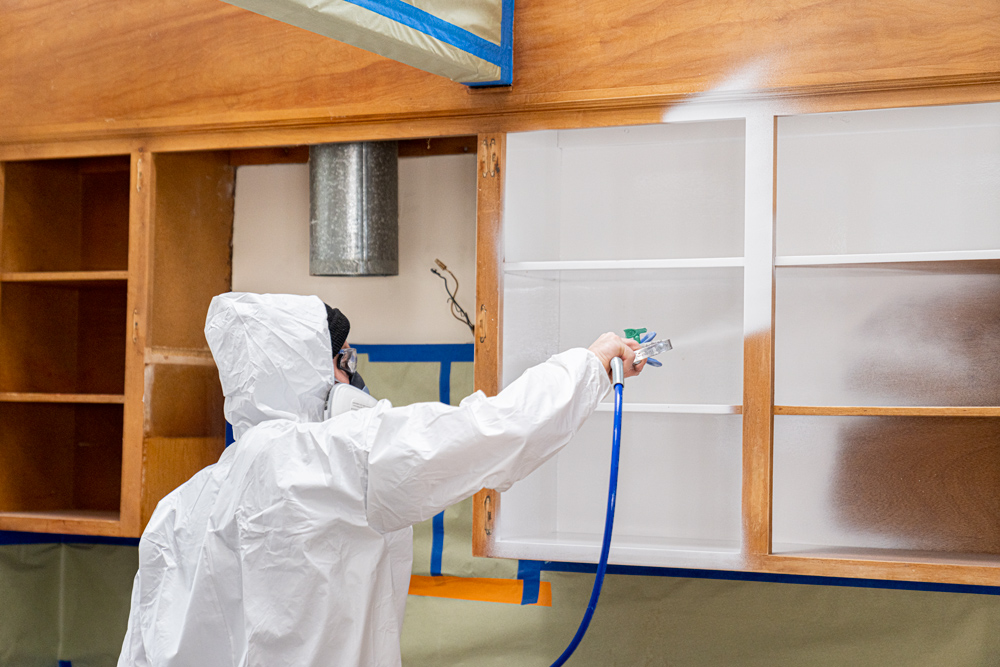
• Pro-tip: For a really great result, apply primer and paint with a sprayer.
You Will Need:
• Screwdriver
• Dust mask
• 100-150 grit and 180-220 grit sandpaper
• Step ladder for hard-to-reach areas
• Rags to wipe dirty and dusty surfaces
• Painter’s tape
• Drop cloths, canvas, or other reusable material
• Paint roller, brush, and paint tray
• Paint of choice
We hope this episode of Destination Restoration inspires you to take on your own kitchen remodel this year. Be sure to keep KILZ® products in mind for your next project, and come back for more ideas, tips, and project inspiration.
If you loved this restoration, be sure to check out the other episodes of Destination Restoration. Jason and Jared took on the Primary Bedroom, Primary Bathroom, and Living/Dining Room.
Always remember to refer to our website kilz.com or product back labels for additional information on which primer is right for your project and detailed instructions on how to apply our products. Check out our Coverage Calculator to understand your estimated paint needs for your upcoming project.
RELATED ARTICLES
get inspired:
FOLLOw us:
@kilzbrand
SHOP
join the conversation:
SHARE this post: