Author: Carmen Serrano
Fun & Functional Home Gym Makeover
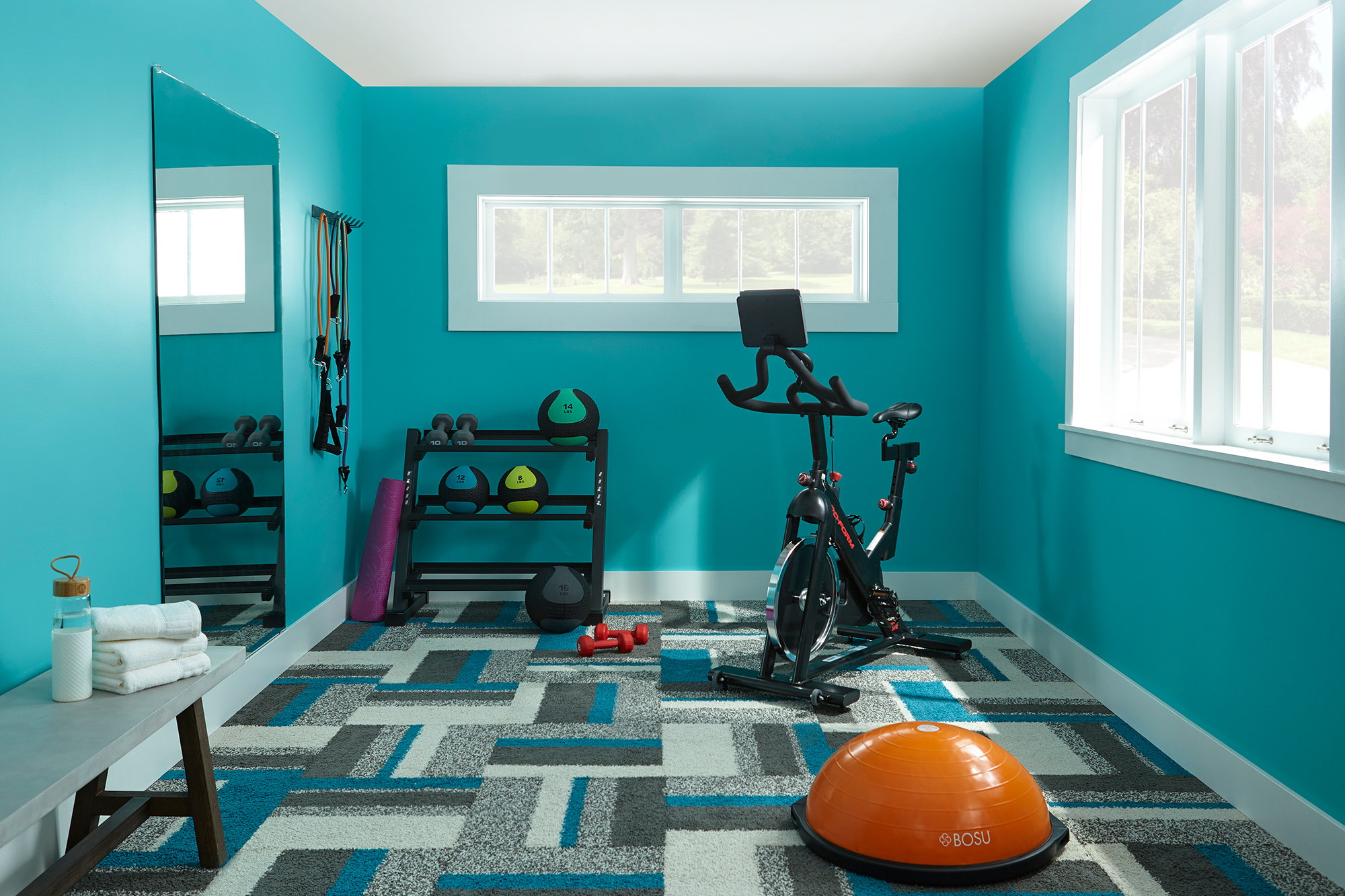
March 23, 2021The way we live has changed in the last year and we are doing more at home than ever before. Instead of time spent at yoga studios and gyms, many are streaming workout classes online and rolling out their yoga mats on the living room floor. Not everyone has an extra room waiting to be transformed into a boutique fitness studio, but if you do have an unused guest room, why not convert it into a custom home gym? That’s what we decided to do with this unused bedroom, and the results are stunning. The secret to our success was our quick and easy wall transformation — executed with a layer of primer followed by a vibrant coat of paint in an energizing color. It’s yet another example of how primer and interior paint can make a big impact and transform just about any space.
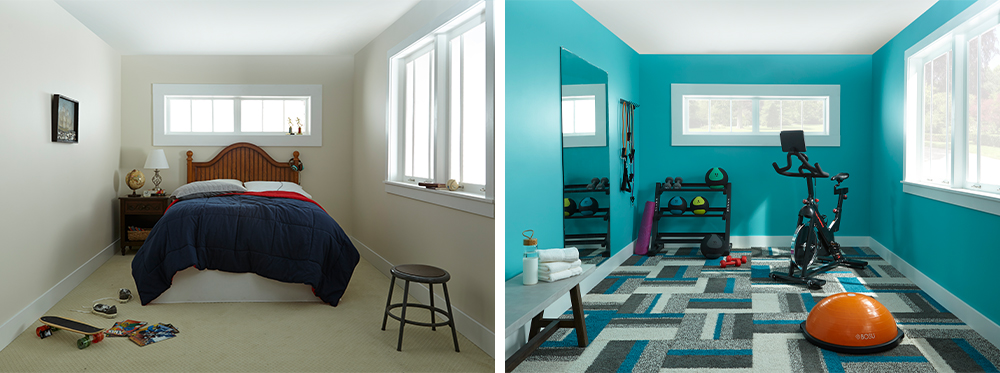
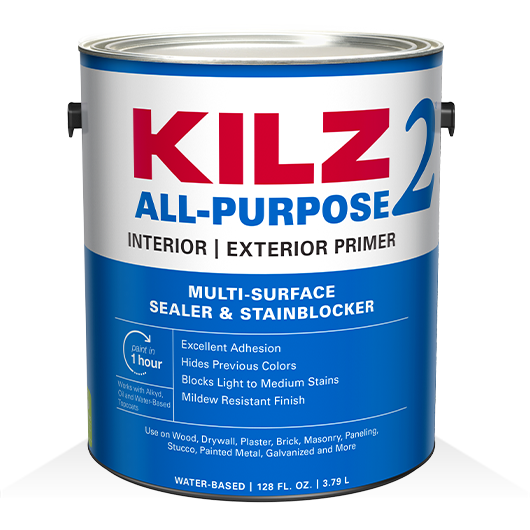
Here’s a look at exactly how we revamped this dull-looking bedroom into a sparkling home gym, using only primer, a coat of paint, a fun square of carpet and a few essential pieces of equipment. First, we tackled the walls, starting off with a coat of KILZ 2® All-Purpose Primer, which was especially ideal for our project because it created a perfect base layer to ensure the new topcoat color would be vibrant and vivid. This all-purpose primer is known for its durability, so you can trust that your paint job will last longer.
Next came the fun part — choosing a color. We opted for something invigorating, encouraging you to go for that extra 20 minutes on the bike or treadmill. A bold and bright aqua, KILZ® Tribute® Paint in Tropical Escape (TB-56) is so vivid, it almost has a neon vibe. It was the perfect shade to wake up our gym space. As we layered it over our KILZ® Primer, we noticed immediately that the color seemed to pop from the walls, giving an amazing vibe of energy and vitality.
With a color like this, we knew that the flooring had to be something special. This bold geometric pattern caught our eye, and best of all, the colors matched our beautiful paint to perfection, proving that no matter how exotic your paint choices, there’s always going to be a bit of gorgeous flooring out there to match. We think that the combination of patterns and colors really adds a lot of character to the room — something you don’t always think of when creating a gym, but why not make your exercise space as attractive and appealing as the rest of your home? (Hint: The nicer it is, the more time you’ll want to spend there, which might even mean that you’ll exercise more). Another advantage to this carpet is its durability. For a home gym — or any type of space that gets a lot of physical impacts or foot traffic — it’s best to choose a durable, short-pile carpet that’s specially treated to resist stains, odors and moisture.
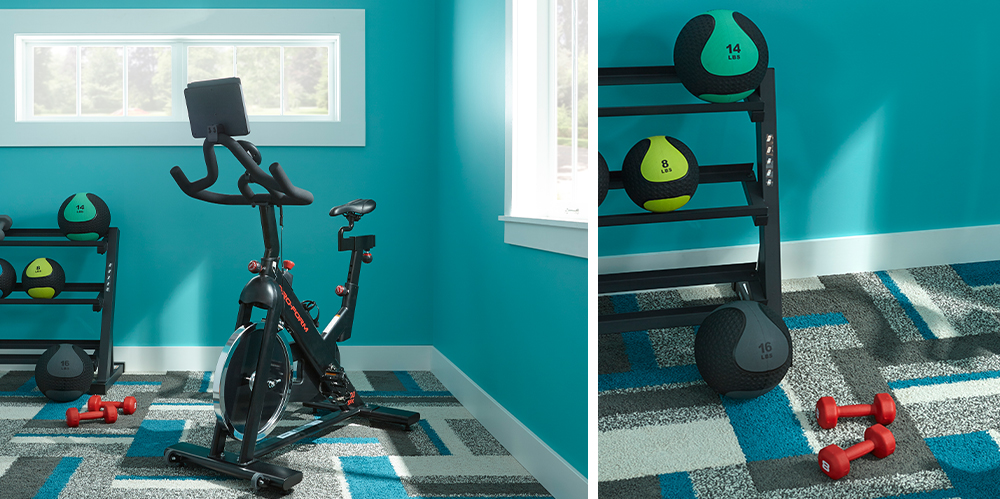
When renovating a room, you’ll want to first look for its advantages and figure out how to make the most of them. We recognized immediately that this room’s biggest assets were its two rectangular windows, so we made them into focal points by refreshing them with a coat of durable primer, followed by a coat of white paint. A good primer will give you that extra added adhesion you need for superior coverage when you’re painting — always a plus when you’re working with light colors because superior coverage will prevent the old colors from seeping through.
Nothing opens up a narrow space better than a full-length mirror (always a great accessory for any home gym), and we found one that added the perfect amount of depth to the room.
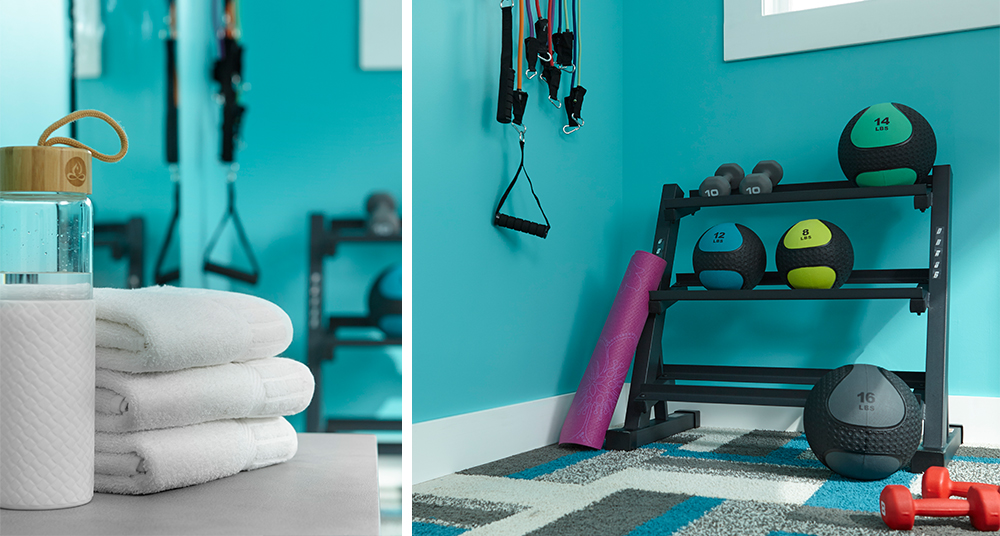
As for equipment, we kept it simple with just an exercise bike, along with a balance trainer ball and a few hand weights. The beauty of a bedroom-sized gym is there’s enough space for several pieces of equipment, so you’ll have enough space to add more items later on. We streamlined things even more by adding space-saving floor and wall racks (for equipment, helmets, and shoes) and a versatile gym bench for extra seating as well as storage.
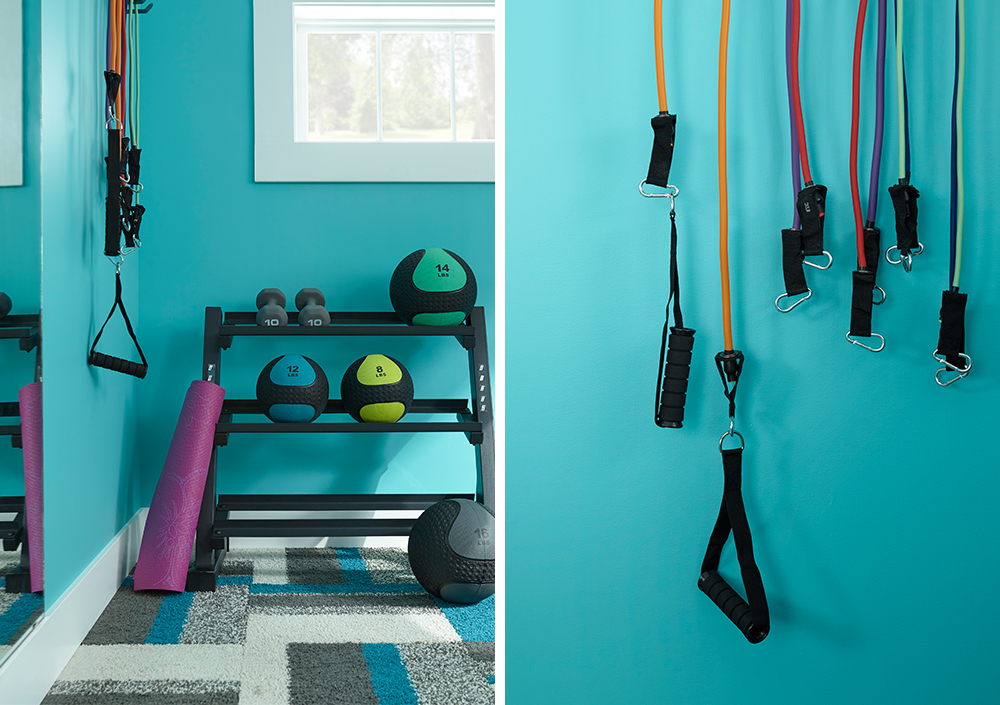
Once we were finished, we decided hands-down that the paint color made all the difference and was the real winner here, proving once again a layer of primer and coat of paint can transform a room from a dull dud into a sizzling firecracker.
Always remember to refer to our website kilz.com or product back labels for additional information on which primer is right for your project and detailed instructions on how to apply our products.
RELATED ARTICLES
get inspired:
FOLLOw us:
@kilzbrand
SHOP

PRODUCTS

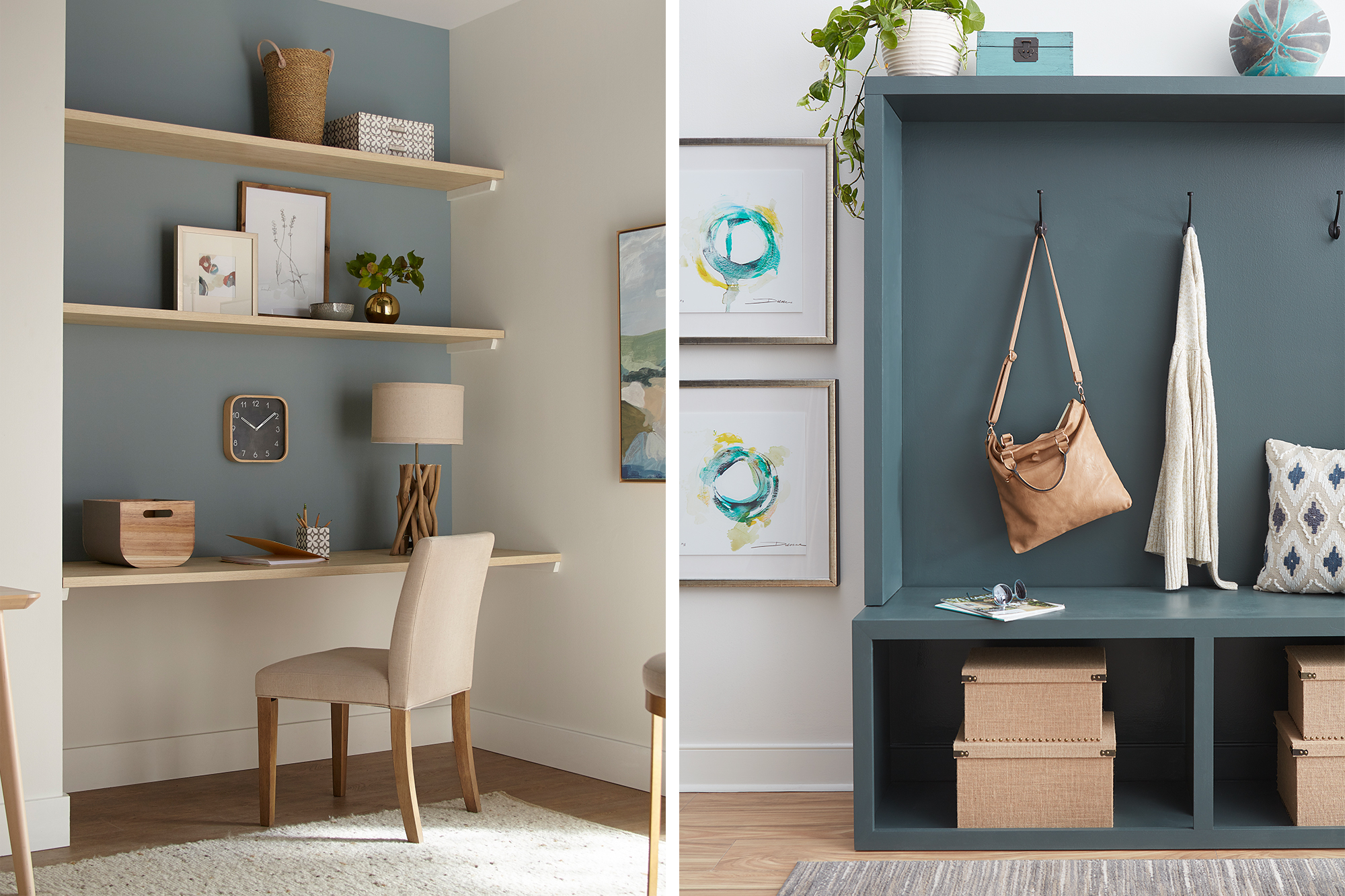
Creative Ways to Carve Out Functional Spaces
March 23, 2021The home office is becoming as standard as the laundry room. With more people working from home than ever before, often alongside children who are distance learning, people have been forced to get creative with their living/working/study spaces. Rather than trading in your dining table for a desk, try one of these ideas that empower multifunctional spaces and add some design flair to your home at the same time.
Here’s how you can fit everything in your life comfortably into your home.
Carving Out Office Nooks
The “corner office” has taken on new meaning. If you feel like your office is quite literally crammed into the first corner made available in your home, it’s time to take a look around and see if you can give yourself an upgrade.
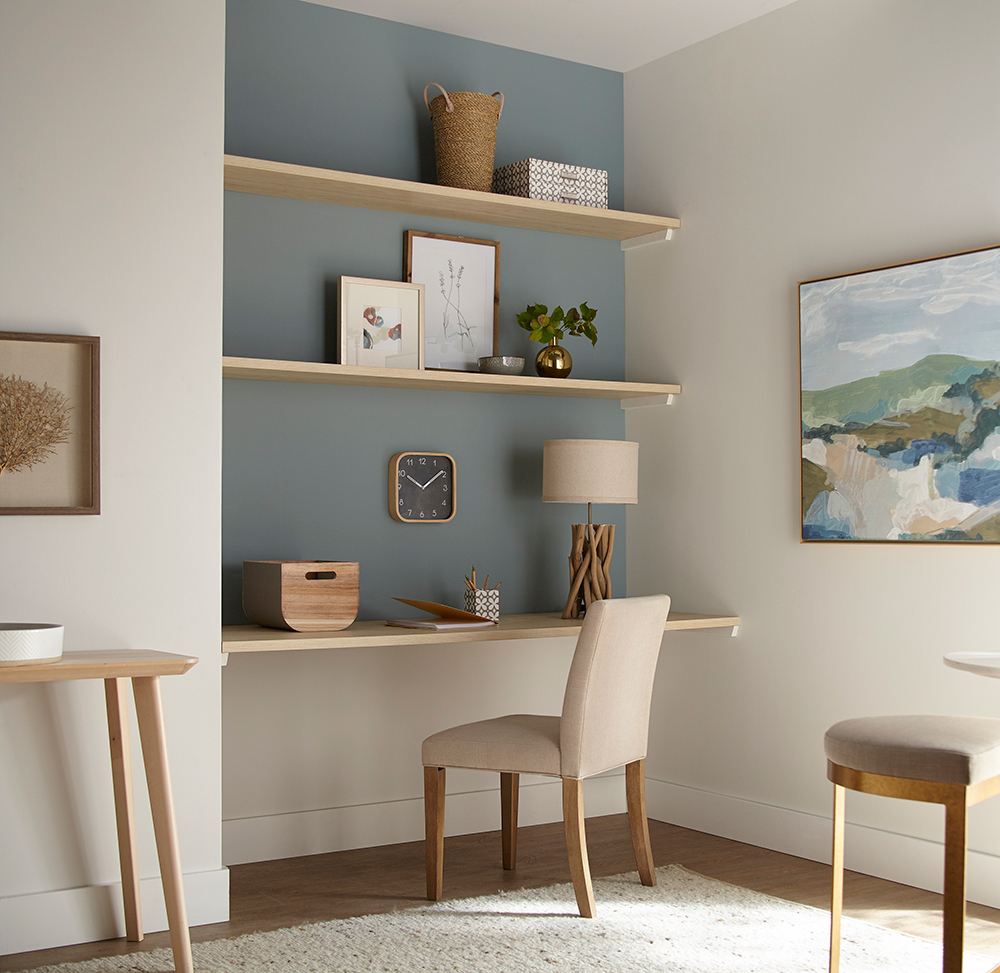
For some households, having a workspace in the main living area isn’t a big deal — especially if you have a laptop that you can easily fold away to make room for other things when work is over. However, if you need more room to spread, out or you just work better at an actual desk, there are creative ways to fit it in and make it look great. Take this small-space office nook for example – with KILZ 2® All-Purpose Primer, a fresh coat of paint and built-in shelves, we converted a neglected nook into a pretty WFH space. See the full transformation here.
Building in Organization
Building organization into your house is essential for reducing all clutter that inevitably comes with spending more time at home. When things have a place at the end of each day, they’ll be out of your way. You might decide to relocate things around the house as you find new storage spaces, whether it’s under-the-bed, behind the couch, on top of the kitchen cabinets, or in the hall closet. The key to avoiding the look and feel of clutter is to have some rhyme and reason behind what you put where.
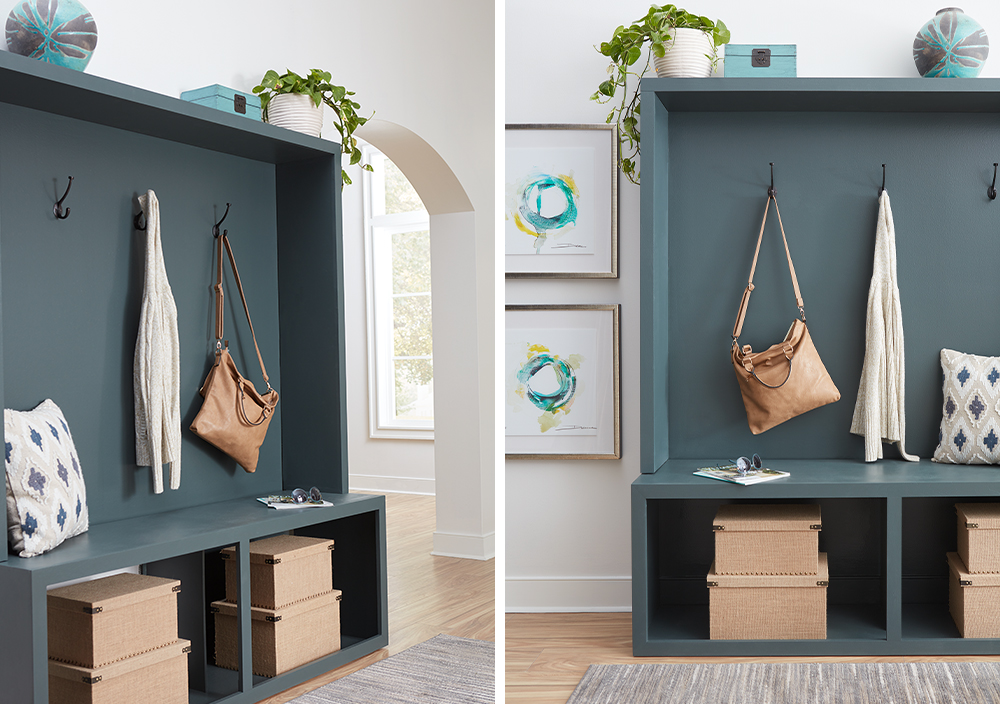
Adding some storage to your entryway or mudroom is a practical (and pretty!) way to keep the mess at bay. For this entryway storage center, KILZ Primer was the essential first step in transforming a boring wood bench into a statement piece. After priming the bare wood with KILZ 2® All-Purpose Primer, a fresh coat of pretty gray-green paint (KILZ Tribute® in Typewriter TB-70), completed the look.
Pretty baskets and bins, like the boxes in our entryway project, keep things aesthetically pleasing. Consider going the extra mile with labels to help everything find its way back to its rightful place.
Visually Divide Multipurpose Spaces
If you’ve found yourself using words like “multifunctional” more than you ever thought you would, you’re not alone. Putting up walls and partitions may be infeasible and is less than preferable. So, when it comes to squeezing more living (and working) out of the living space you already have, there’s a trick: divide them visually instead of physically.
One of the best tricks to keep things pleasing to the eye and mentally in their place is to visually divide your spaces with the use of intentionally placed paint colors. These can be in the form of a full accent wall or a smaller arch or geometric design. The visual definition from a pop of color helps you define a space a within a space.
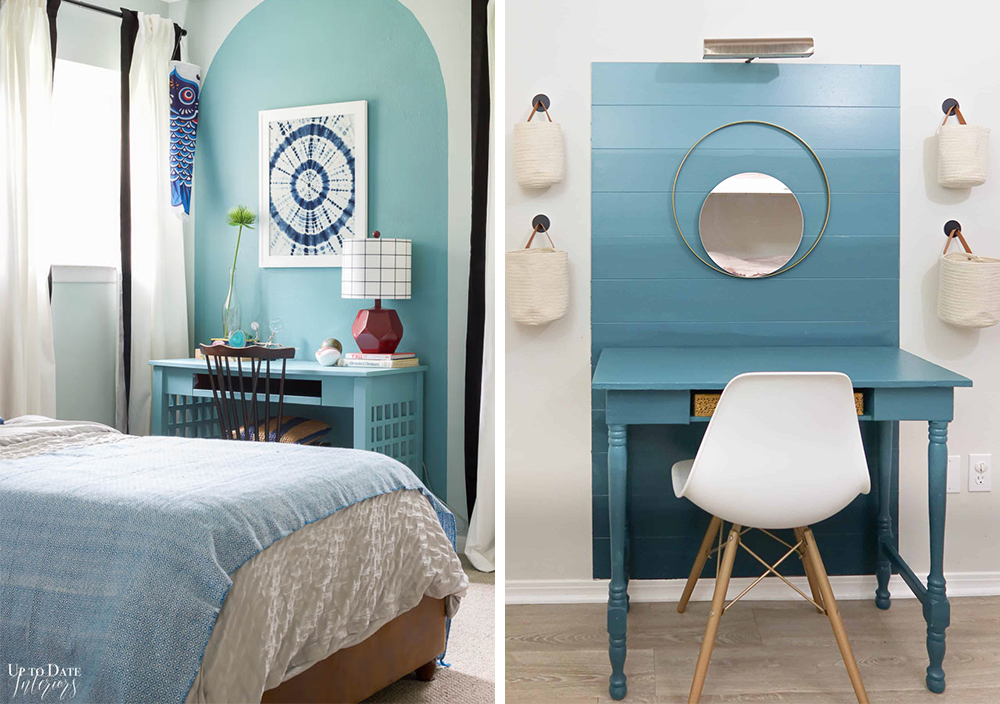
We’ve partnered with a few design savvy influencers in recent months who used primer and a coat of paint used to define their workspaces, and they are sure to inspire. Kathryn, from the blog Up to Date Interiors, used KILZ 2® All-Purpose Primer and KILZ® Paint to create a soothing blue arch behind her desk. Another fun and functional workspace came from Lindsey at Repurpose and UpCycle. Her ombre accent wall/desk combo came to life with the help of KILZ 3® Premium Primer and KILZ® Paint.
These visual dividers are pleasing to the eye and can even make your home feel larger when done right. Plus, it’s something you can do yourself. With primer and a coat of paint, KILZ can help you get more out of your home and make use of the space you already have.
Always remember to refer to our website kilz.com or product back labels for additional information on which primer is right for your project and detailed instructions on how to apply our products.
RELATED ARTICLES
get inspired:
FOLLOw us:
@kilzbrand
SHOP
PRODUCTS
Pro Spotlight: A Well Made Mudroom
March 23, 2021Today on The Perfect Finish we’re excited to spotlight Christy from Oak Hill Millworks. She is an all-around design and DIY pro, with exceptional skill in woodworking. KILZ® Primer was key in her incredible mudroom renovation project, read on to learn more!
Did you know that a well-made mudroom can change your mindset? – Christy, Oak Hill Millworks
Hey there! I’m Christy, owner of Oak Hill Millworks, a creative venture based in the greater Pittsburgh area that aims to educate, entertain, & empower. Most of the topics I focus on have to do with woodworking & DIY, which is why we’re here! I want to share with you how I used tried & true KILZ primer to help drive my recent mudroom remodel home. KILZ is a brand that I have used since I can remember. My grandfather was a cabinet maker and he himself endorsed KILZ brand primer. It’s just one of those brands you can rely on, you know what I mean? And honestly… with how problematic life has been over the past year with so many unknowns, using KILZ is a simple solution in my mind.
Speaking of problems, my old mudroom and I did NOT get along. It was all function and no form. It still had plaster and wood lath from the 1950’s – I knew it was going to require brand new drywall and some new built-ins for me to be really happy with the remodel. I knew I would have some unknowns to contend with because remodeling an older home can come with surprises like unlevel floors, out of square walls, and insufficient wiring. When KILZ offered to help out by sending me their primer & paint, I knew I was in good hands because like I said, with so many unknowns, it’s reassuring to have something you can depend on.
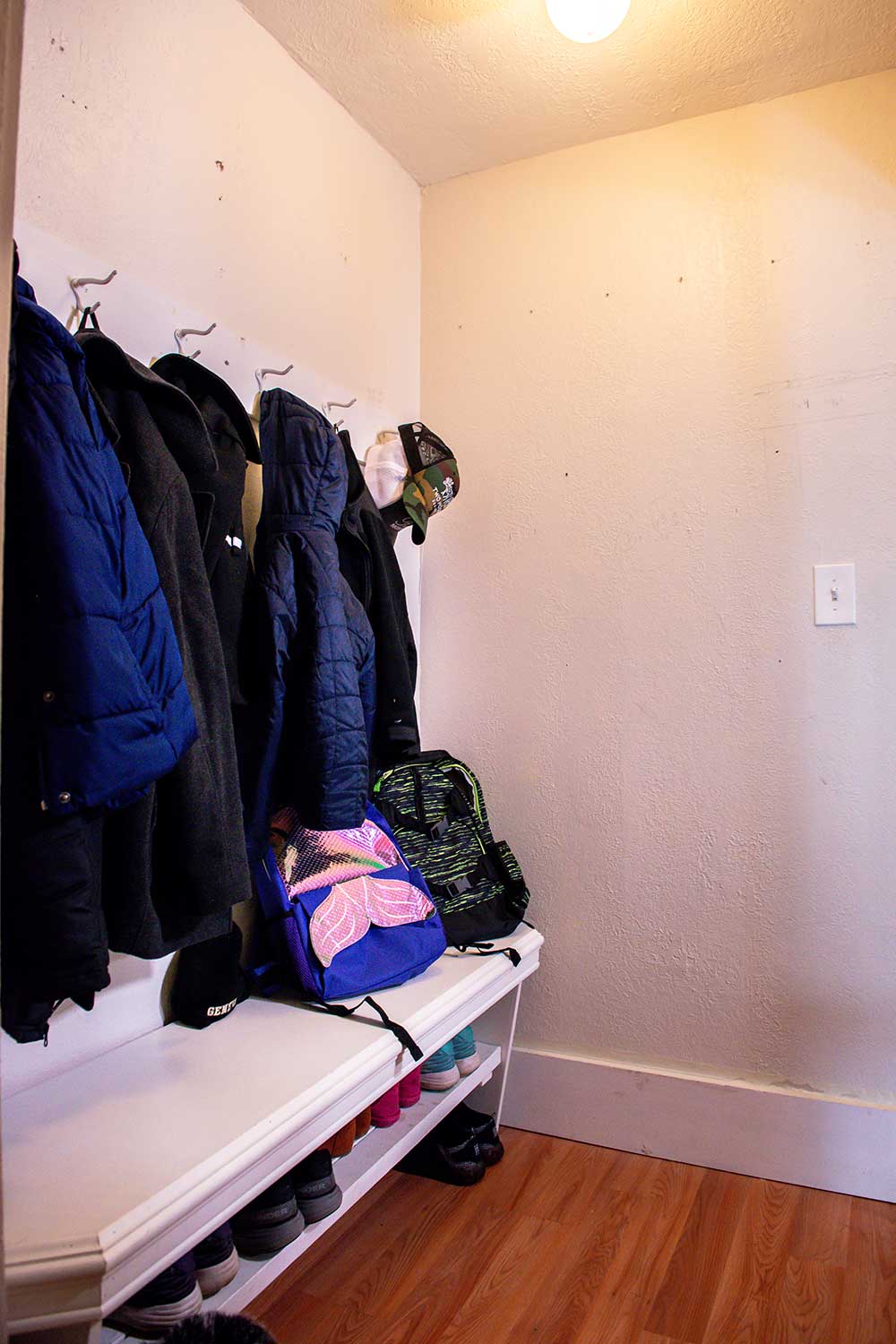
Day 1 was #demoday! I did my best Chip Gaines impression and just ran straight through the old wall. Noooo, I didn’t do that. After all, our living room wall was on the other side so I had to be pretty careful with the removal of the old plaster and lath boards. I even saved a bunch of the wood lath because I want to make something out of it to pay homage to the old mudroom. I had to remove the existing bench that held a lot of our shoes but just was a total eyesore. I removed old baseboard and trim around the door, did A LOT of cleaning, and began to prep for building the new mudroom from the studs up. Here’s what it used to look like.
After the new drywall was in, I installed my newly built bench and gave the walls an aesthetic facelift by adding board & batten. An important step to remember when doing any sort of DIY house project with wood, whether it is trim or moldings, is that you are going to need a quality acrylic based caulking to fill in any seams before you prime. Careful when selecting one – most are silicone based, which primer won’t adhere to as well. And just one more hot tip here even though this is not a blog post about caulk but I care about your sanity so I gotta say it: don’t go wild and cut a large opening for the caulk to come out of. The smaller the opening, the easier it will be to lay a nice bead of caulk down with a smoother finish. One less thing to worry about.
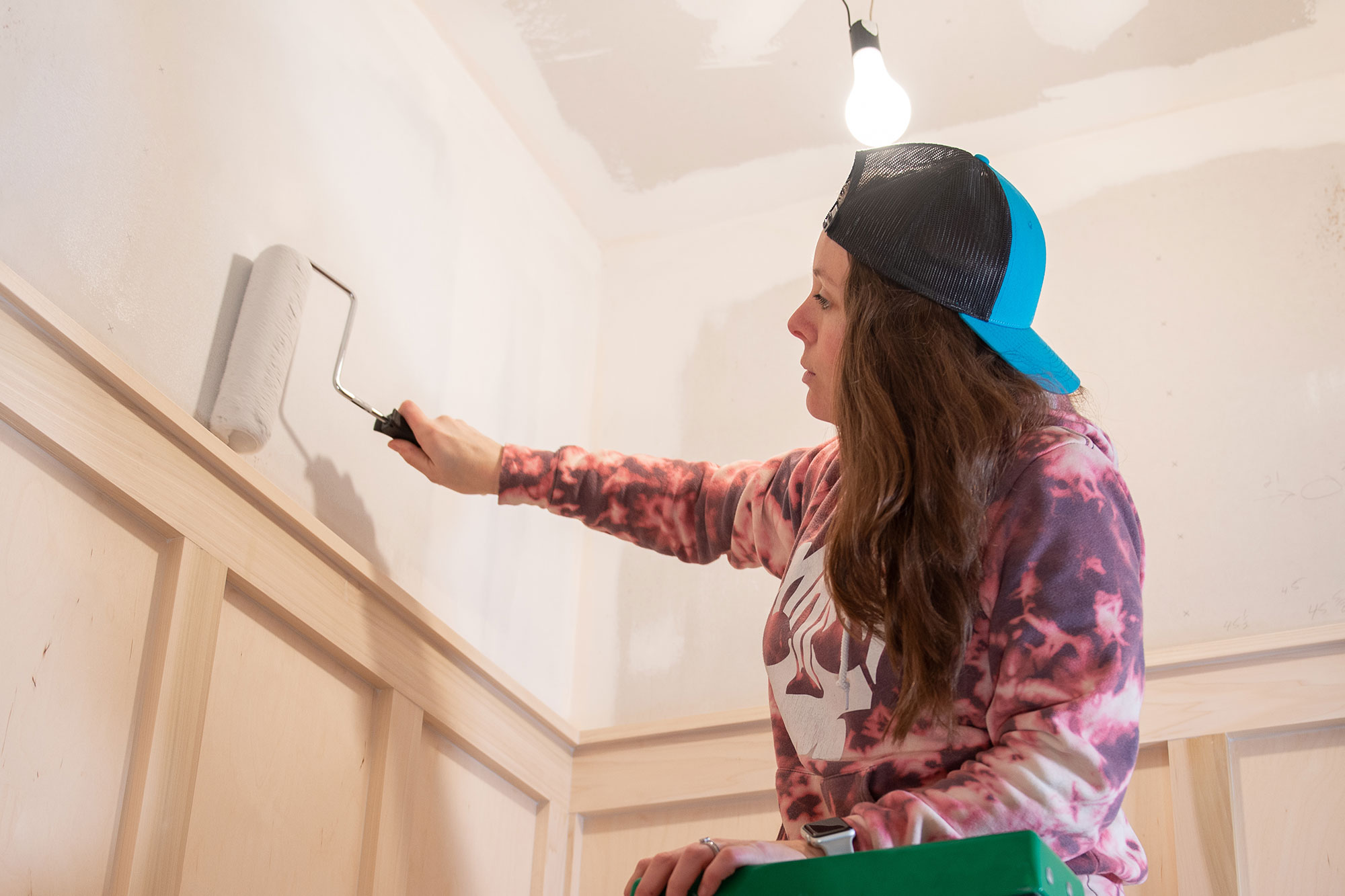
When it was time to prime, I felt like I could finally relax. I’m telling you, using a brand like KILZ is like lounging into your favorite spot on the couch… it just feels right. Yes, this is the homestretch of your project if you’re looking into paints and primers. But make no mistake, you need to finish strong! Laying a solid foundation for your paint is of the utmost importance. And I can’t stress this enough…. Take the time to prep your space properly by laying down some inexpensive plastic drop sheets and using a quality painter’s tape to protect trim, baseboards, or whatever is nearby that you don’t want to get paint on. It – takes – time. It’s not fun! But your paint job will be better because of it and you’ll be happier in the long run.
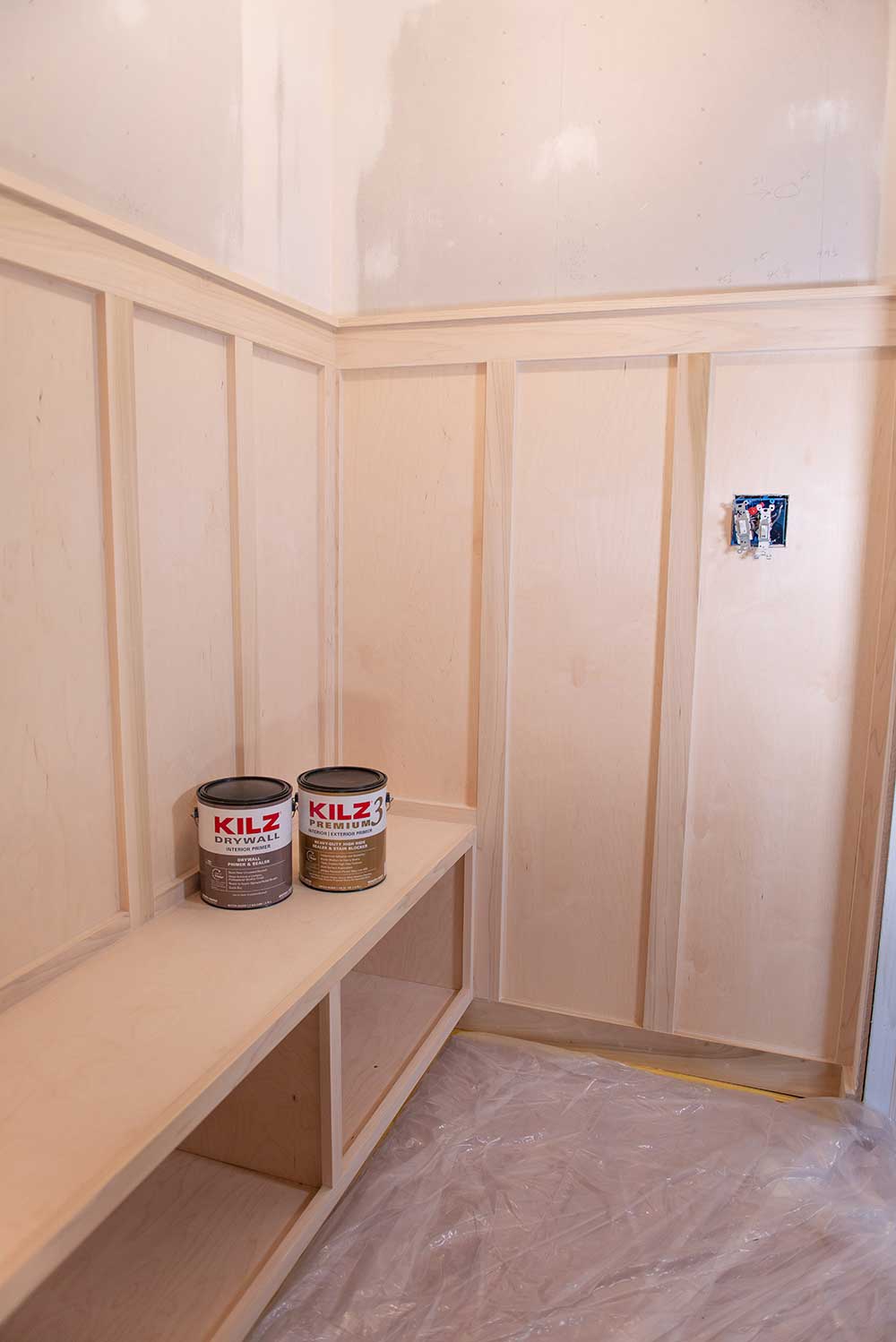
Have you ever used drywall primer before? Just a heads up, it is going to be thicker than you might expect it to be. I will say though, I have worked with thicker primers/paints and they have been somewhat unpleasant to work with because they are too thick and therefor difficult to roll on. I thought the viscosity of KILZ Drywall was just right and it was my first time using that specific primer so I was pleasantly surprised to see how quickly it coated the fresh drywall. I did two coats with fantastic coverage and that’s impressive for brand new drywall that tends to absorb the primer. And if you are wondering if your roller matters…. It does. I’ll let you know in the Q & A at the end!
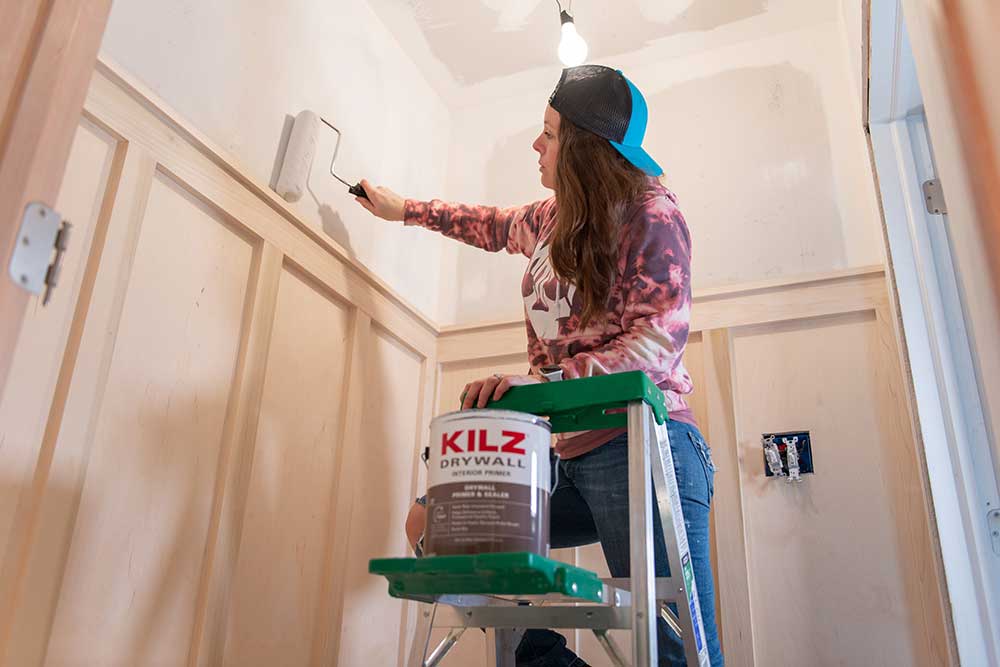
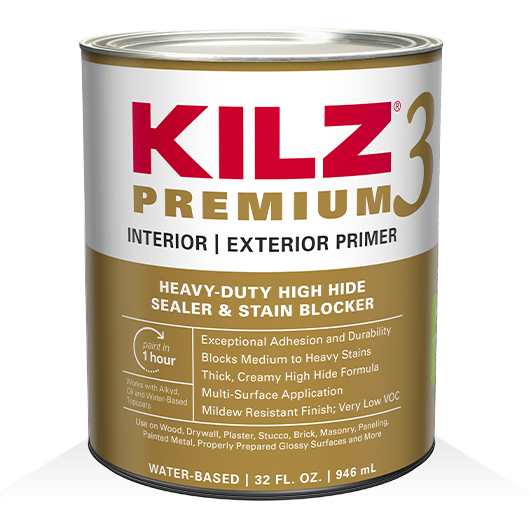
After the drywall got its first coat on, I grabbed KILZ 3® Premium primer and went to work beginning to prime the face frame of the new bench. A great primer like KILZ 3 Premium can make your DIY project a successful one, especially if you are using a knotty wood like pine. Knots in pine can release resins over time that can actually penetrate a layer of paint and leave you with an unattractive yellowish stain if you don’t use a sealing primer like KILZ to lay a proper foundation for your paint.
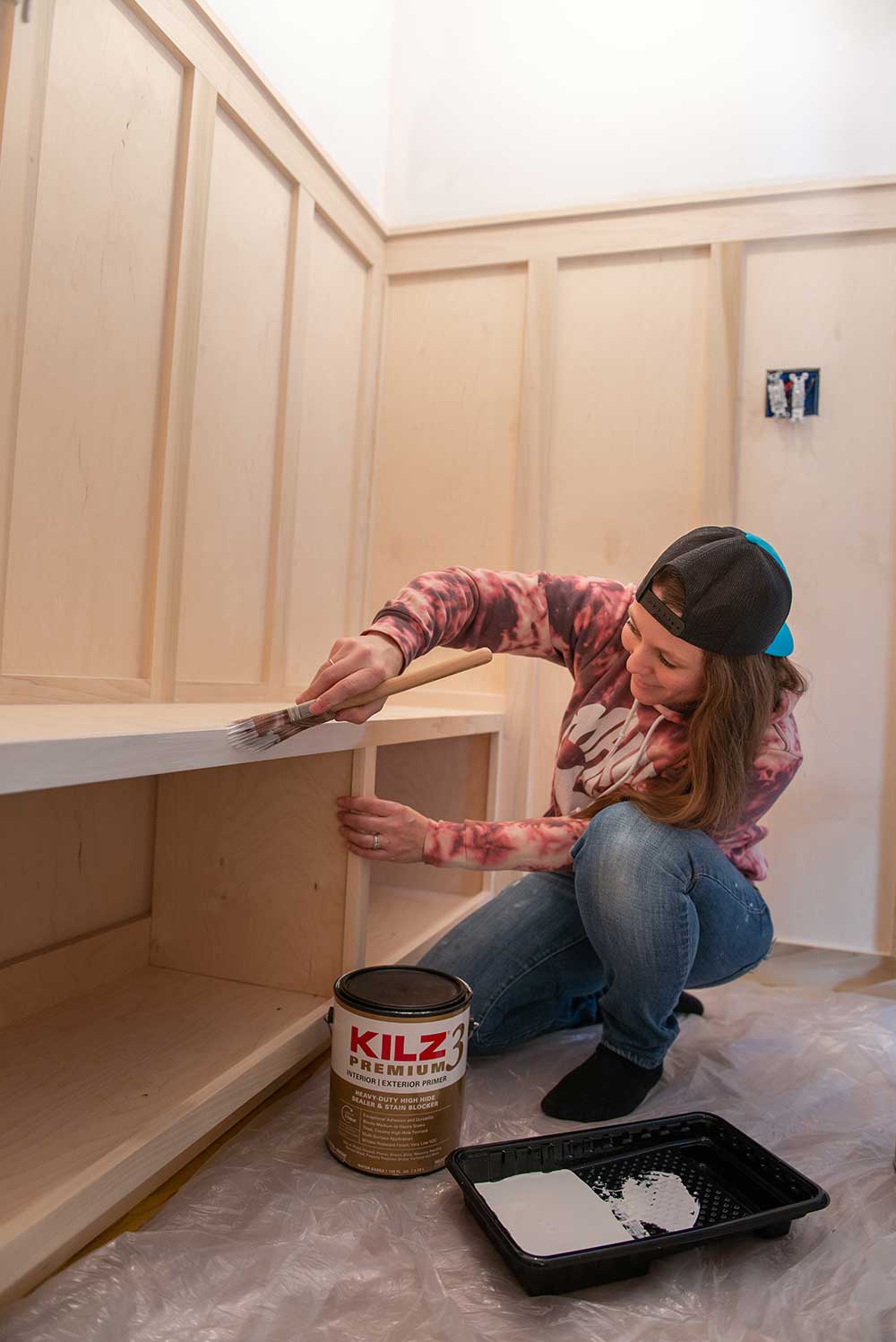
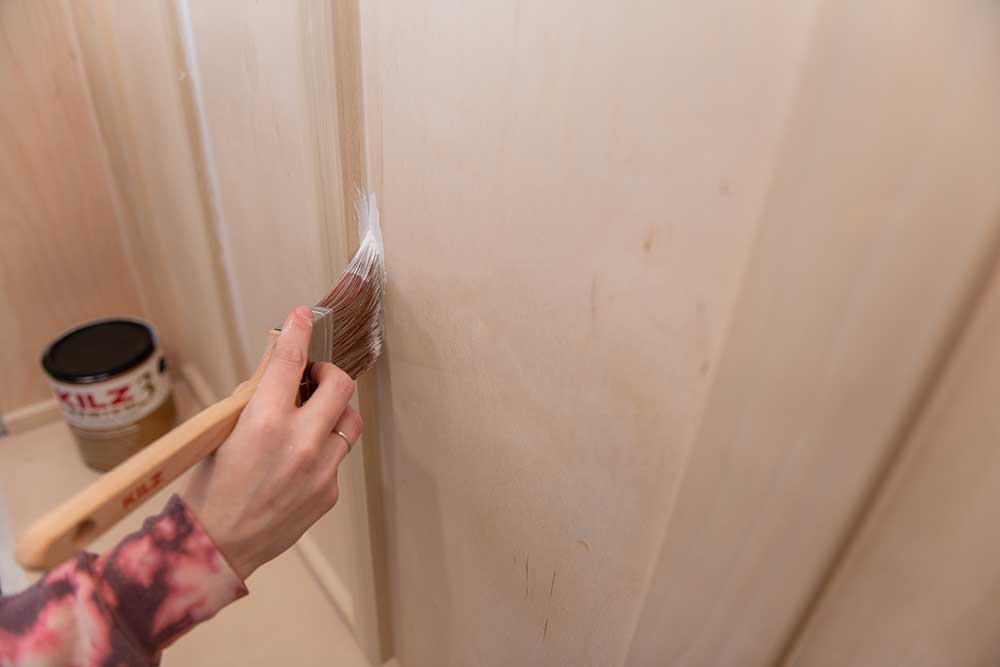
My next goal was to “trim out” the board & batten. This is when you use a brush to get into the corners and tighter spaces that a roller won’t reach. I like to trim out a few spots and then use my roller to fill in and slightly overlap where the brush left off. If you can manage to get the rolling going while the part you trimmed out is still wet, they will blend more seamlessly than it would if the brushed-on paint dries before you have a chance to roll the rest.
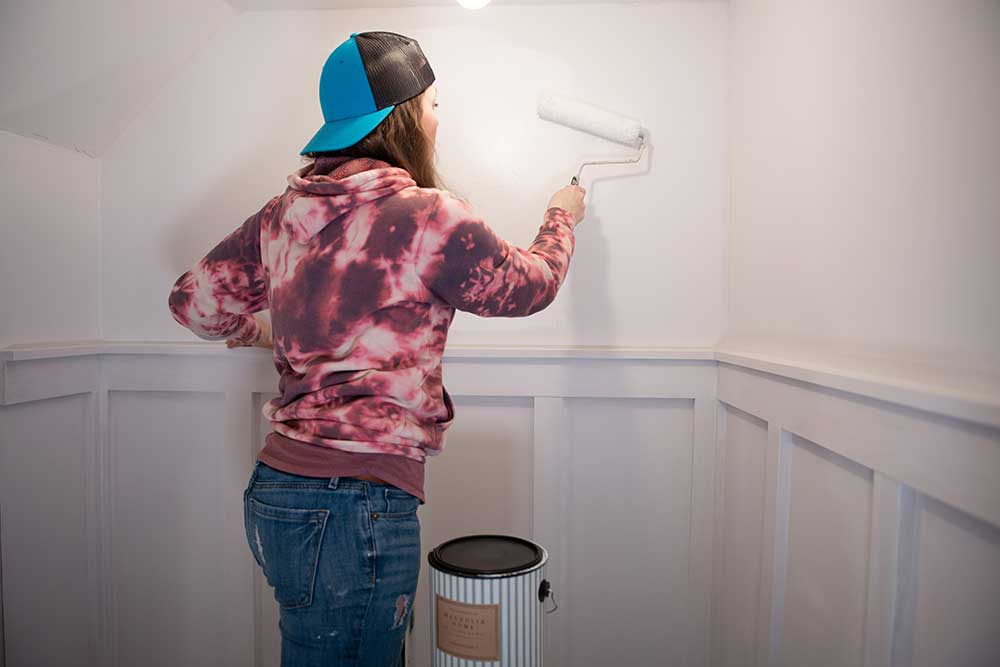
The primers both dried very quickly and allowed me to get to painting in just over an hour from when I applied the primer! It was incredibly helpful to be able to start AND finish priming and painting this room in a single day. I made sure to roll on the True White paint on the drywall first so that any accidental splatters would land on a primed bench below rather than a freshly painted one. If you don’t know this trick yet, you can always stick your roller in a bag or wrap it in foil and then put it in your refrigerator to keep the paint from drying if you need to take a short break.
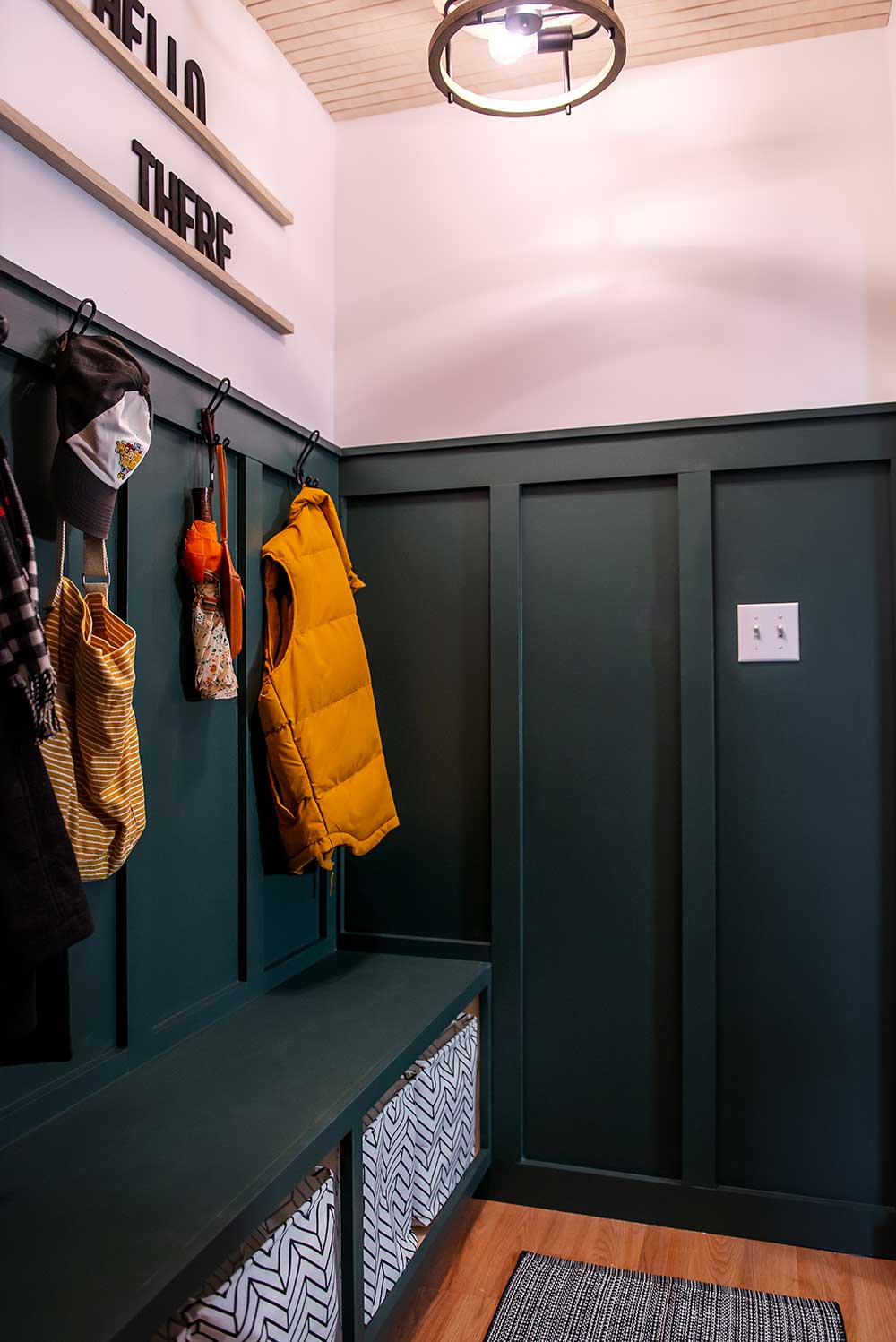
In three weeks, I had completely demolished the old room, rebuilt it, and given it new purpose. Instead of a messy drop-spot for our coats and shoes, my mudroom was transforming into a transition place. It was time to begin painting and I was growing more excited by the minute seeing my vision come to life. I had seen the new 1905 Green color from the Magnolia Home by Joanna Gaines® paint line and knew I had to have it for the board and batten and everything below it. All the things! I was gonna paint the town… green.
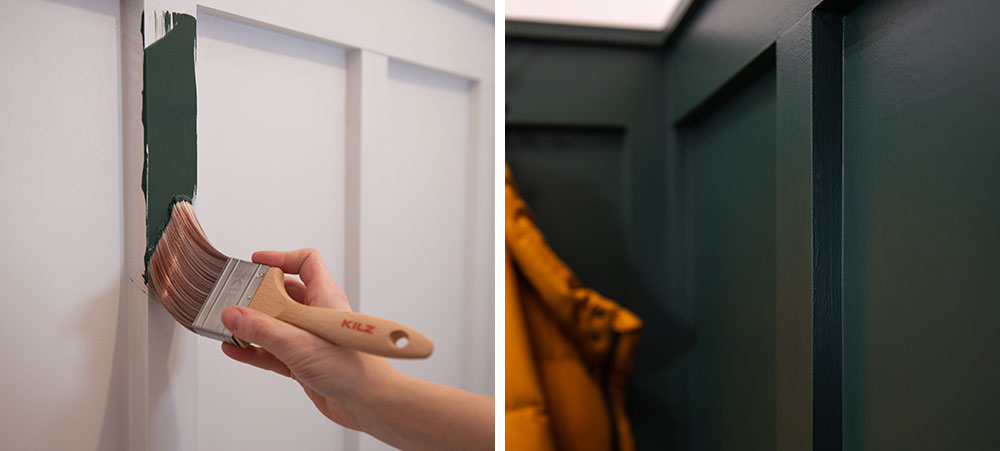
You see, when you take the time to properly prepare and design a space, you can redefine it. A mudroom can be more than just the designated place to kick off shoes and hang jackets – I believe it can be the room that shifts your mindset upon coming home Returning home to our old mudroom made me irritable because it was often cluttered and wasn’t my style. My new mudroom with freshly painted walls and customized to my liking all the sudden feels like a room with purpose. I don’t know about you but when I come home to clutter, my mindset tends to immediately be more on the negative side. It’s incredible what paint & primer can do to transform a space, and ultimately, your mindset.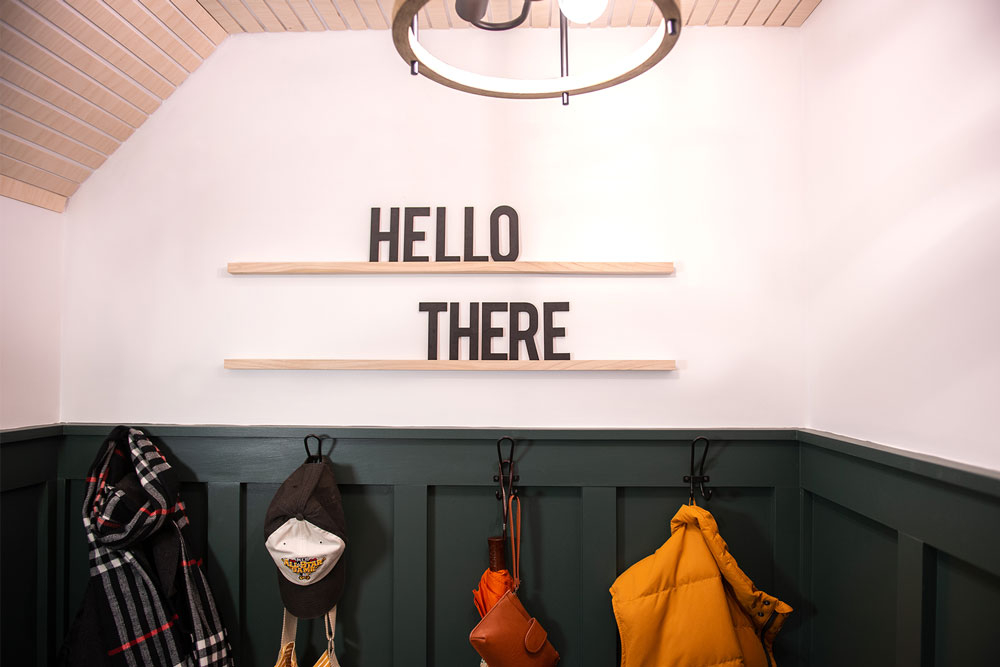
Quick Tips from Christy:
Q: I thought primer was just to cover up dark paint colors before painting with a new, lighter color. Do I really have to prime?
A: Yes. You do. Primers lay a foundation that is multi-purpose. Primer is not just to make the aesthetics of your paint more pleasing. Although this is true, you should primarily view primer as a sealant.
Q: A sealant?
A: Yep, something that seals another material like drywall or wood. KILZ brand primers come in a variety of types to serve specific substrates. For me, I needed a primer specific to coating new drywall. Drywall has zero protection against moisture and, in fact, is engineered in such a way that can actually make it pretty susceptible to attracting water. Priming with KILZ Drywall primer is going to protect your drywall from moisture. If we’re talking about wood, using KILZ 3 Premium can seal in tannins and resins that are naturally found in wood to lock them in so that they don’t bleed through your topcoat.
Q: Why is the moisture such a big deal?
A: Materials like drywall & wood are porous in nature. This literally means that if not sealed properly, they can take on water. What’s the big deal, you ask? Sometimes this is a really sneaky amount of water that you have no idea is accumulating in a space. Over time, water can grow mold… and I’m a nurse too so I’ll try not to bore you with the health implications here but mold can be extremely dangerous for people with breathing conditions like asthma.
Q: Does roller type/nap matter?
A: Yes, it does, and I’m not the type of person to buy the insurance plan for my cell phone if that gives you any indication on whether or not you can trust me when I say this: roller quality is real and you need to spend the couple extra bucks for the higher quality roller. A ½” nap will work in most interior painting applications.
Q: What’s one benefit of priming with KILZ that most people don’t think of?
A: A layer of primer beneath paint actually makes your topcoat more durable! With a young family, my walls see a lot of action. Sports bags get chucked at them, shoes get kicked off, and lots and lots of hands touch the walls. Durability is something that my paint needs to have!
Alright, there ya have it. Hope this was empowering, entertaining, or educational for you! Please reach out to me on Instagram at @oakhillmillworks with any other questions you might have. I’ll always do my best to help.
Christy
Always remember to refer to our website kilz.com or product back labels for additional information on which primer is right for your project and detailed instructions on how to apply our products.
RELATED ARTICLES
get inspired:
FOLLOw us:
@kilzbrand
SHOP
PRODUCTS

Magnolia Home: Inviting Entryway
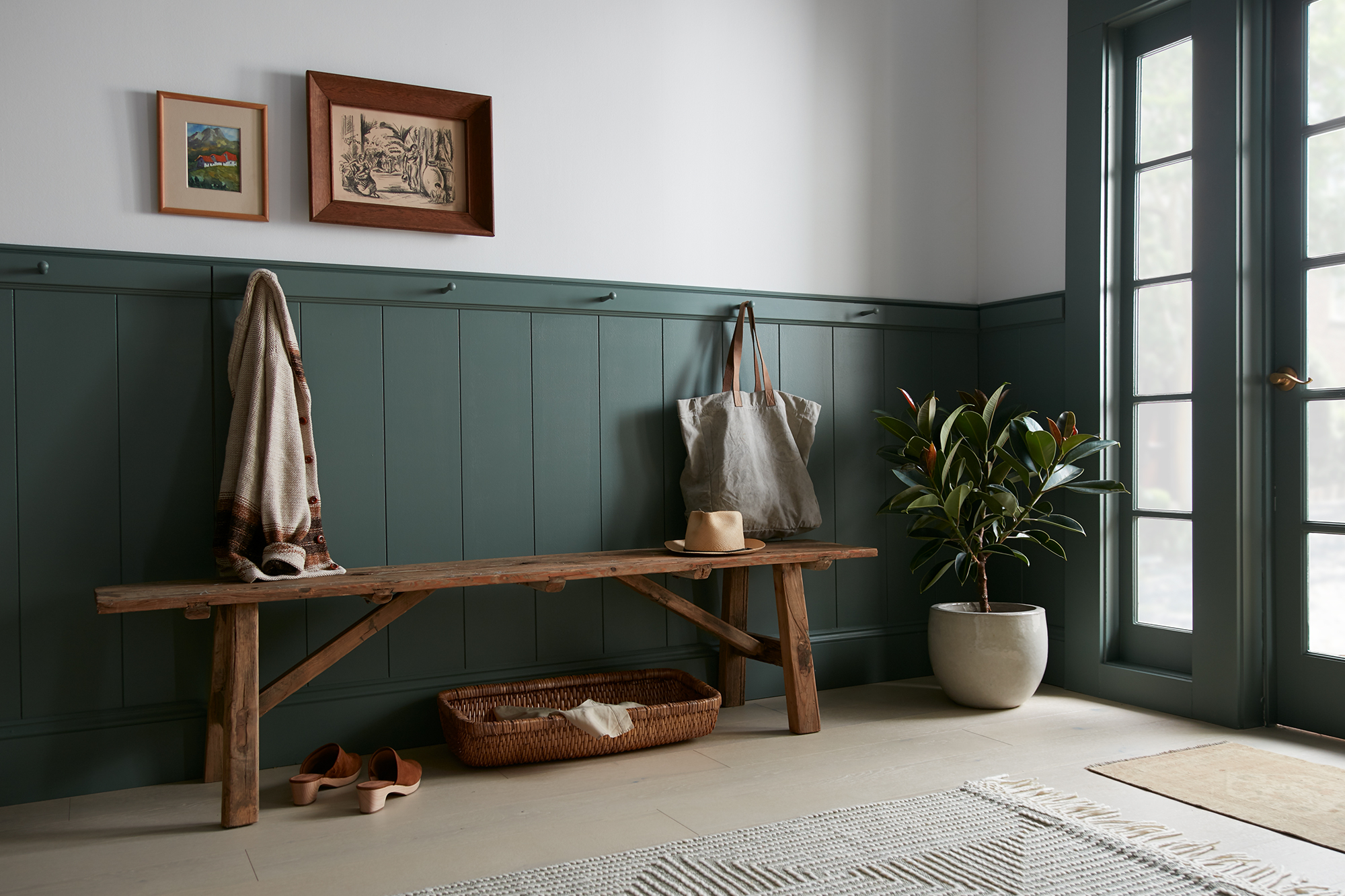
March 15, 2021The entryway is often your home’s first impression to guests and visitors, and it is a great area to make a statement with a striking paint color combination. This entryway has an elevated feel that brings the outdoors in with a deep evergreen gray from Magnolia Home by Joanna Gaines® paint. Aptly named Luxe, the nature-inspired green hue brings a depth and richness to the space.
“This entryway has a warm and inviting feel to it, and I love how the stark white contrasted with the deep green gives it a bold, yet timeless look.” – Joanna Gaines
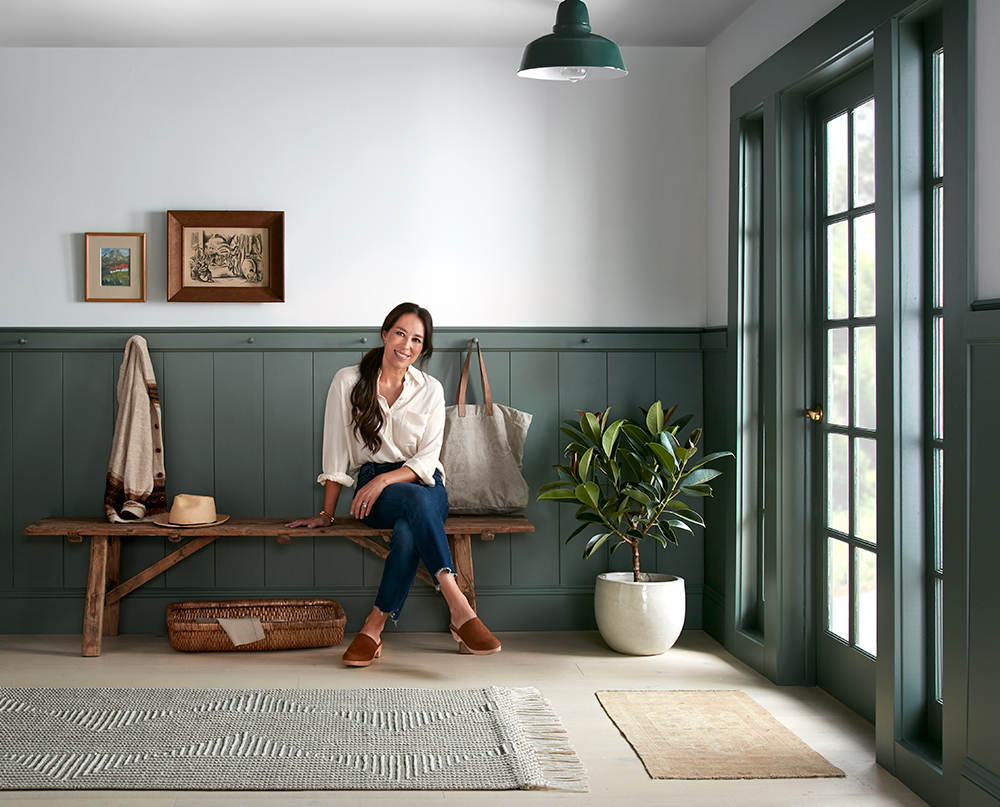
The placement of a paint color is just as important as the shade when you’re going for a statement-making transformation. The French doors in this entryway had a bold trim that was begging to be painted – and when coated in the same green as the wainscotting it created a seamless look and just the right amount of drama. The flow of green also served to draw the outdoors in, playing off the landscaping in the exterior.
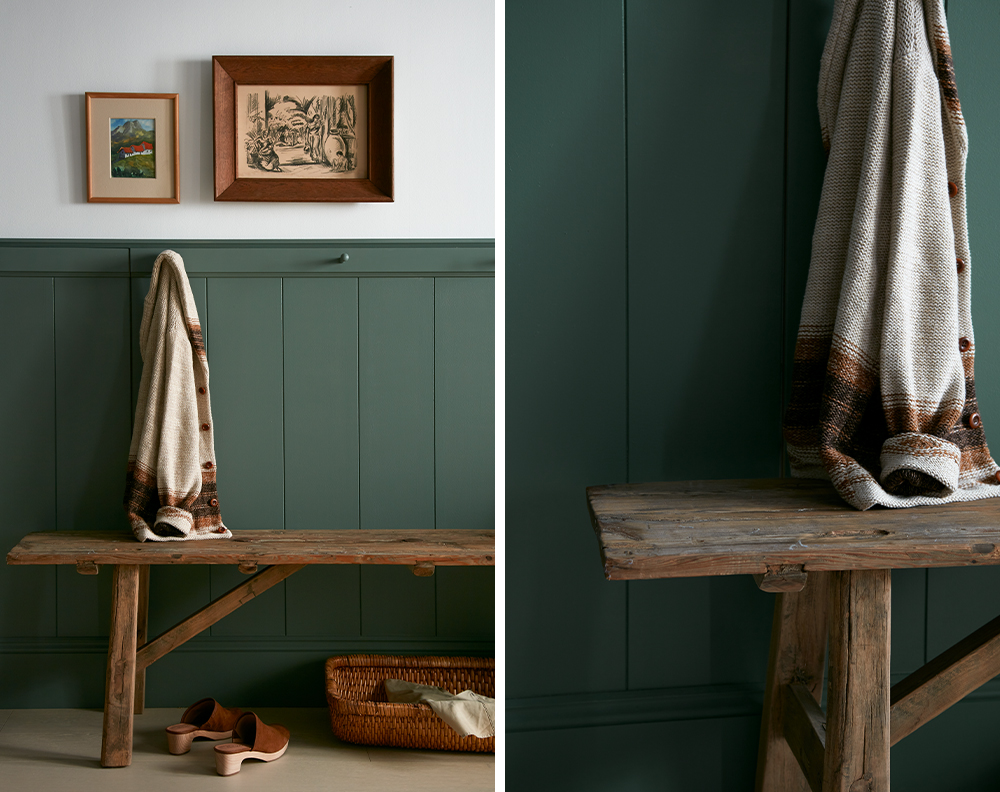
The timeless design of this entryway is accomplished with the perfect pairing of Luxe with the starkness of True White – a bright white that balances the rich green and emphasizes the space’s architectural elements. The bold green and white backdrop called for simple furniture and styling, with a perfectly placed wooden bench, simple artwork and pretty woven rugs completing the look.
Luxe and True White can both be found in the Market Collection, a palette of 25 colors personally crafted by Joanna Gaines. The entire Magnolia Home by Joanna Gaines paint line includes 150 timeless colors, making it easy to find a shade that’s perfect for your home.






Magnolia Home by Joanna Gaines paint is available at select Ace Hardware store locations, and online at AceHardware.com and Magnolia.com.
RELATED ARTICLES
get inspired:
FOLLOw us:
@kilzbrand
SHOP
PRODUCTS

Smart Spaces with Emily Henderson
February 19, 2021One of the biggest design “trends” we’re seeing as we move into this new year is multi-functional spaces. We put “” around the word trends, simply because while we are seeing plenty of beautiful multi-purpose spaces pop-up, the trigger for these transformations is often an essential need. The need for a place to log on to your zoom calls that isn’t your couch or kitchen island, the need for kiddos to have a place to do their schoolwork that doesn’t devour the dining room table, and even the need to have a place for some peace and quiet (meditation corner anyone?) since the local yoga studio is still closed.
Functional spaces are key to thriving in 2021, so why not make them beautiful too! One of our favorite interior designers and great friend of the KILZ® Brand, Emily Henderson, is a true pro when it comes to designing spaces that not only look amazing but work hard to meet her client’s needs. And like any seasoned designer, Emily knows that proper prep work is essential to professional quality results for every project both large and small. We sat down with Emily to get her tips and tricks for creating multi-functional spaces, learn how she properly preps her projects and get a sneak peek at a home office reveal she’s currently overseeing.
Hi Emily! We’re so excited to have you on the blog today. You’ve been a KILZ fan for some time, can you share what you love most about KILZ and why you trust KILZ products for your own projects and for your clients?
Hiya, thank you! A couple things: first – and I think this is the biggest one – it’s just a huge time saver. And it emboldens us to take more risks. And lastly, I guess it’s just a good, functional product. I can elaborate!
I think it’s a pretty commonly shared opinion that painting is the most affordable, most impactful thing you can do to change the look of the space. I agree with that! But if you want to make sure that your paint job actually looks good, you’re going to want a great blank canvas behind it. KILZ is the brand that all of our painting contractors use to prime our spaces, so there was a default level of trust there already – if you’re ever on a construction site before paint goes up, I’m sure you’ll see tubs of KILZ everywhere – but they use it because it makes their lives easier. Walls are smoother, paint sticks better, some of the primers even have mold- or mildew-fighting properties. (We used one of those primers in our windowless basement bathroom.) Instead of schlopping on coat after coat of paint and hoping for even coverage, it’s nice when you can just prime and then roll out two coats.
But also, it’s fun to have KILZ in your back pocket. My team in particular has been able to go crazy with paint in their apartments – you know, like green trim in the bedroom or purple stripes in the bathroom, but done tastefully! – with the knowledge that they’ll be able to change it back easily when they move out without losing their security deposit. We are genuinely big fans.
What’s one project in particular that you couldn’t have completed without KILZ? And which primer did you use?
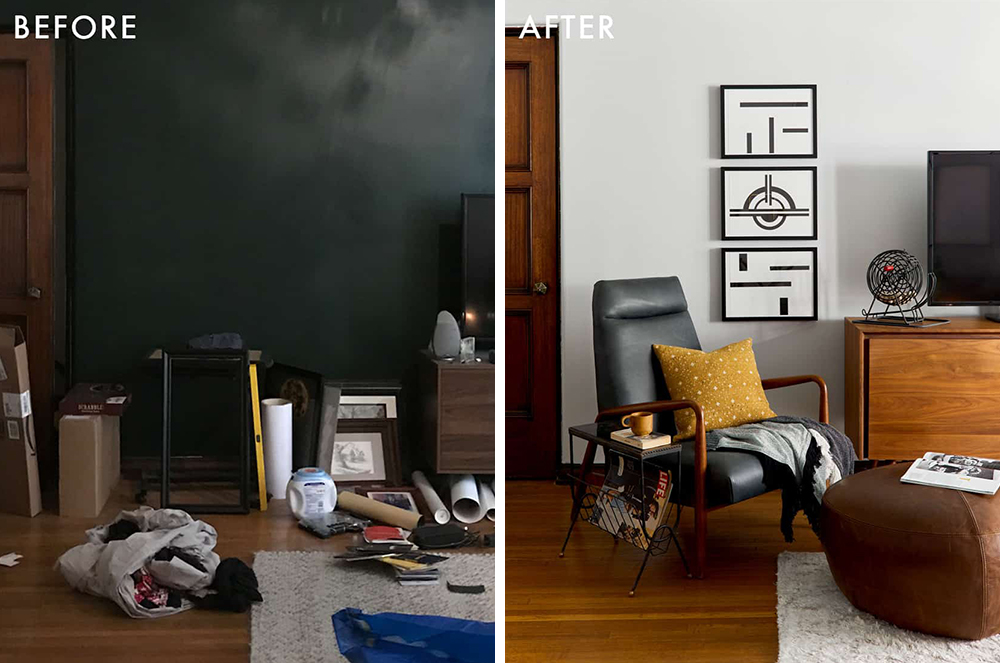
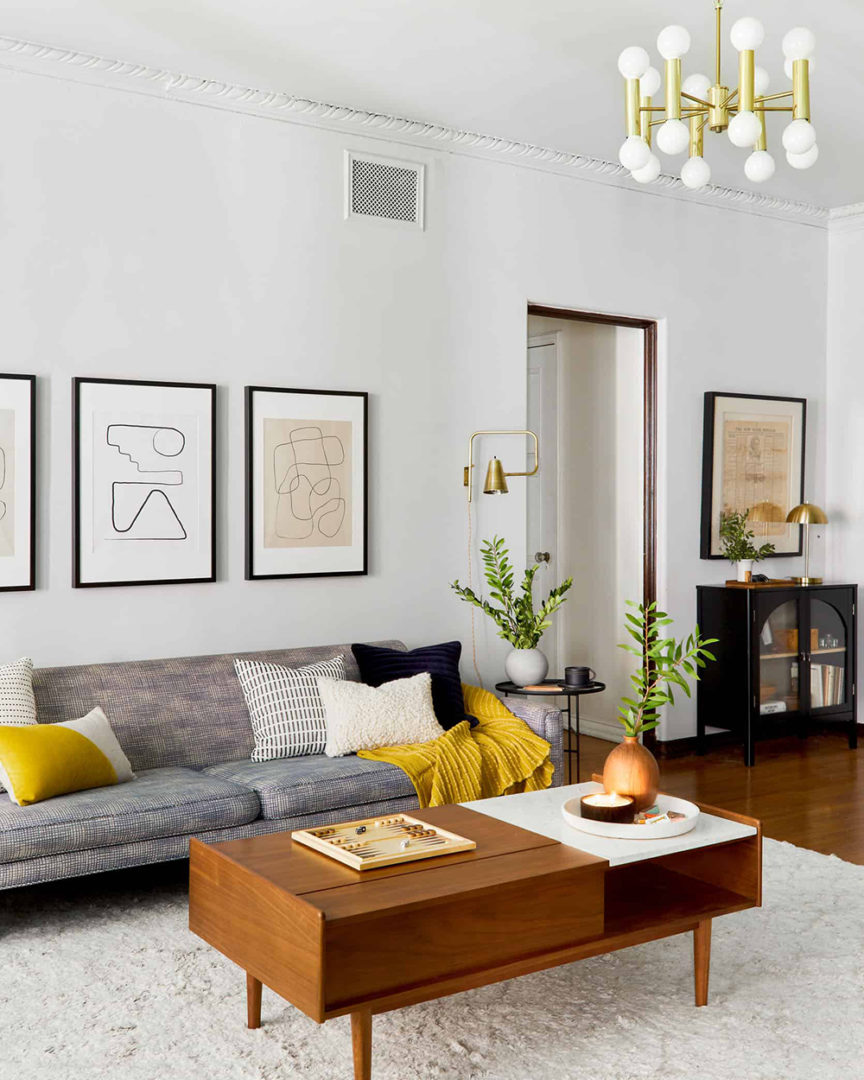
Oh boy, where do I begin? Top of mind would be this living room that my team, lead by Julie Rose, just finished. It was in a historical LA building, right off the first-floor courtyard, and it was dripping with charm…but that black accent wall wasn’t doing any favors. It was just bumming us out. There was only one window in the space, which faced into the heart of the building, and it just made the room feel dark and depressed.
There were a couple problems in the space that we all deal with – not a ton of storage, a pass through layout, you know, the classics – but the main one was really that this wall was overshadowing everything in the space…literally. So we settled on painting the whole space, including the trim, in ‘Chalk Gray,’ brought out our painting contractor and he primed the whole wall in under half an hour – our photographer, Sara Tramp, had popped in to grab progress shots and he had already almost finished by the time she was set up and ready to go.
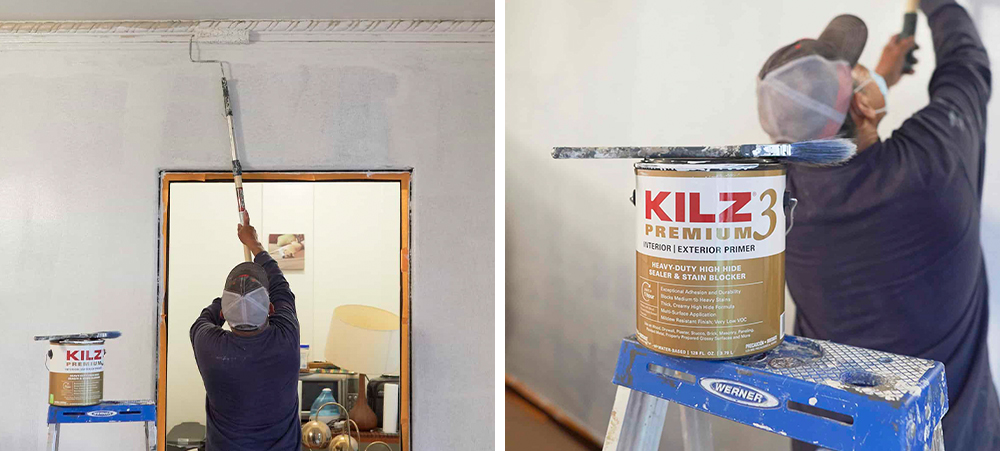
Those photos were taken after one coat. One coat! Do you know how long that would have taken to cover up with just white paint? We ended up priming every wall in the apartment so we’d have a nice, even base and a clean backdrop for our new gray walls and by the time we finished, it was such a beautiful space. The before and afters were staggering. It was like we had breathed new life into the architectural details – once everything had been cleaned up, you could finally see the beautiful moulding and the warm wooden details actually stood out. I’m so proud of how this one turned out.
Now let’s talk about prep. What is your advice for a novice DIYer looking to take on a painting project? How much time should they allocate to prep and what steps should they absolutely not skip?
If you’re painting the whole room, take the time to do it right. Sure, you can change paint, but not in the same way that you can swap out a throw pillow or blanket. Before doing anything else, I’d recommend taking 10 minutes to look around and to find and fill all your tiny nail holes or hairline cracks. If you ignore these things and paint straight over them, your eye is going to be drawn straight to them every time you walk in.
My team is split on the value of painter’s tape – actually, my photographer recently painted all of her closet trim freehand after installing a gorgeous wallpaper, out of fear that any tape would pull it off – so I think that if you have a pretty steady hand and a couple of baby wipes, you should feel free to go proceed without taping. You can also throw down drop cloths and make sure to move all your furniture out or to push it to the middle of the room and cover it!
From there, I’d recommend jumping straight into priming. For an average sized room – let’s say 11’ x 12’ – it should take about an hour or two, plus it’ll save you a ton of time on the back end, since you won’t need to paint as many coats to achieve vibrant coverage. The whole process, from filling holes to moving pieces to priming, shouldn’t take more than half a day and it’s definitely worth it.
Like we mentioned in the intro, you’re a true pro when it comes to designing multi-functional spaces. What are the key things you consider when presented with a project to create a room that will meet various needs?
Wow, thank you! There are three big questions to ask: who is using the space? What are the functional requirements? And how do you want it to feel?
For example, a multi-functional space shared exclusively by children, like a playroom or a homework room, and a multi-functional space that needs to work for the whole family, like a rec room, need to be designed differently. A room for kids will have softer pieces to abate the potential for injuries, more open floor space to encourage play, more nooks for alone time, etc. whereas you may float more pieces in a whole family space to encourage smaller zones for each task at hand.
Once you’ve nailed down who is using the space and what it’s for, the most important thing to figure out is how you want it to feel. Try to pick a few words that describe the vibe you’re going for. On my team, some favorites recently have been “warm grandpa library,” “bright art deco discotec,” and “moody old world restaurant.” Picking how you want it to feel when you walk in will really help dictate pieces, layout, and will remove a layer of design analysis paralysis that I think we all struggle with occasionally.
Home offices are by far one of the most popular spaces we’re seeing people DIY. What is your favorite office project you’ve completed recently? (And did you use primer?!)
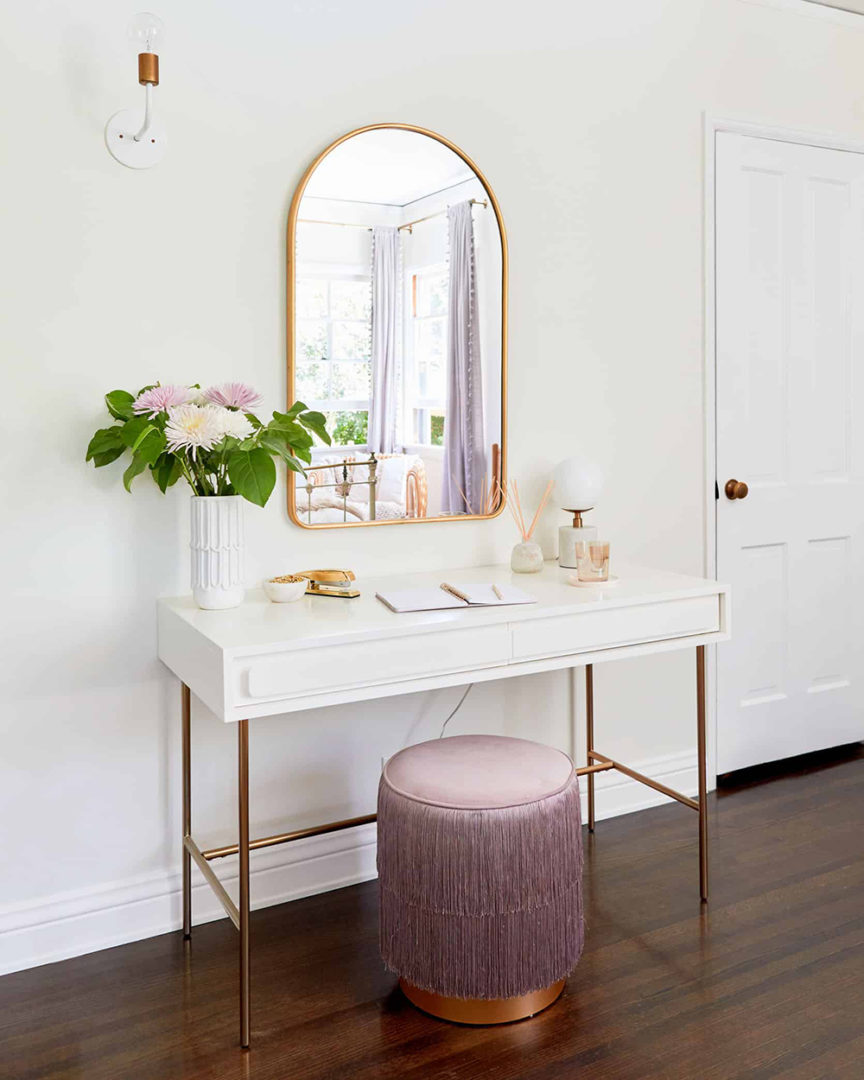
Did we use primer? You jest. Of course we did! My team, again led by Julie Rose, recently finished this teenager’s bedroom makeover, which obviously had to include a multifunctional office space for some homeschooling. I actually designed this space about a decade ago, so it was thrilling to be able to work on its update.
We ended up choosing this vanity in particular because of its size and storage – it wasn’t too heavy for the space and it can pull double duty as the perfect sized desk for a high school student who’s currently just learning from her laptop.
I guess that rolls into my main tips for folks looking to build an office or WFH space. Look for pieces that can serve a few purposes that you’ll still want to look at after you’ve returned to work or school. If you’re able to, try to grab a desk that’s the appropriate scale for your room. This one is a great size for a teen, though I know that some adults will need more space and closed storage. Finally – and the tip I love the most, as a stylist – see how you can accessorize your WFH or homeschooling space to make it feel a little less sterile. The mirror above this desk in question is across from the windows, so in addition to being a great place to get ready in the morning – there’s a cabinet with closed storage in the room, too, in case you’re wondering where the non-school products are kept – it also does a great job of bouncing light around the room.
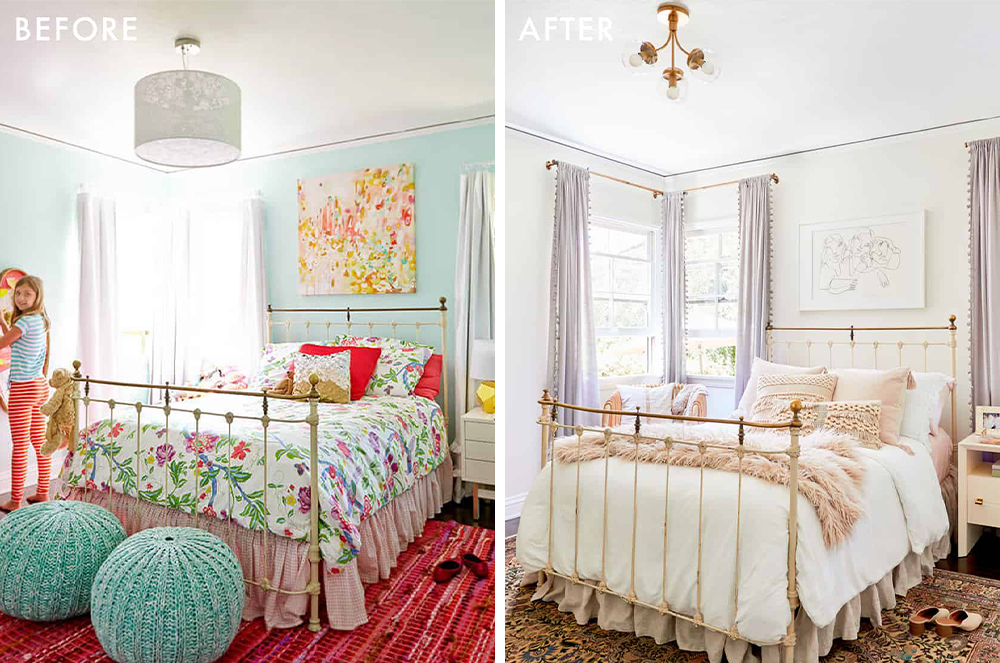
You know I couldn’t leave without a paint transformation photo. Just such a bright, happy, serene bedroom and homeschool space!
One of the biggest woes of a home-office-lacking DIYer is that they just don’t have space for an office. What creative hacks or solutions have you seen to create an office in a small or unique space?
OH BOY. Let me tell you about the project we’re working on right now with one of my favorite new designers, Keyanna Bowen! She’s figured out an incredible way to separate her space and I can’t wait to see it all finished.
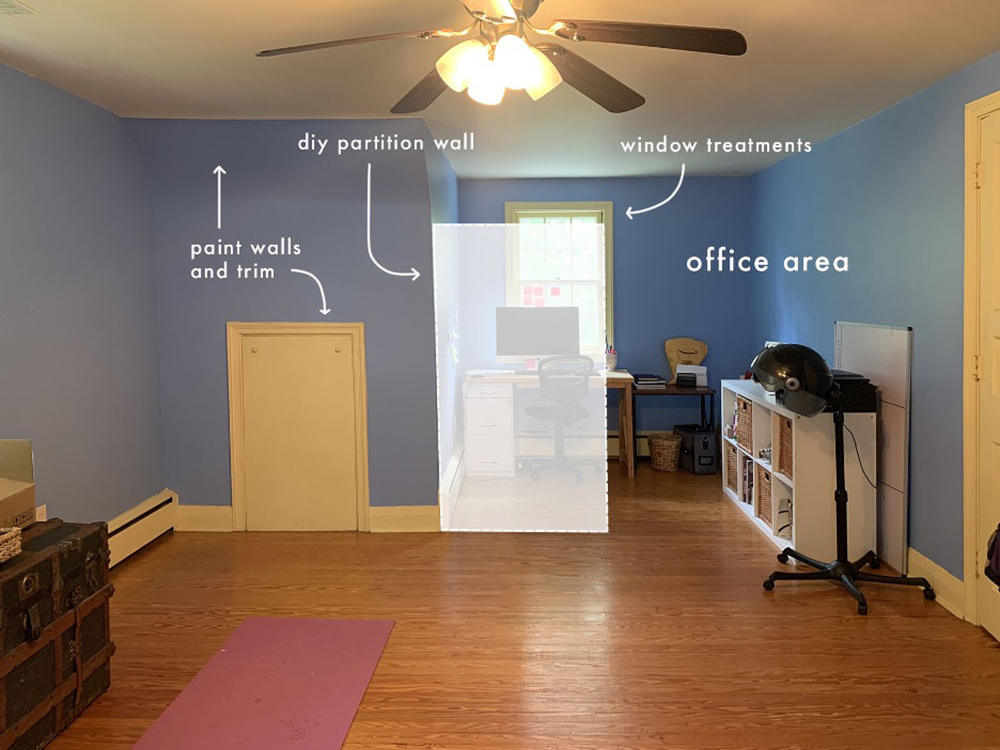
Here’s where we’re starting from. Beautiful! Just kidding – there’s obviously a ton of charm in this room, but it just needs a little bit of a boost. Keyanna wants this space to still serve as a guest room and as a yoga space, so we can’t go all-in on just decking it out as an office. I’m sure that’s a problem most folks at home are familiar with, too! Key’s plan, though, is awesome: she’s planning on building a rope wall partition. A rope wall partition! It’ll hang from the ceiling and it will still let in light while defining the office as its own separate space.
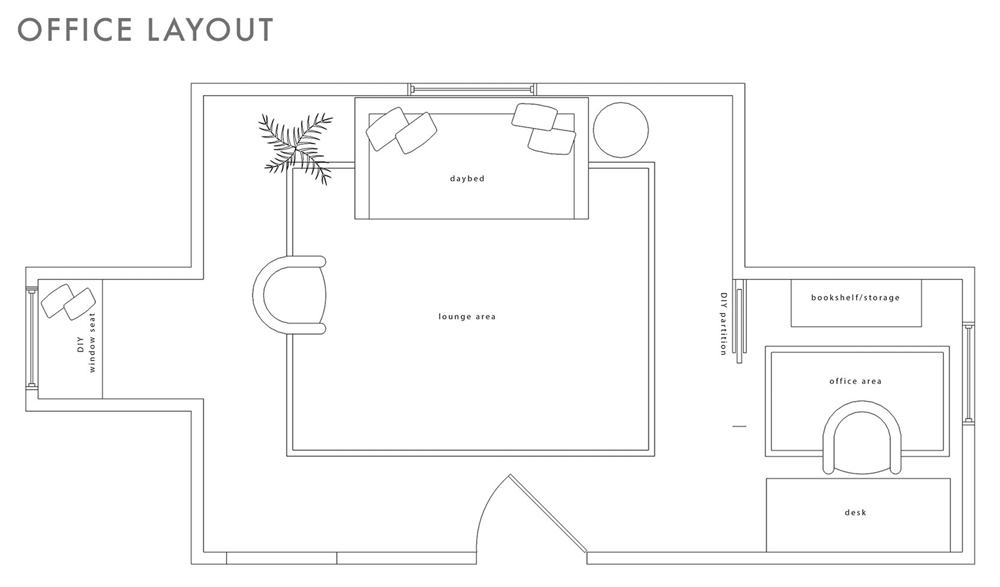
Over the past year, I think my favorite WFH spaces or DIY offices have been the ones where folks have turned their closet into a whole desk setup (long live the cloffice!) or folks who, like Key, have figured out a functional way to use a previously-awkward nook. I’m so inspired! If you aren’t blessed by architecture, though, the idea still stands: is there a way to carve out a corner of your home with privacy screens? Can you hang a similar partition in your living room to give the illusion of a separate workspace? The possibilities are endless.
A word we hear a lot when talking about multi-functional room design is zoning. Can you share what exactly that is and some tips to do it right?
I love a zone! I talked about it a little earlier, but it’s really about figuring out how to clearly define the different functions that take place in each part of a room. The best part: it’s very easy to do! You can set up separate zones in minutes by anchoring areas with different rugs. Key does it beautifully above, with the office and lounge areas both being really clearly defined by their rugs. It makes total sense, because when our brains see different flooring, they think, “oh, different room.”
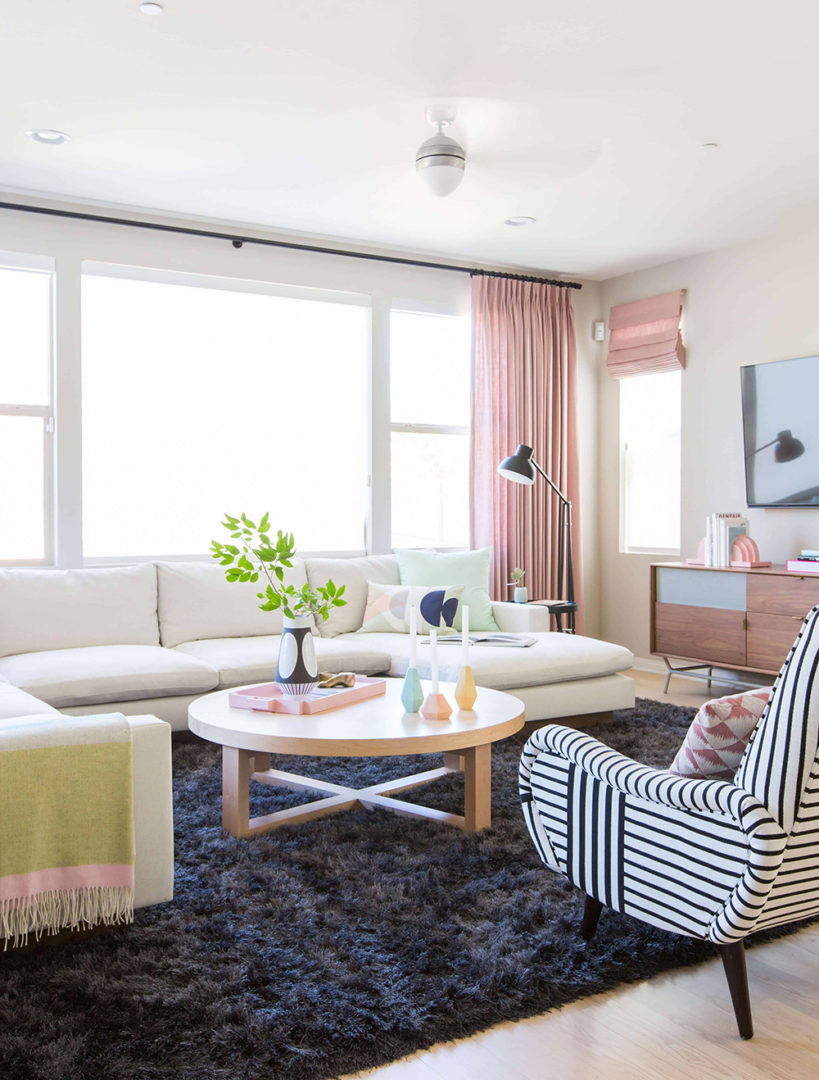
Zoning is really essential for folks with open concept layouts – especially now! So in this project – from 2016, oh my gosh, though it’s still one of my all-time favorites – we created a huge and comfortable family room by flanking this super-soft rug with a huge, u-shaped sectional and two graphic chairs. It’s bright and open, but still definitively its own space.
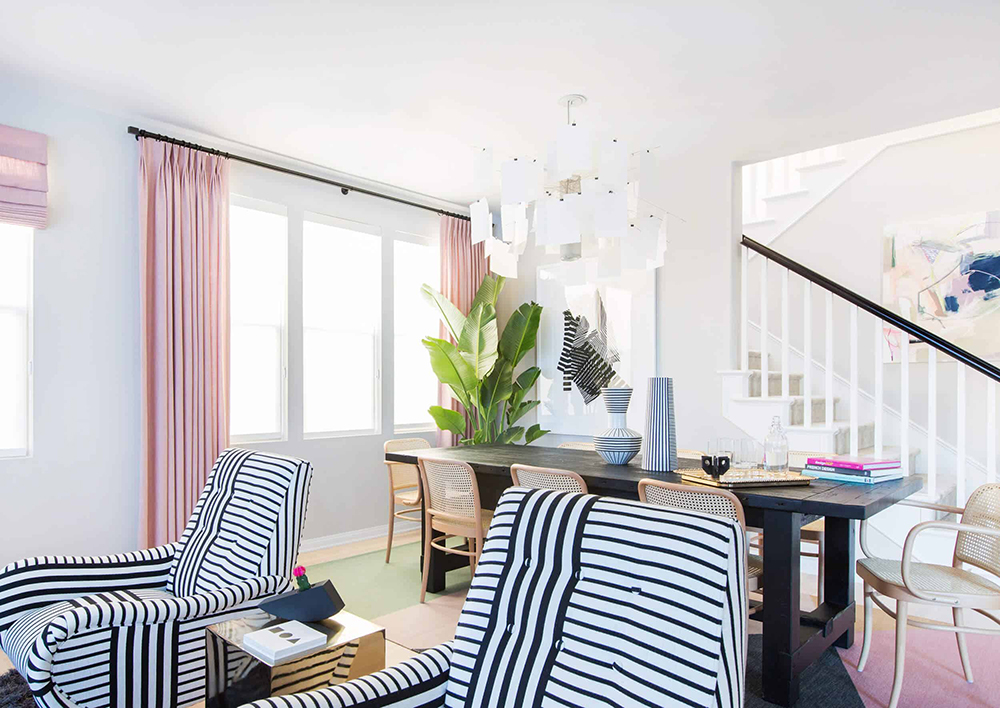
A few feet away, and anchored by a flat, easily-cleanable dhurrie rug, is the dining area. You’ll probably notice a lot of repeating elements: graphic hits of black and white, light woods, and pastels. Keeping a cohesive color palette isn’t always necessary – I am all for exploring, playing, and getting weird – but it does make the design process easier and it’ll make your rooms feel more relaxed and comfortable.
Switching gears to home-school rooms and kid’s study spaces. What was the biggest hurdle in creating a functional space for little ones?
Making spaces so that kids will actually use them! I think that a lot of the time, design-minded people like myself can get really hung-up on the vision. We want to make something beautiful and impressive and worth sharing, but kids don’t necessarily share those same motivations. They just want a fun place to play, learn, and explore.
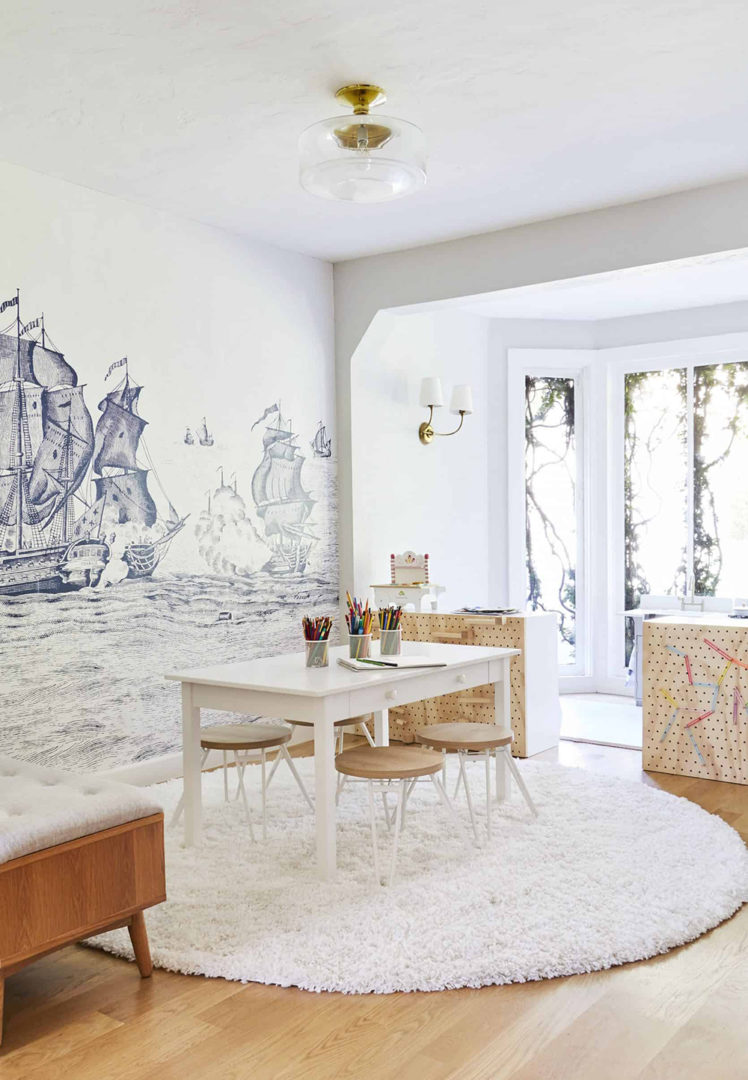
The playroom is actually the space I struggle with most. My kids are still very young – 5 and 7 – so we’re early in the homeschool process, but they love art and playing with legos, so once I chose to design for those two hobbies in particular, it immediately became more functional and the kids used the space way more.
To that end, I’d ask: what do your kids like doing? How does your child actually study or do homework? If they love drawing, give them a space for that and relinquish your dreams of them ever actually wanting to play with the enormous dollhouse you bought in the hopes that you could play with it together. (Speaking to myself, here.) If you build it, with your kids and their specific tastes and interests in mind, they will come.
Can you share a recent personal or client projects you’ve done that included a room for kids? And of course, we want to know how primer came into play!
I’m in love with this room that my team, again led by Julie Rose (are you sensing a theme here?), recently completed for a little girl. We wanted to make a magical bedroom with a specialty art area and I think we really made it sing.
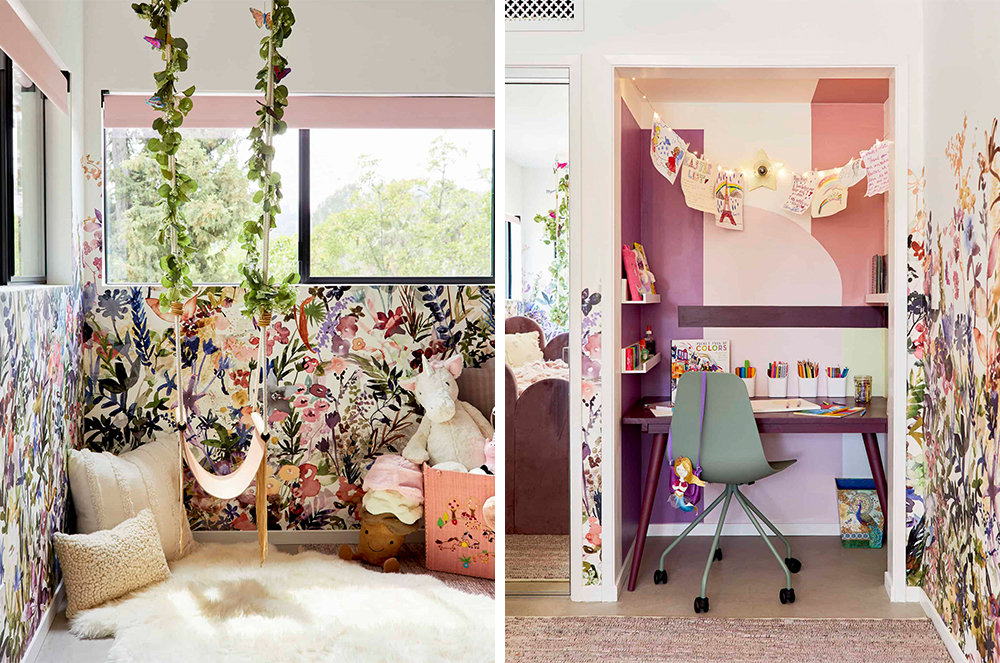
As for how we used primer – it went everywhere! We actually primed underneath the wallpaper, per our installer’s recommendation. It covered up the previous paint and served as a plain backdrop so that the white pieces of wallpaper would appear clean and fresh, but it also worked as a bit of a barrier so that the wallpaper paste didn’t bond with the walls too much. While wallpaper is pretty permanent, priming first can make the removal process a bit less painful in that you won’t need to worry about ripping off chunks of drywall by accident.
We also obviously had to prime that art nook so that all of our magical, fairy-inspired colors would show up. We love the way it turned out and so did the family.
Before we wrap up, let’s talk about the project that we’ve partnered with you on… that also includes your design mentee Key! Can you tell us about her, the project and give us any sneak peeks?
Woops, I guess I already spilled the beans a little bit on this one, but I’d love to talk more about Key! Earlier this year, my team and I decided to take on a mentee – I’ve been so incredibly fortunate to find success in this field and I’m now surrounded by people who are experts in editorial and social and more, so I wanted to share the wealth and hopefully, help more folks find long-term career stability in this weird world of internet design and influencing.
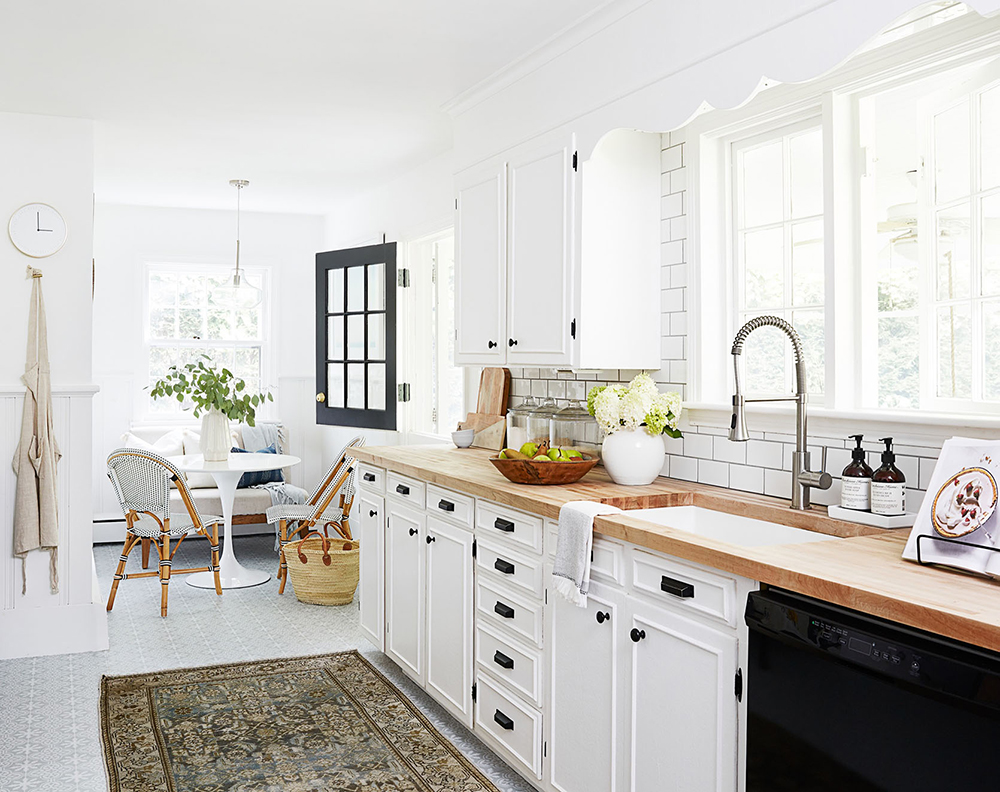
Key was an instant, unanimous pick from the team. She’s an incredible interior photographer in her own right, but we knew once we read her writing and peeked at her own DIY rental renovations – that’s her kitchen above – that she would be the next big thing. She’s warm and creative but she’s also detail-oriented with a perfectionist mindset, which is what it takes to make and shoot and share beautiful spaces for the internet!
We’ll be making her office over – the periwinkle one I shared above – and we’re so excited to work with KILZ because it’s actually covered in oil-based paint, which you can’t cover without using a specialty primer. We’ll have an official update in a few weeks, but I can share the general design direction which is going to knock your socks off…
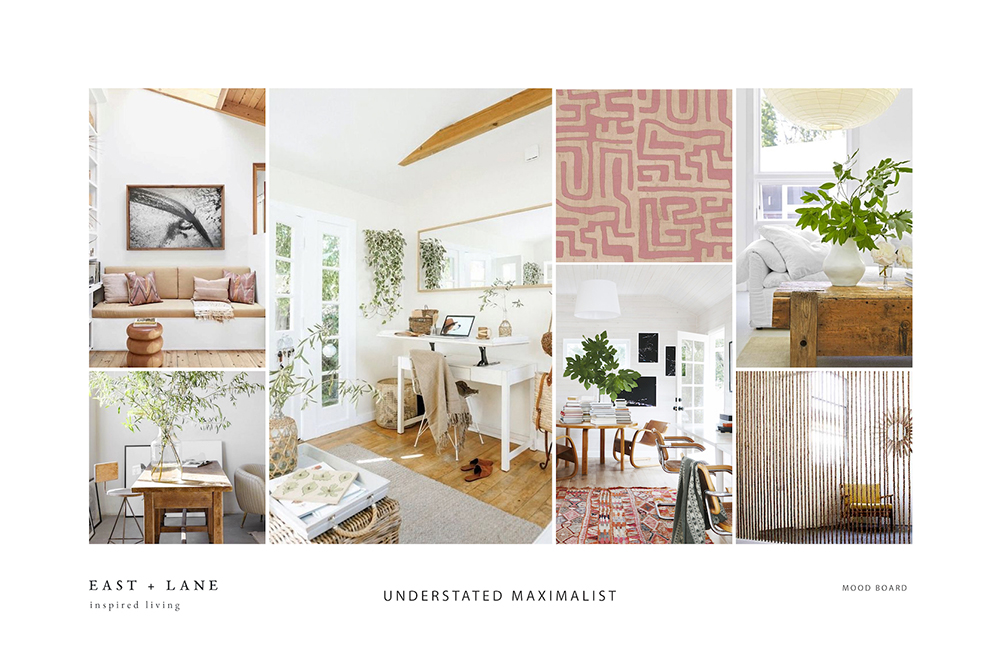
My team and I have been working with Key to secure all the main furniture pieces and BOY, they’re great. (Also, do you see that rope wall partition on the bottom right? It’s so good, isn’t it?) I know it’s only February, but I have a feeling that this is going to be one of our top makeovers of the year. We’re so thrilled to reveal it to you all and so grateful that KILZ has given us the opportunity to work on such a fun project, together. Cheers to beautiful and multifunctional rooms in 2021!
Author is paid sponsor of KILZ Primer. Always remember to refer to our website kilz.com or product back labels for additional information on which primer is right for your project and detailed instructions on how to apply our products.
RELATED ARTICLES
get inspired:
FOLLOw us:
@kilzbrand
SHOP
PRODUCTS
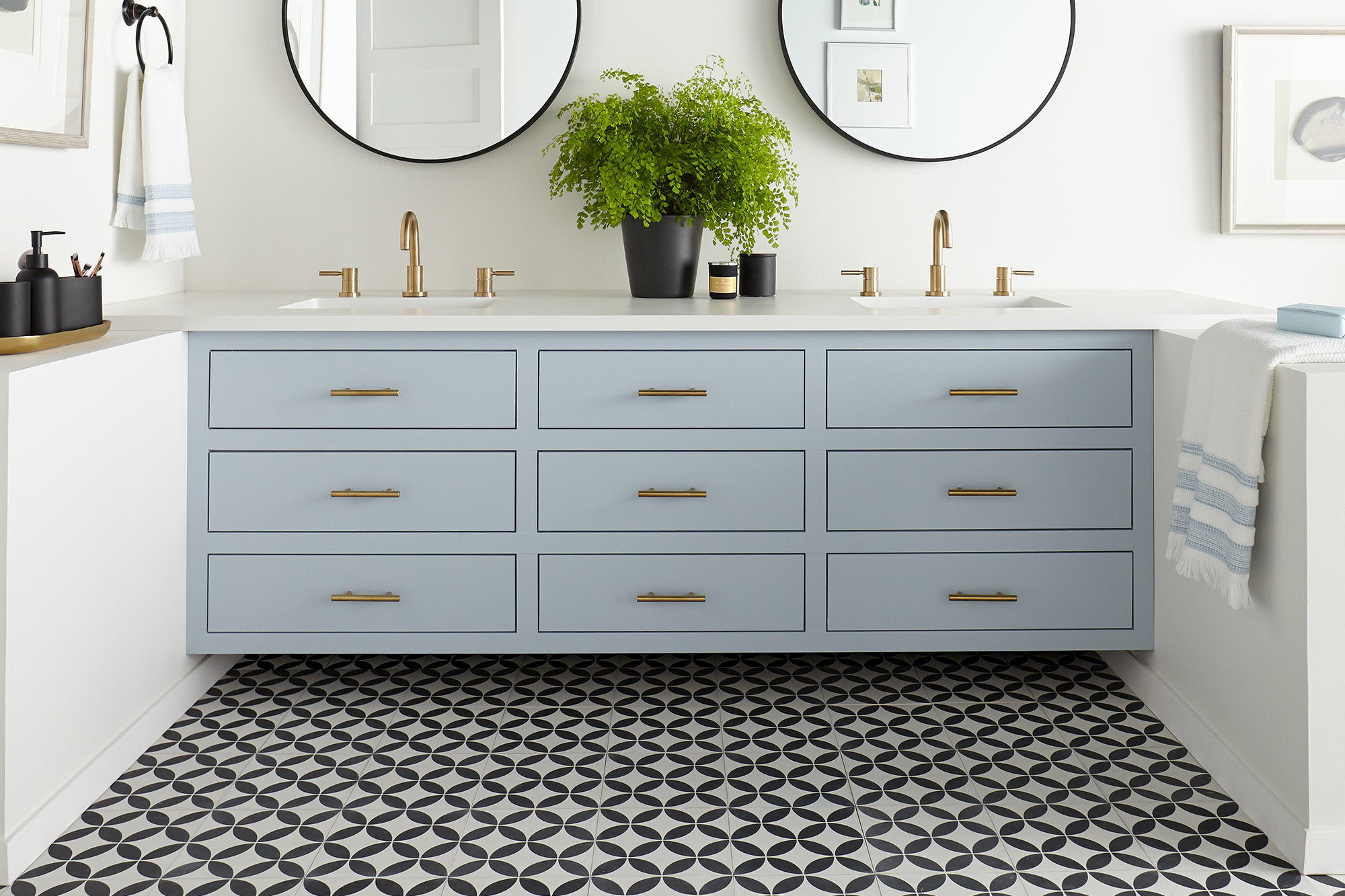
Modern White & Blue Bathroom Makeover
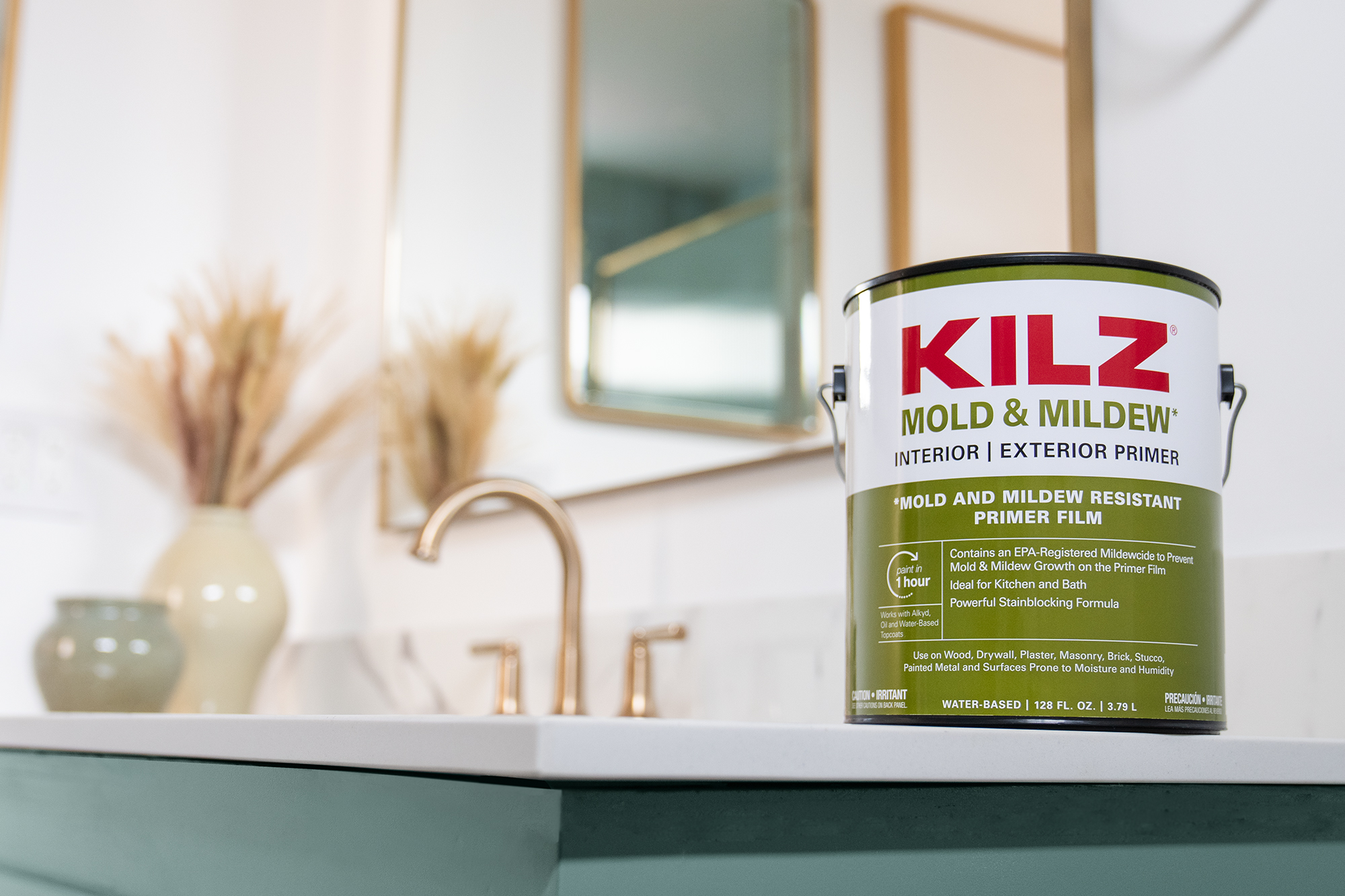
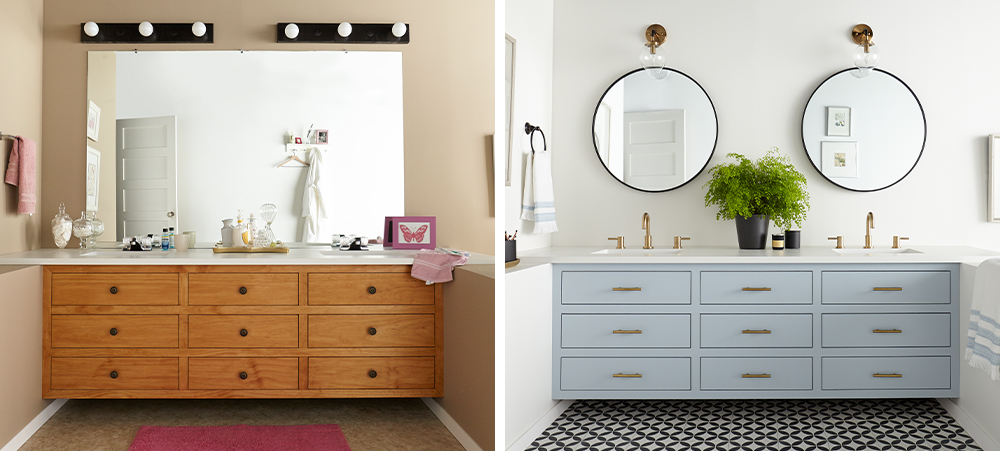
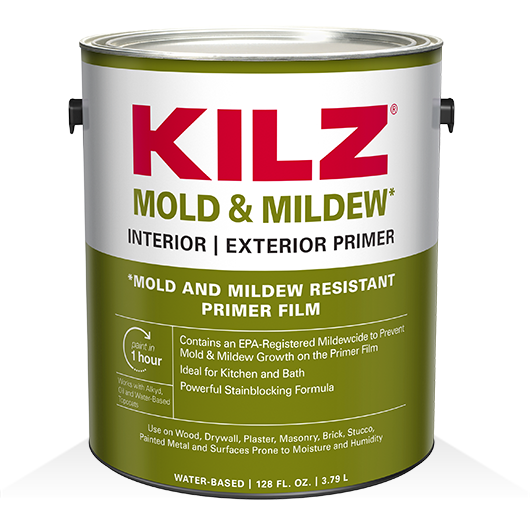
January 19, 2021A bathroom suspended in time is brought to the present with primer and paint freshening up a floating vanity and turning the boring beige space into a light and airy retreat. For this bathroom transformation, KILZ® Mold & Mildew primer is used prior to painting – easily covering dark beige walls to ensure the new white paint will shine in its purest form and properly preparing the wood vanity for a fresh coat of soothing blue paint.
A water-based primer-sealer-stain blocker specially designed for residential surfaces in high humidity, moisture and temperature environments, KILZ® Mold & Mildew primer contains an EPA-Registered active ingredient that creates a mold and mildew-resistant film that protects the primer film from mold and mildew growth.
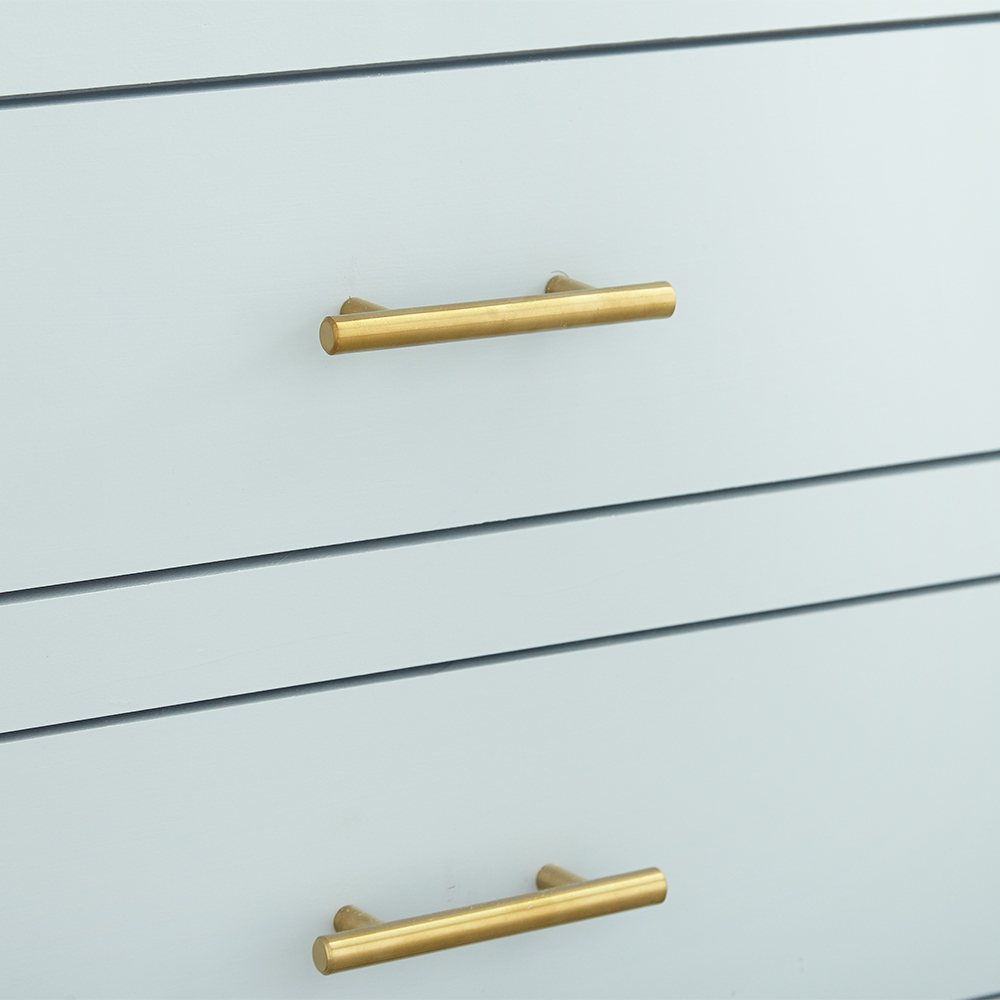
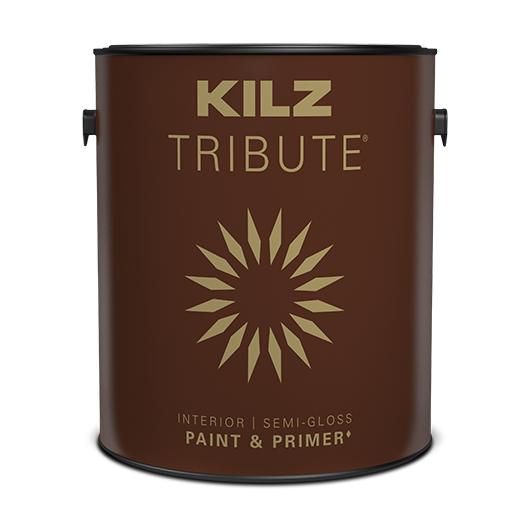
Once the primer is properly applied to the walls and vanity and allowed to dry, the bathroom is ready for paint! KILZ Tribute® in White Modern TB-09 brightens up the walls, while the same paint in Northern Sky TB-42 adds an airiness to the substantially sized vanity. KILZ Tribute provides a durable, highly scrubbable finish that resists staining, fading and peeling, ideal for DIY painting in bathrooms and beyond!
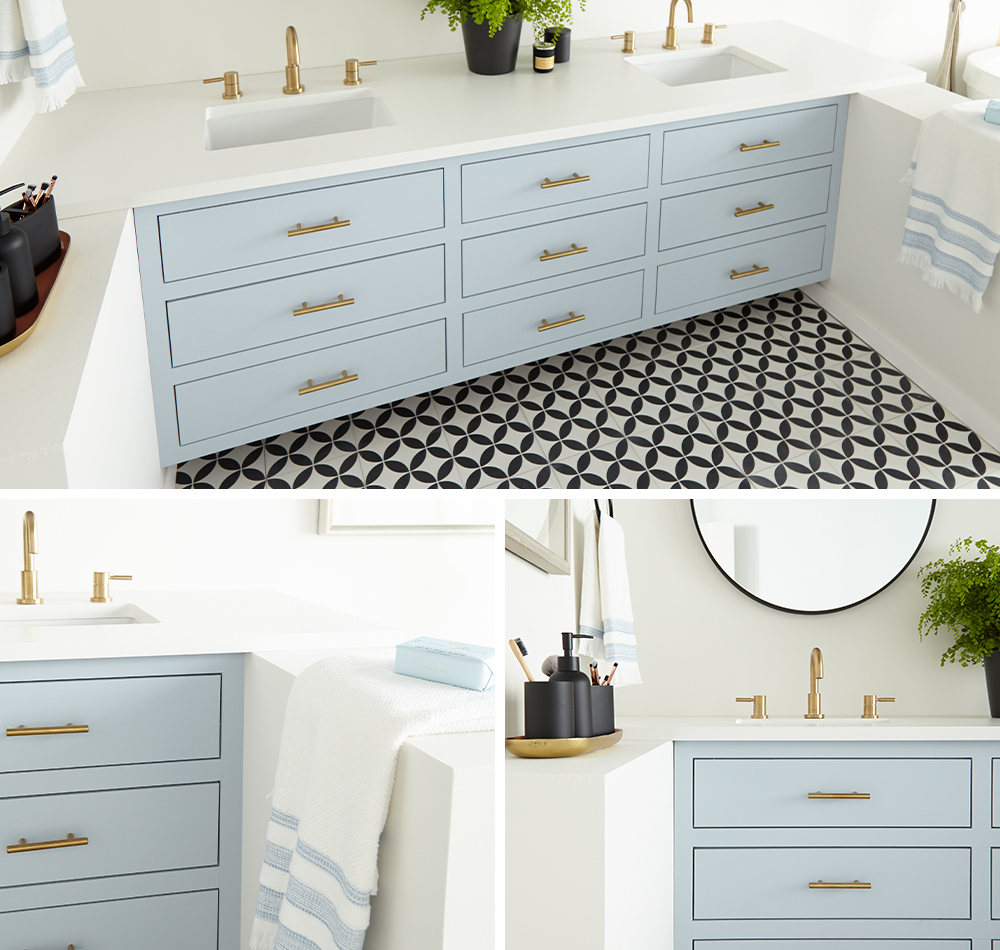
The light and bright bathroom makeover brings in a touch of contemporary flair with new brushed gold hardware and sleek circular mirrors topped with gold, globe-shaped light fixtures. And for the finishing touch, black and white tile flooring perfectly complements the new color scheme without competing – letting the beautiful blue vanity shine as the room’s focal point.
If you’re interested to create a calming and contemporary bathroom of your own, read on below for step-by-step instructions to prime and paint walls and cabinets.
WALLS
Step 1:
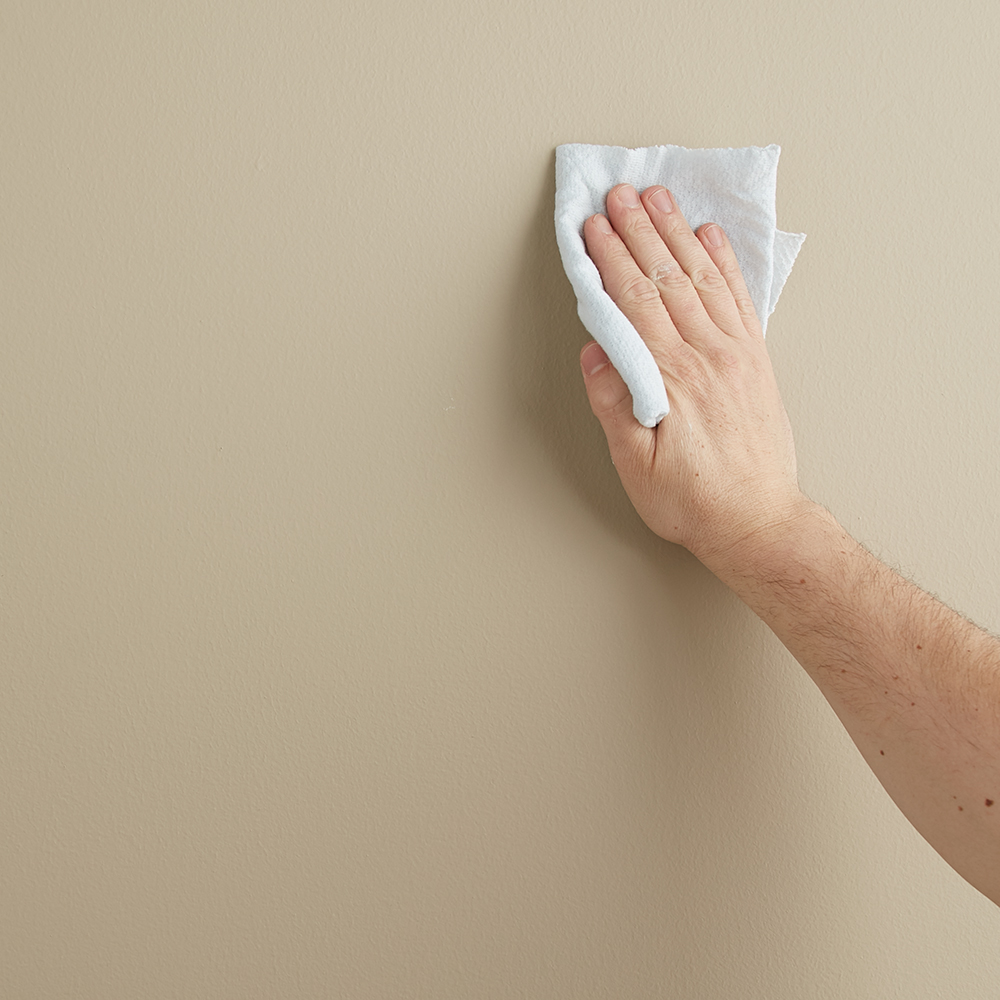
Wipe down walls with a damp cloth to ensure they are clean and free of dust. Allow to dry.
Step 2:
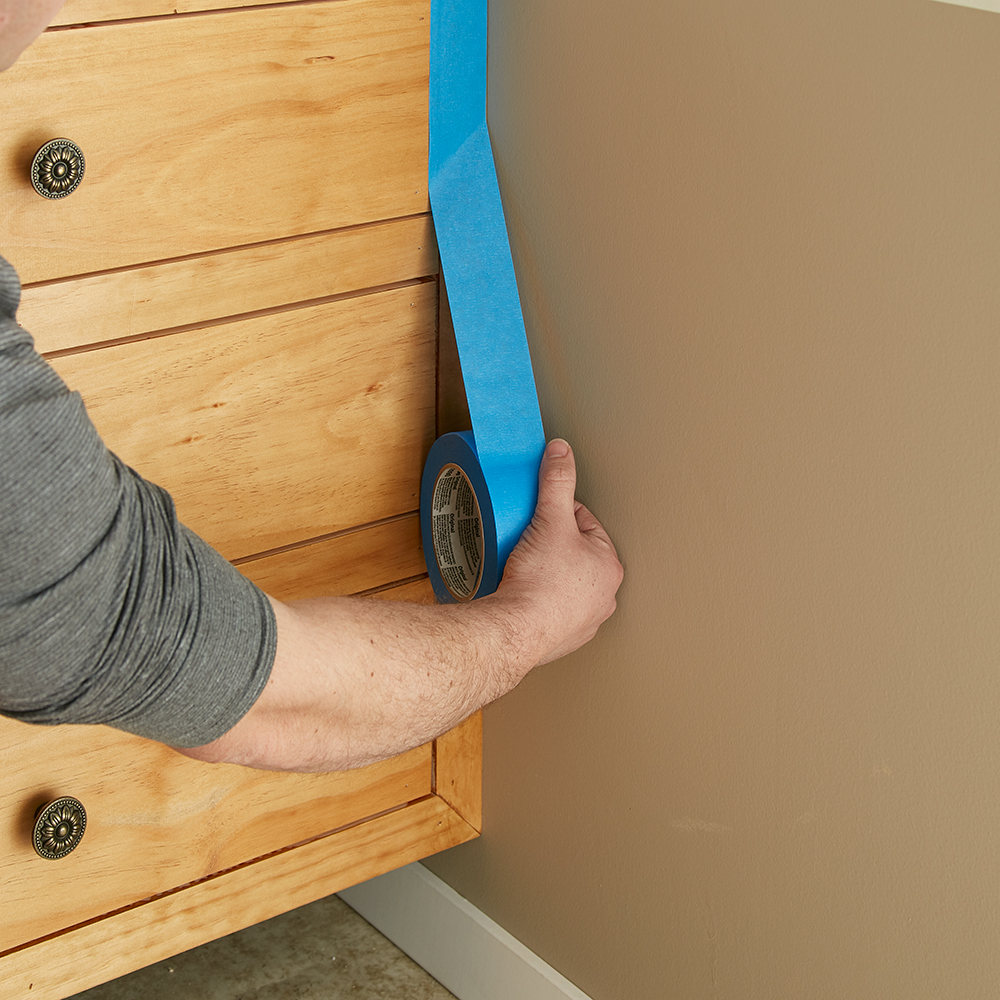
Tape around the vanity frame and countertop edges with painter’s tape to ensure you don’t get primer or paint where you don’t want it!
Step 3:
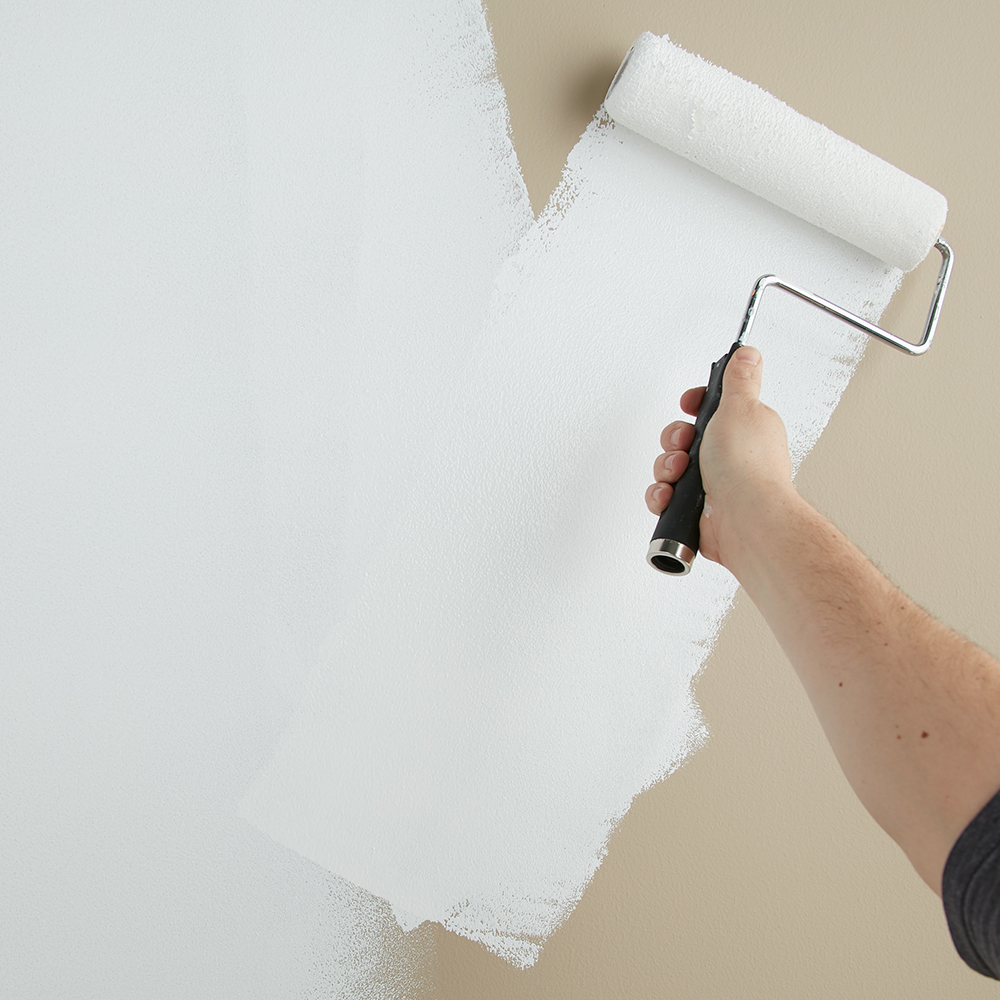
To ensure a mildew resistant primer coat, apply 1 coat of KILZ® Mold & Mildew (stirring thoroughly before and occasionally during use) to the walls and allow to dry. Apply primer using a brush first to “cut in” around the edges, then use a roller to fill in.
Step 4:
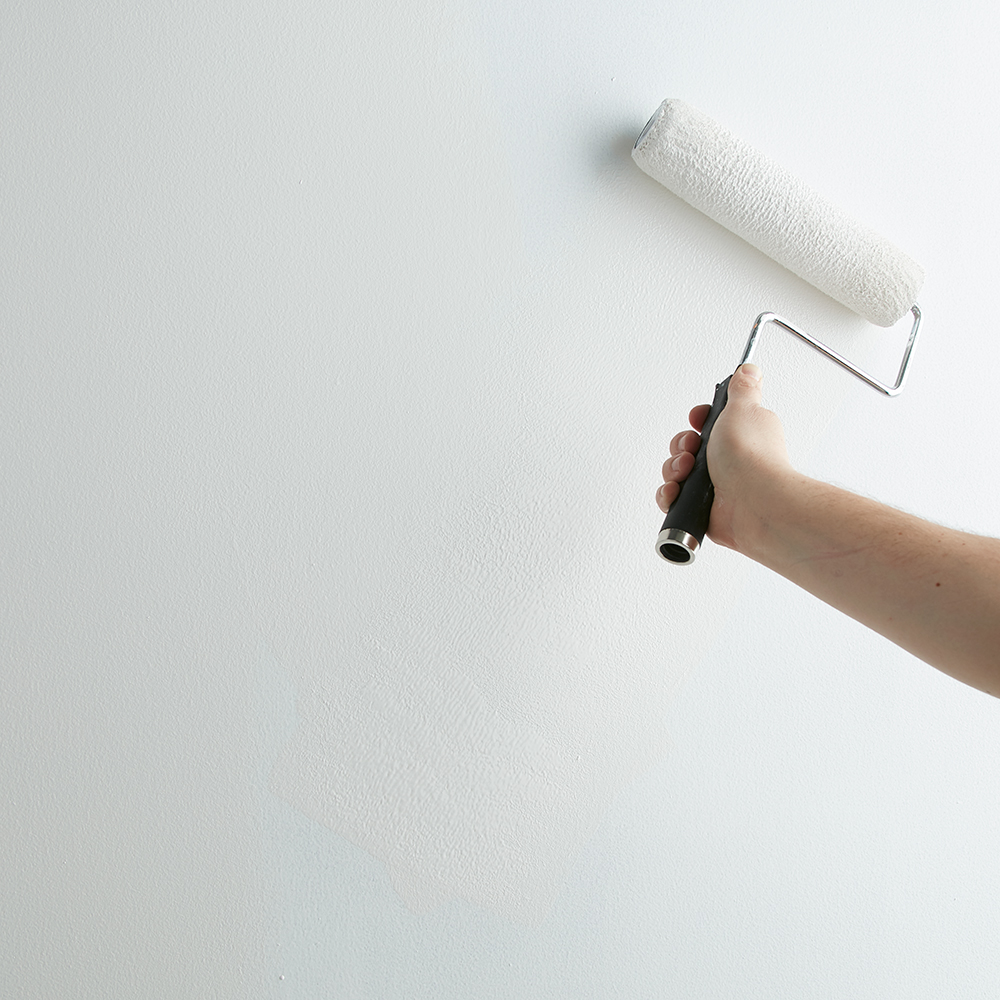
Once primer is dry, apply KILZ Tribute® in White Modern using the same application method as the primer (using a brush first to cut in around the edges 4 to 6 feet at a time, then use a roller to fill in those sections before moving along).
Step 5:
Remove the tape before the paint is fully dry.

VANITY
Step 1:
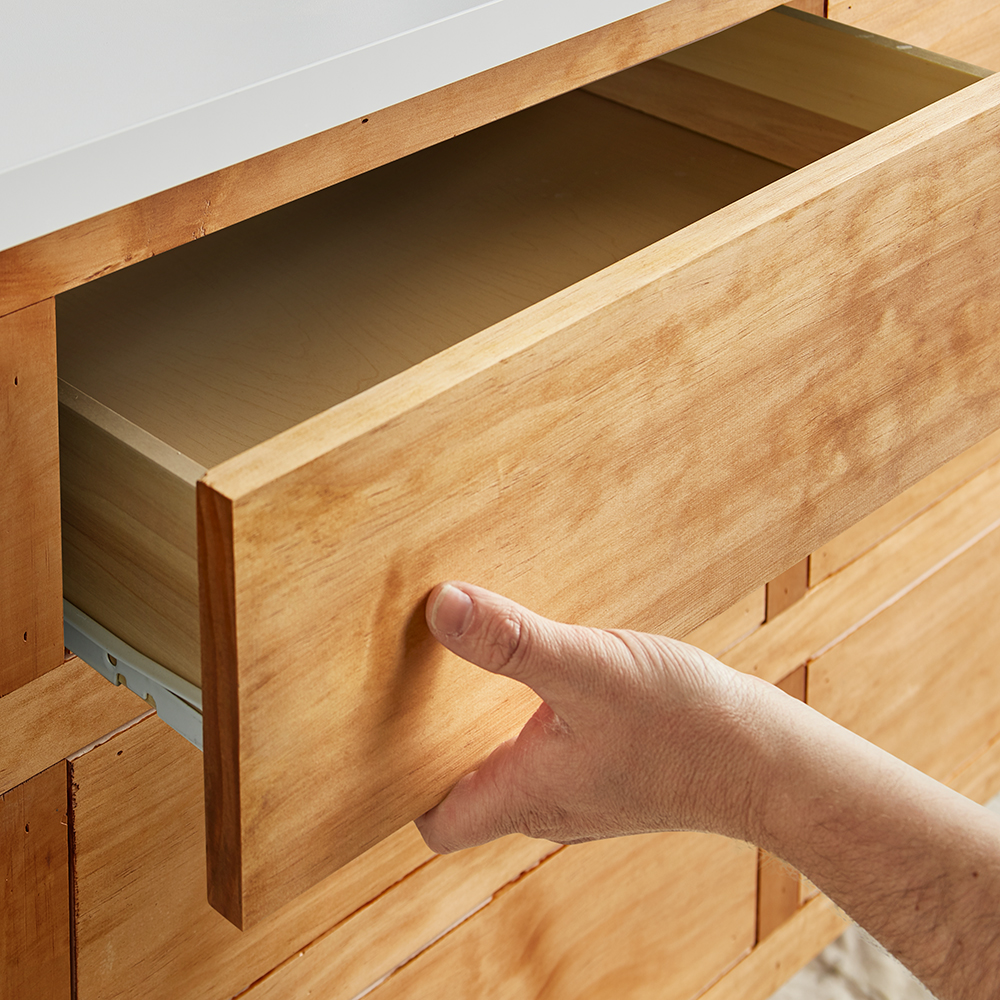
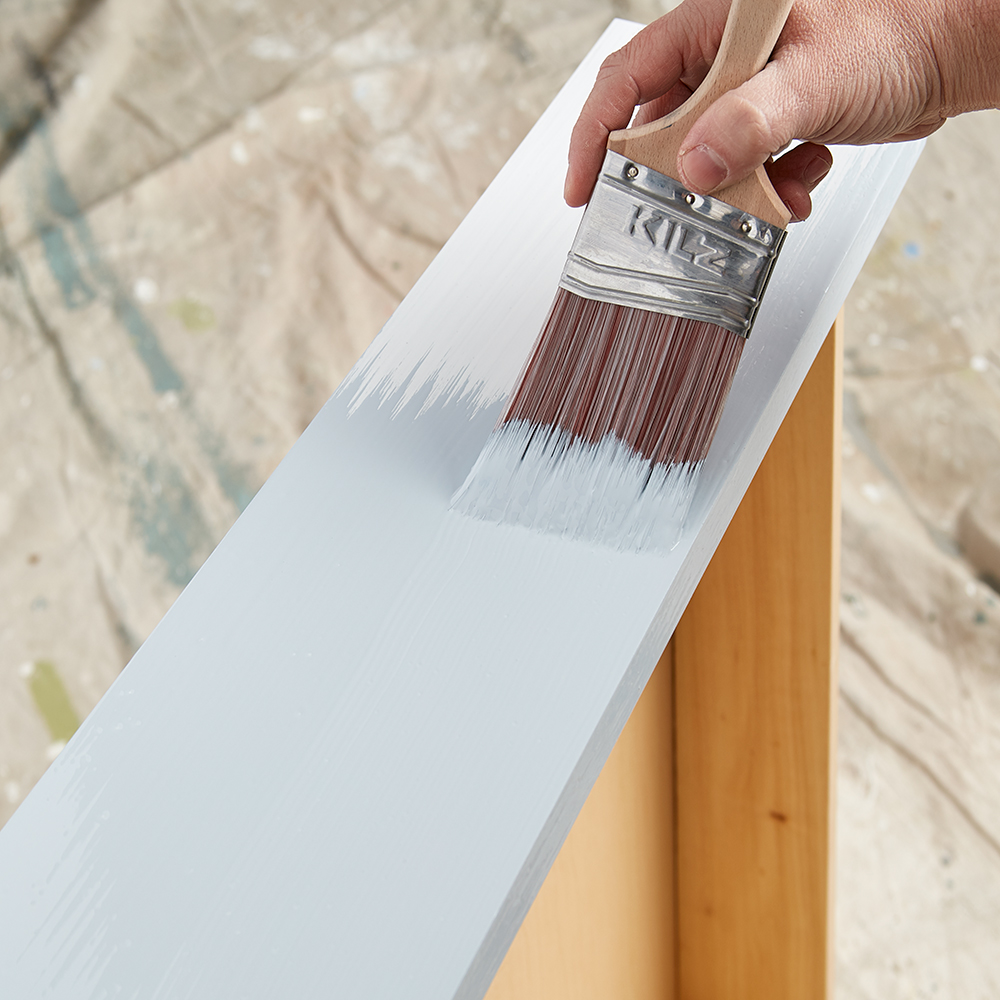
Remove vanity drawers and hardware, putting each screw back into its hardware and sealing them together with painter’s tape. You’ll want to label each set to ensure you can put each screw back exactly where it came from, ensuring the least amount of stress on the wood.
Step 2:
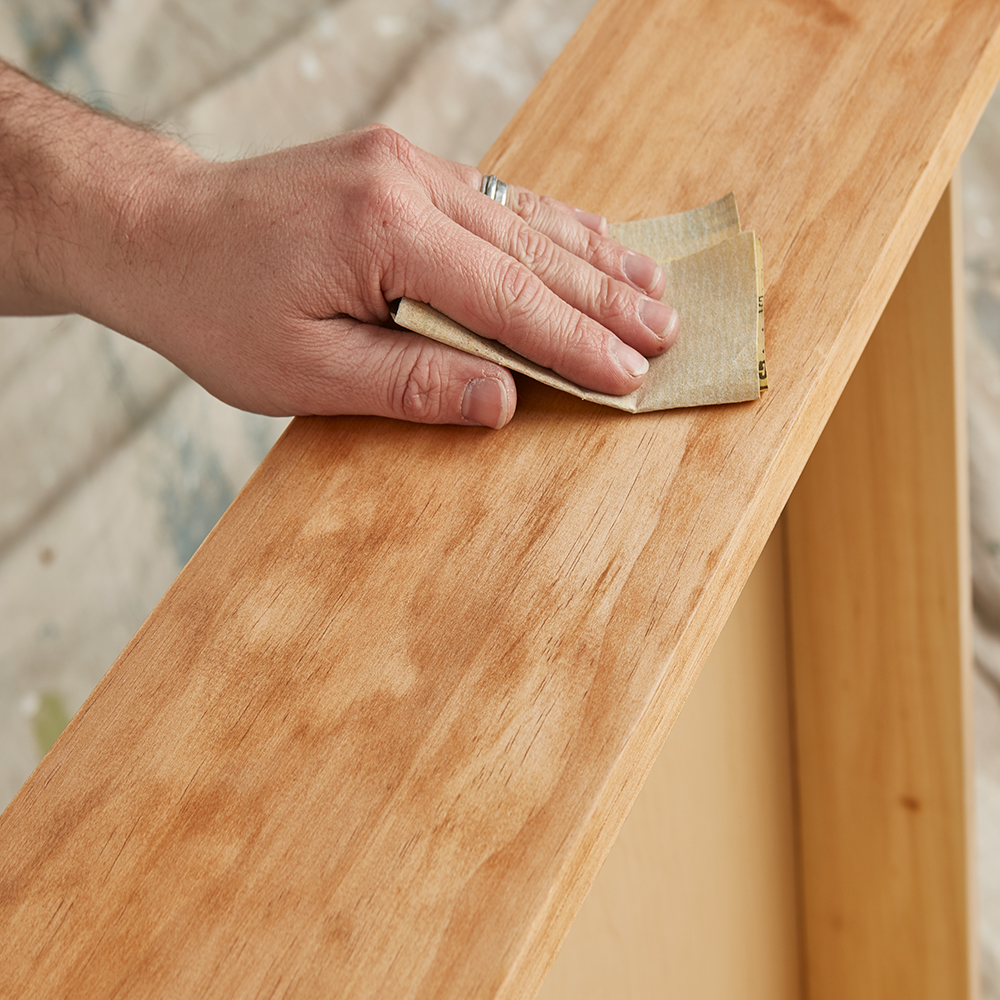
Sand the surface of the vanity body and all drawers, doing a first pass with 100-150 grit sandpaper then finish with a second pass of 180-220 grit sandpaper.
Step 3:
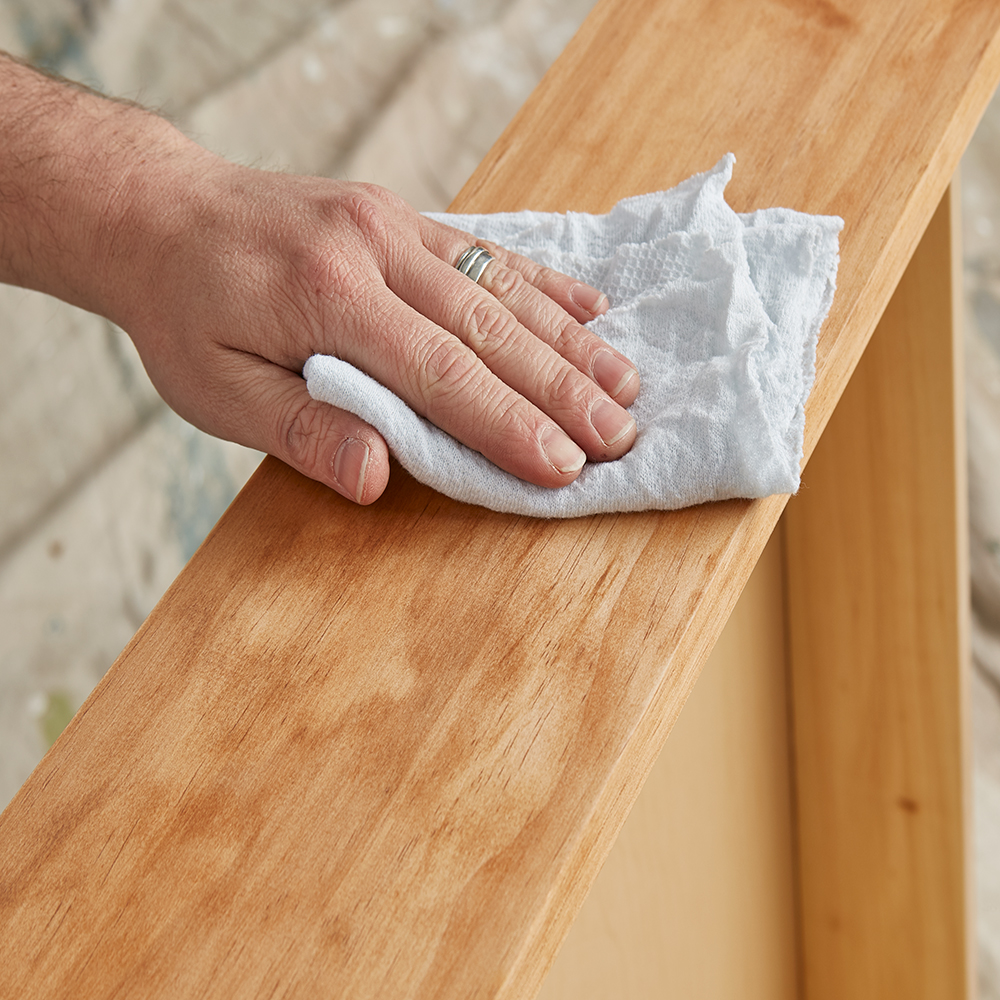
After sanding, wipe down the surfaces with a damp cloth to remove any dust or residue and allow to dry. Tape around the vanity body where the wood meets the walls and countertop to protect those areas.
Step 4:
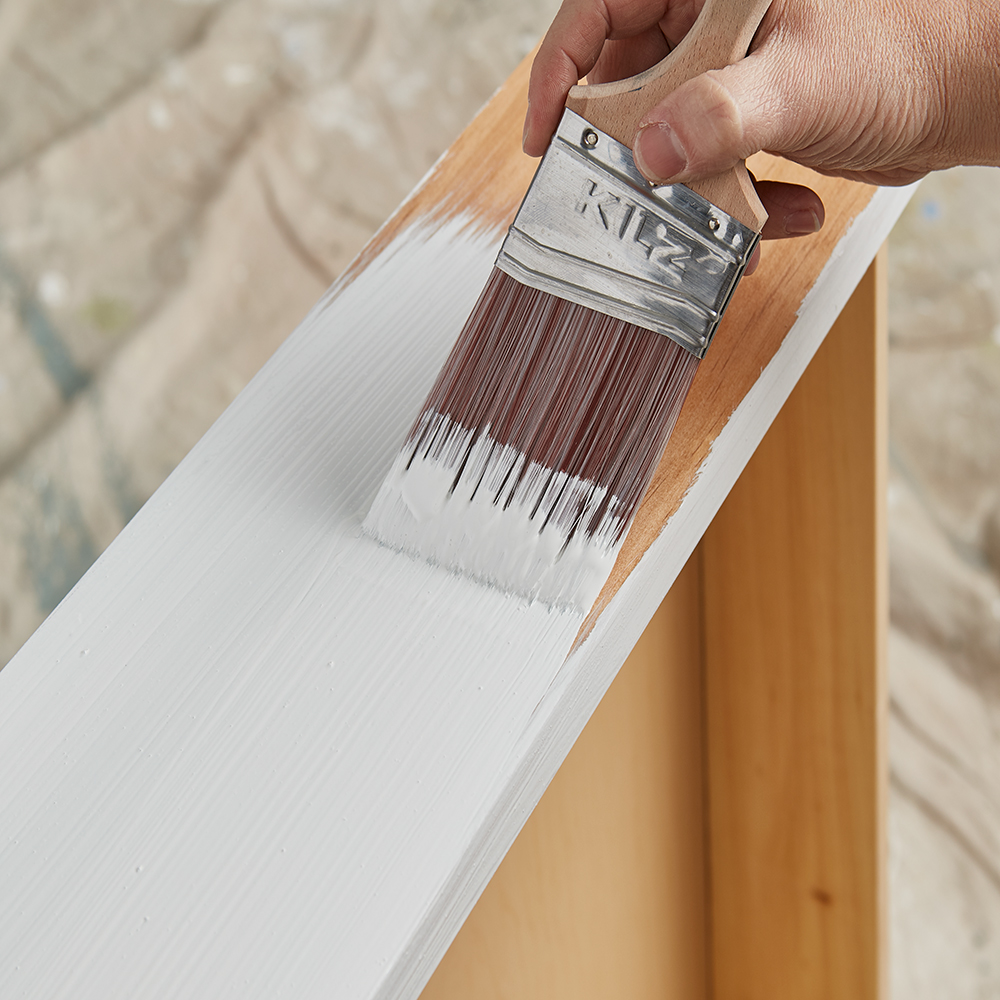
Apply KILZ® Mold & Mildew (stirring thoroughly before and occasionally during use) to the vanity body and drawers, moving in the same direction as the wood grain for best results. Allow primer to dry for 1 hour.
Step 5:
Once the primer is dry, apply KILZ Tribute® in Soothing Ocean. Remove the painter’s tape before the paint is fully dry.
Step 6:
Once everything is dry, reattached your hardware and put the drawers back into place.
Always remember to refer to our website kilz.com or product back labels for additional information on which primer is right for your project and detailed instructions on how to apply our products.
RELATED ARTICLES
get inspired:
FOLLOw us:
@kilzbrand
Mid-Century Modern Living Room Makeover
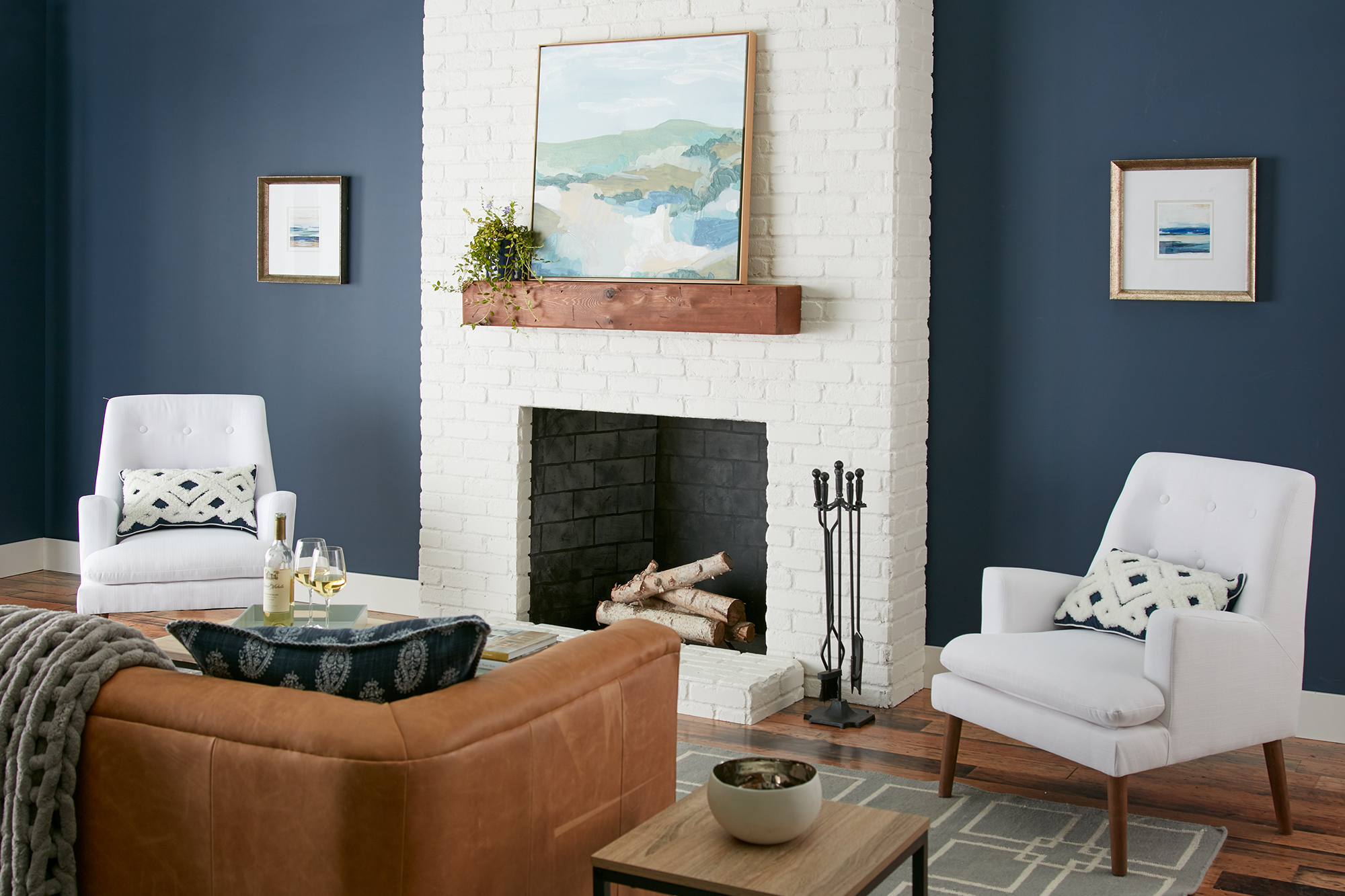
January 19, 2021A lackluster living room is warmed up with new modern design elements, including a spark of mid-century style and a freshly primed and painted fireplace that pops against on-trend navy walls. For this painting project that includes sealing porous brick and covering an old wall color, KILZ 2® All-Purpose primer is perfect for the job as it’s formulated for a variety of surface types.
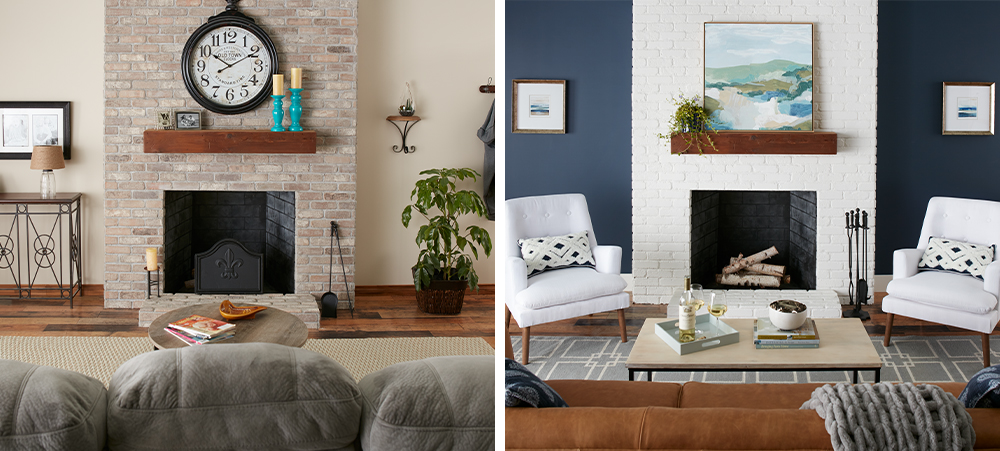
Brick is a naturally porous surface and will typically soak up a lot of paint if not properly sealed with the right primer, making proper prep essential when painting a fireplace. KILZ 2 All-Purpose is the right choice for the job, as the versatile multi-surface sealer is able to work overtime and coat both the fireplace and walls. Even when painting a darker color over a light color, it is essential to prime first to ensure that the new dark shade appears as the exact color you’re expecting.
Once the fireplace and walls are properly primed and allowed to dry, it’s time for paint! KILZ Tribute® in Architectural White TB-08 transforms the fireplace into a creamy white focal point for the large living room, highlighted by walls painted in a stylish navy shade – Ruling Royalty TB-50.
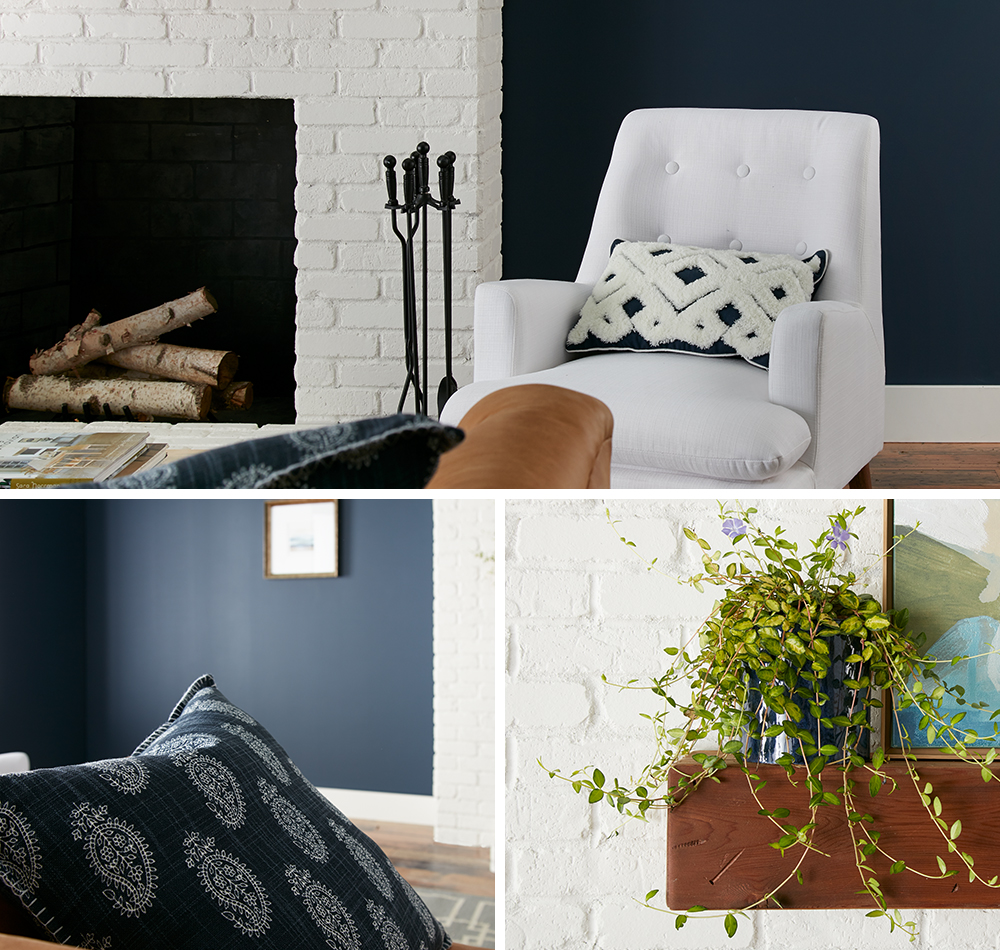
Primer and paint make a huge impact in this living room makeover and create the perfect setting for contemporary furniture and décor. A warm leather couch and two snowy-white armchairs flanking the freshly painted fireplace evoke a mid-century feel, while pops of navy in pillows and artwork are the perfect companion for the new navy walls.
Read on below for step-by-step instructions to prime and paint living room walls and a brick fireplace.
WALLS
Step 1:
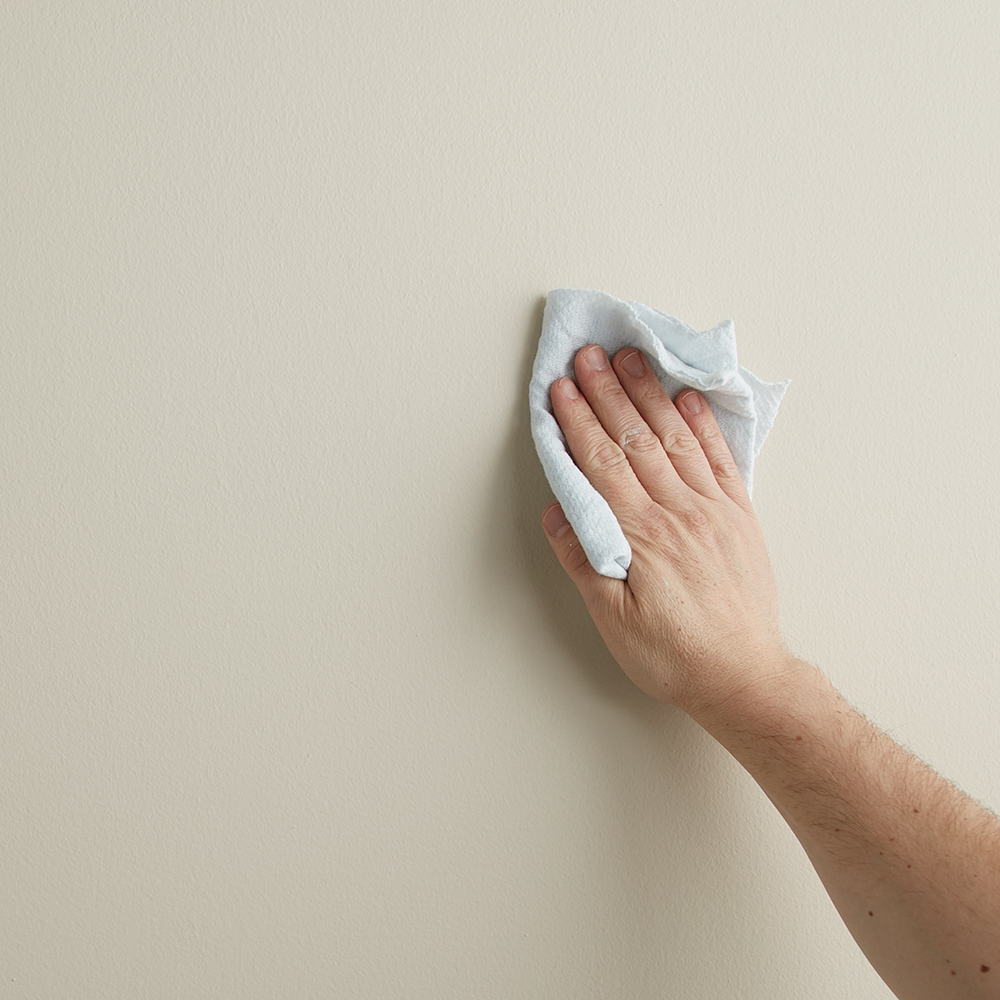
Wipe down walls with a damp cloth to ensure they are clean and free of dust. Allow to dry.
Step 2:
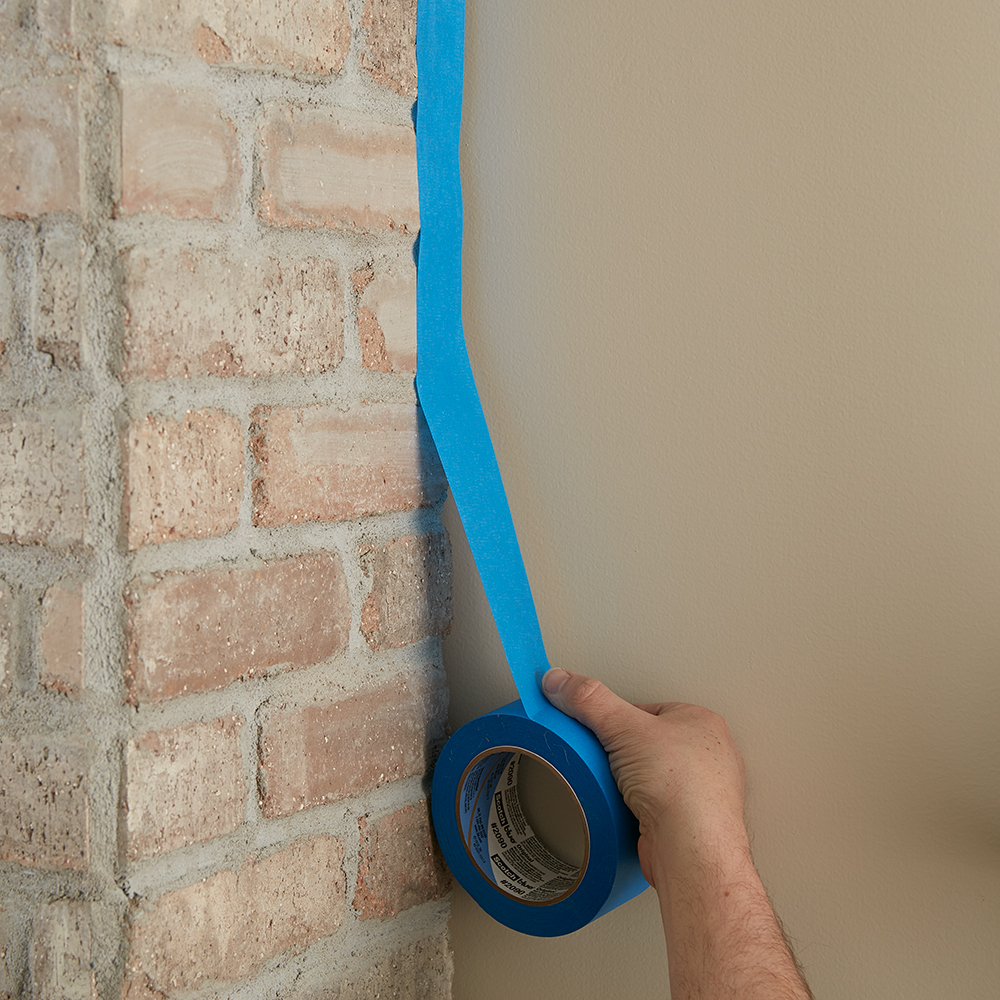
Tape around the fireplace, baseboards and moldings with painter’s tape to ensure you don’t get primer or paint where you don’t want it!
Step 3:
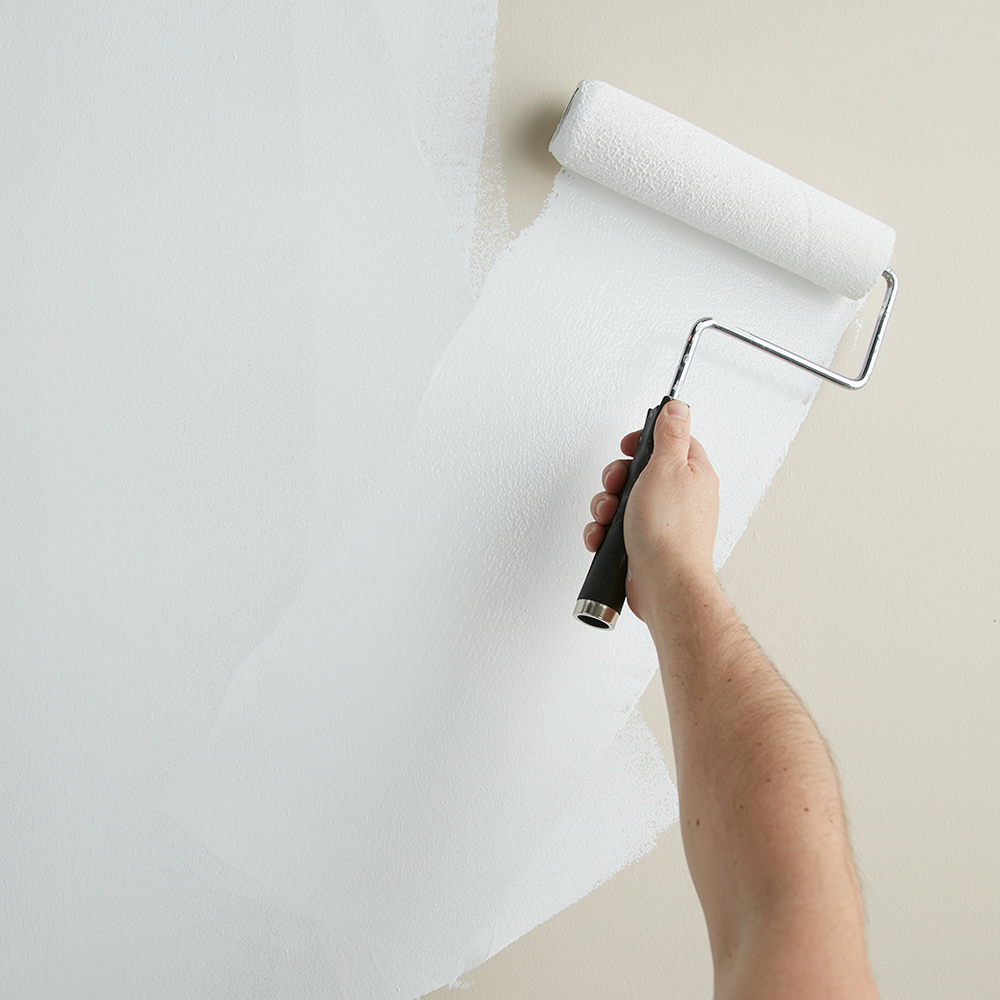
Next, apply 1 coat of KILZ 2® All-Purpose (stirring thoroughly before and occasionally during use) to the walls and allow to dry. Apply primer using a brush first to “cut in” around the edges, then use a roller to fill in.
Step 4:
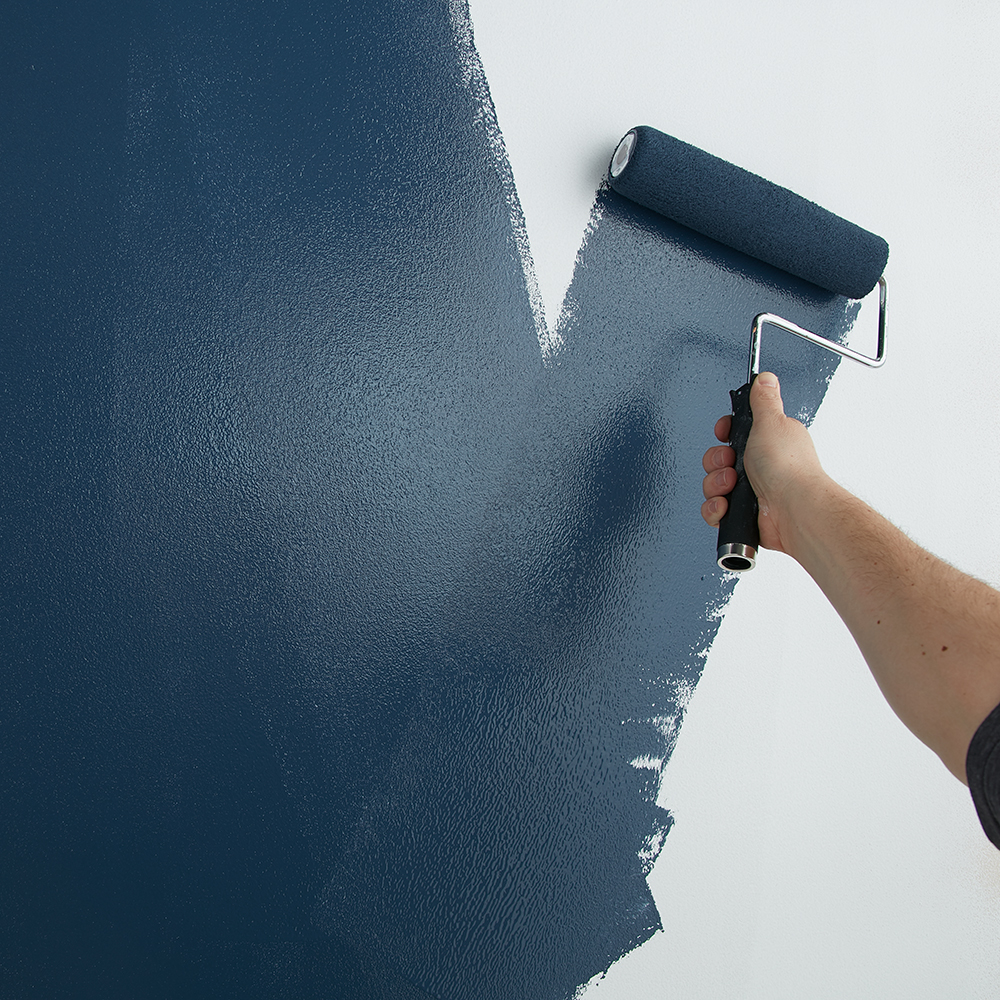
Once primer is dry, apply KILZ Tribute® in Ruling Royalty using the same application method as the primer (using a brush first to cut in around the edges 4 to 6 feet at a time, then use a roller to fill in those sections before moving along).
Step 5:
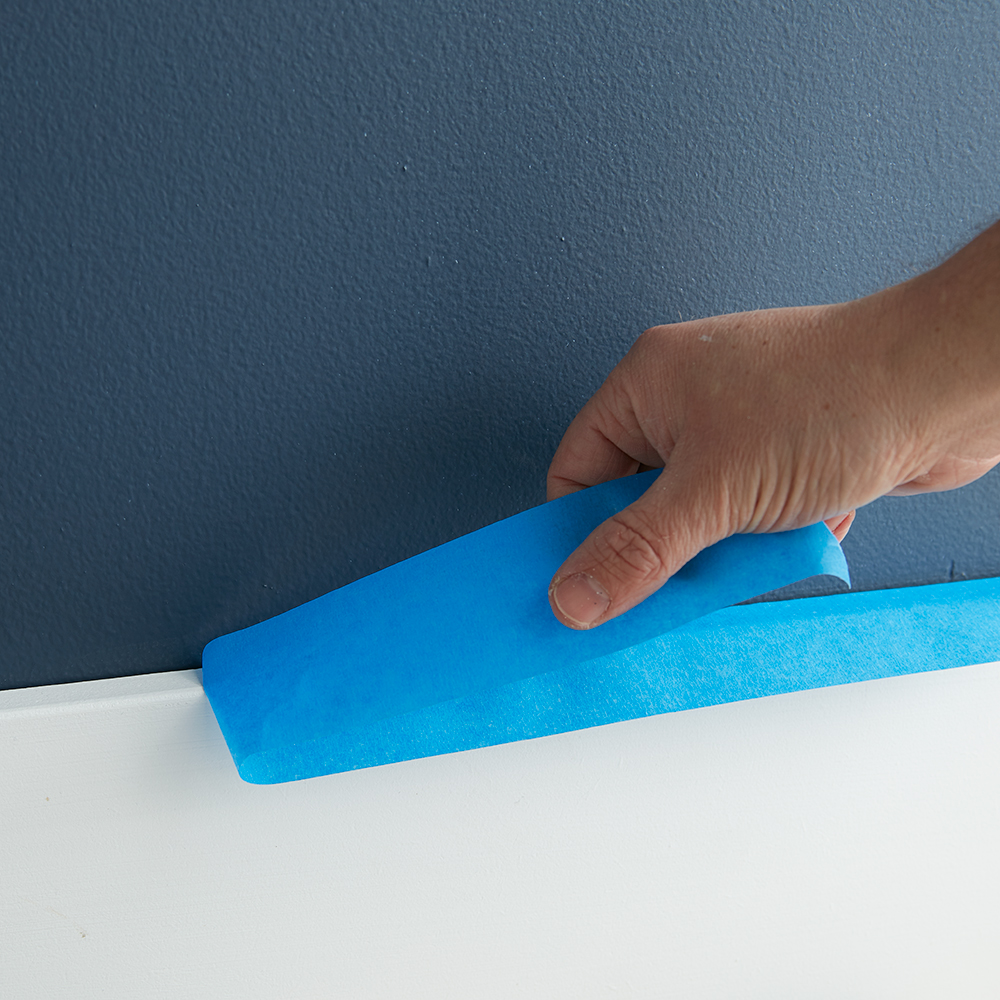
Remove the tape before the paint is fully dry.
FIREPLACE
Step 1:
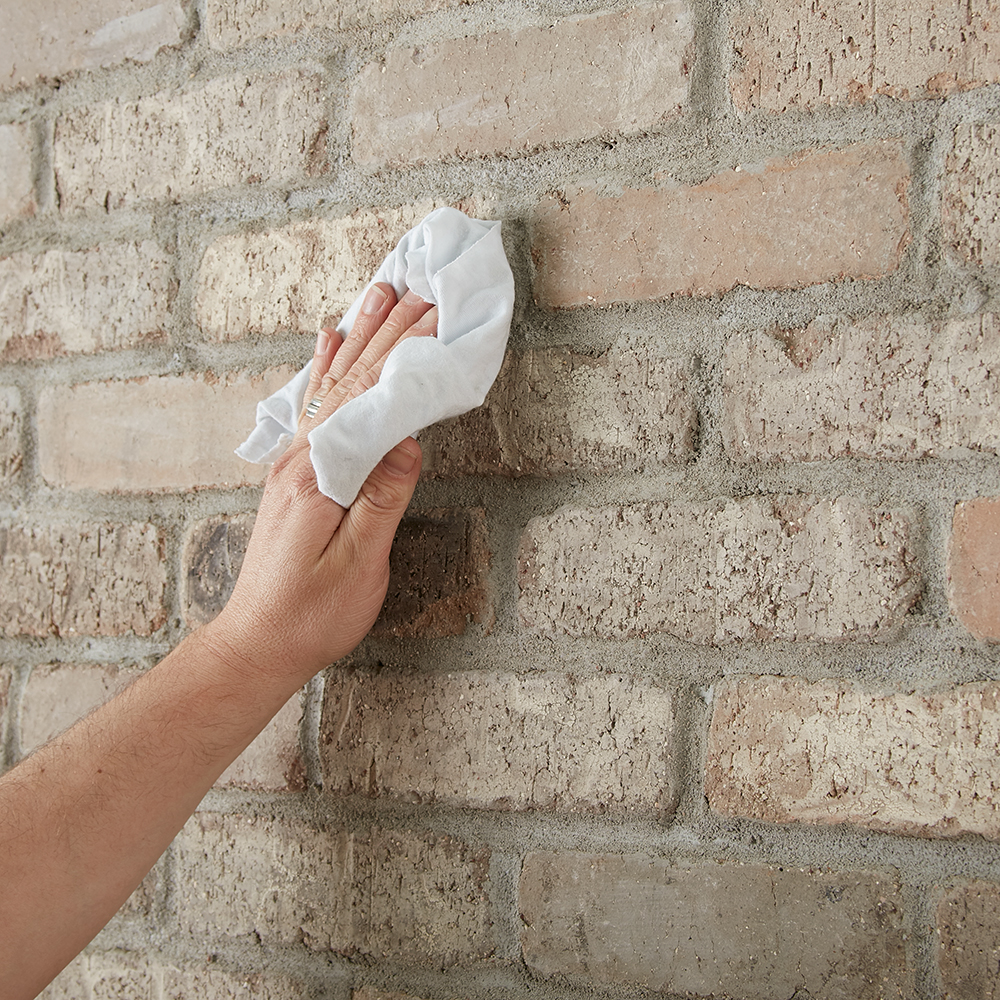
First, you’ll want to clean the old brick fireplace. If it’s extra dirty, start with a vacuum and use the crevice tool attachment to clean between the bricks. Next, wipe down the fireplace with a damp cloth to ensure all surfaces are clean and free of any lingering dust. Allow to dry.
Step 2:
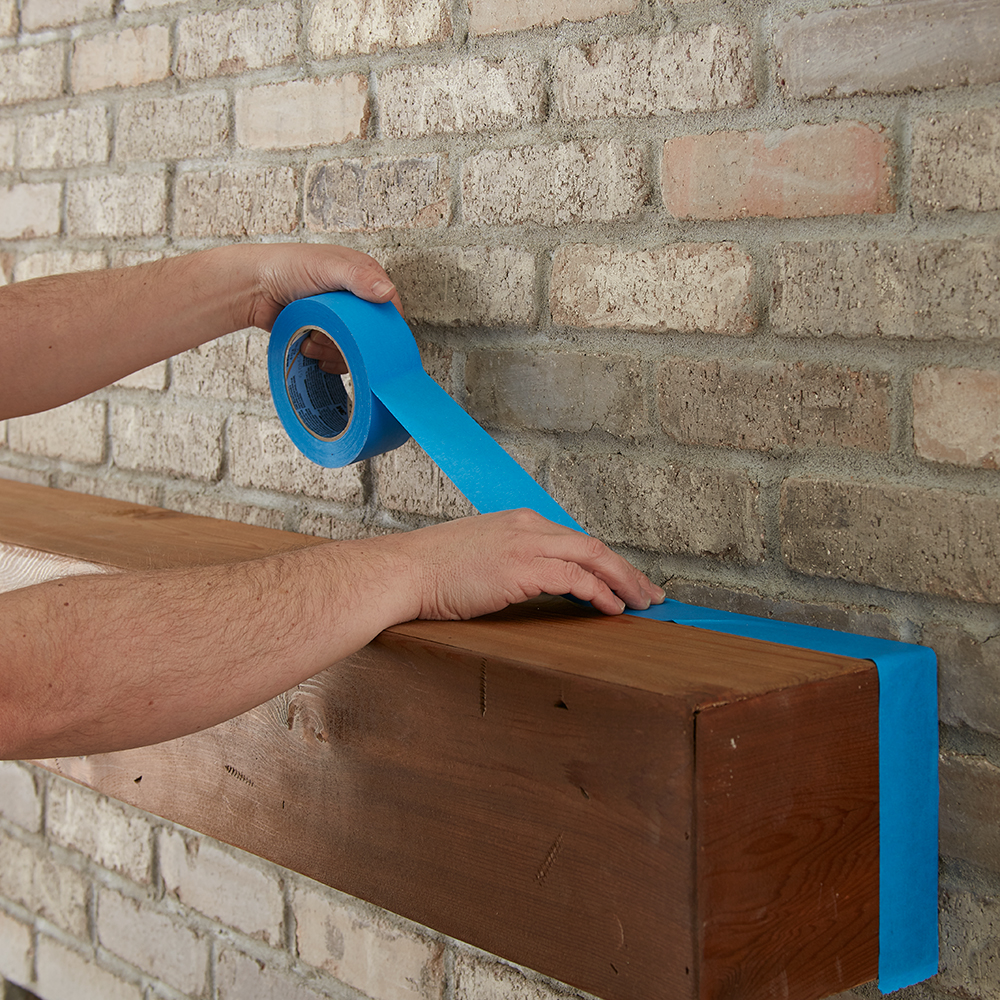
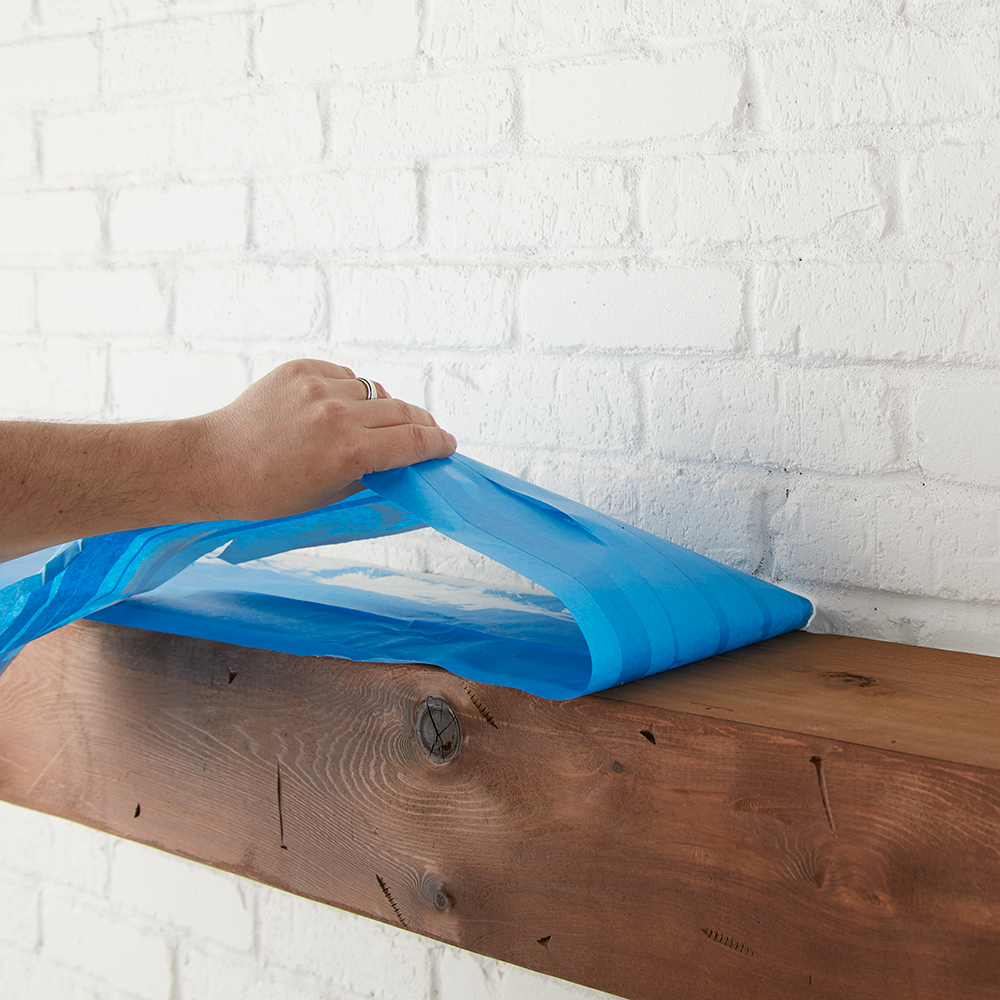
Tape around the fireplace to protect the walls and floor. Also tape around the mantel and where the brick meets the firebox (the inside where the wood goes!) to keep that area protected from paint and primer.
Step 3:
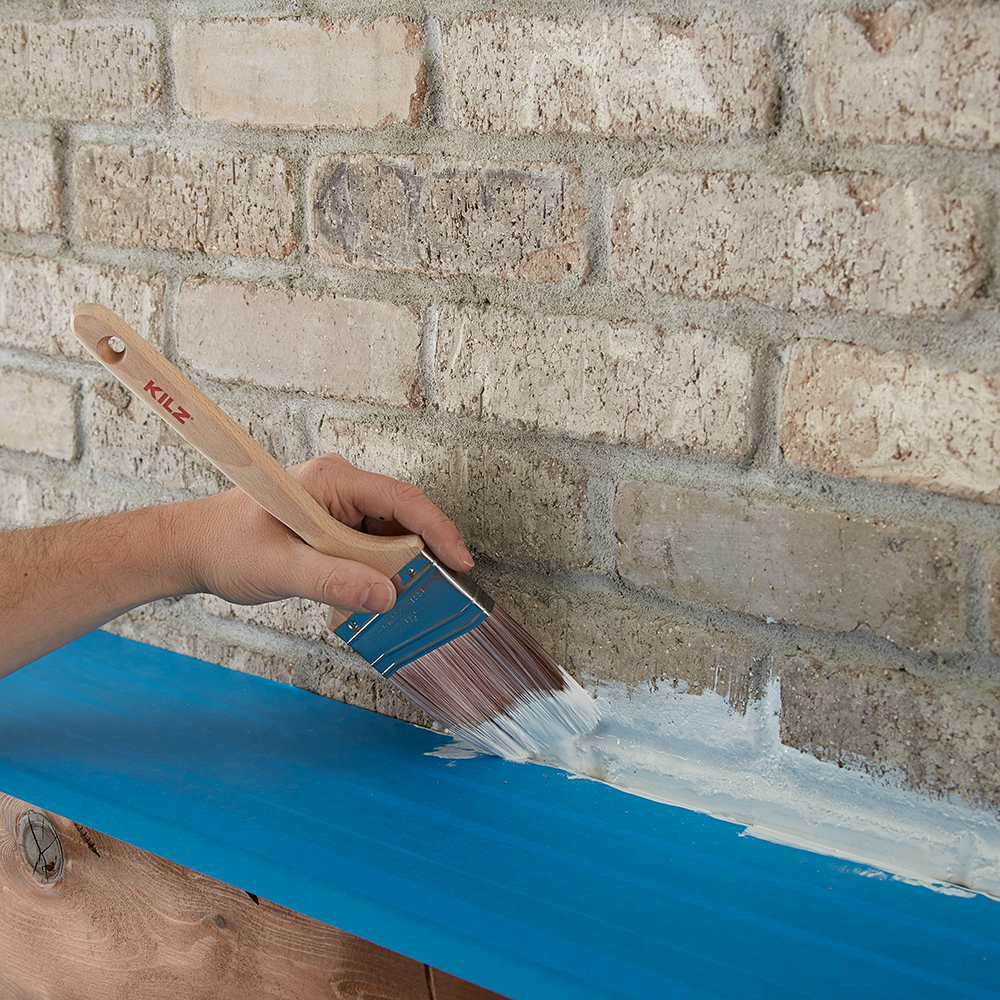
Now it’s time to prime! Using KILZ 2® All-Purpose primer, start with an angled brush to cut in around the mantle.
Step 4:
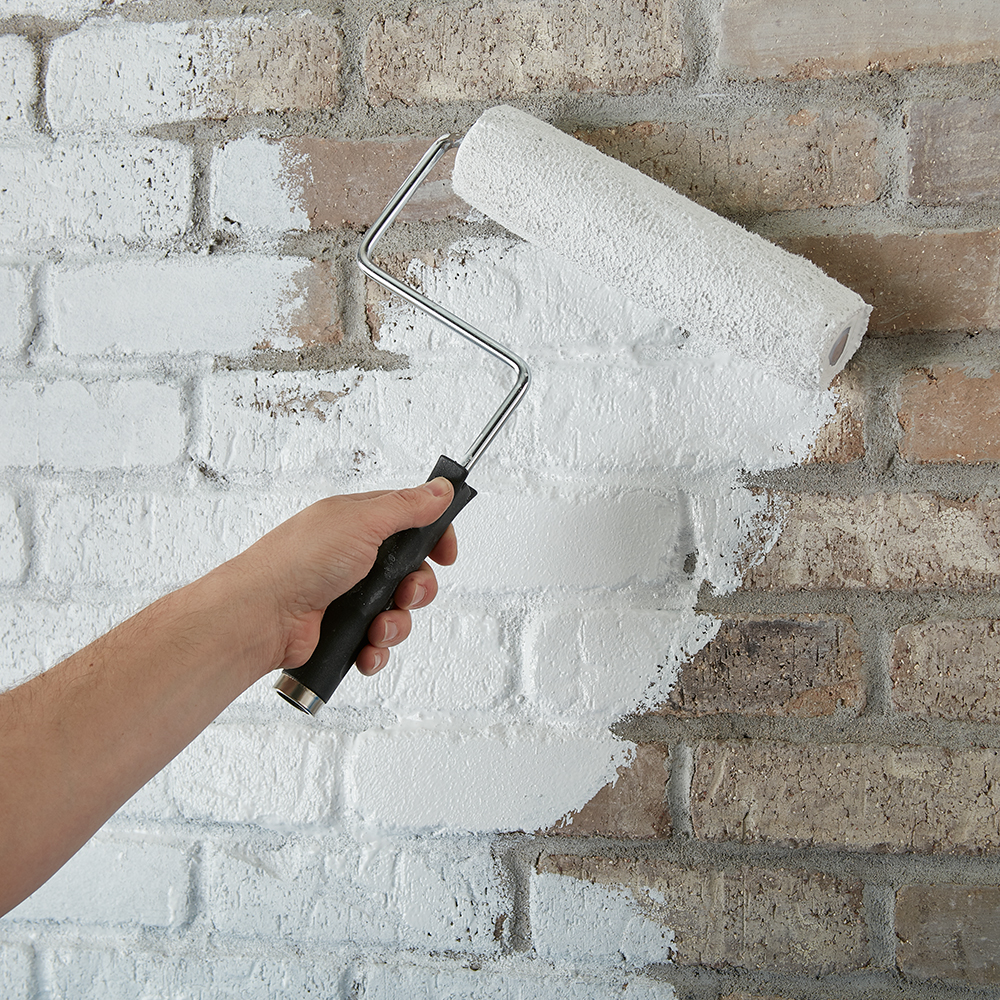
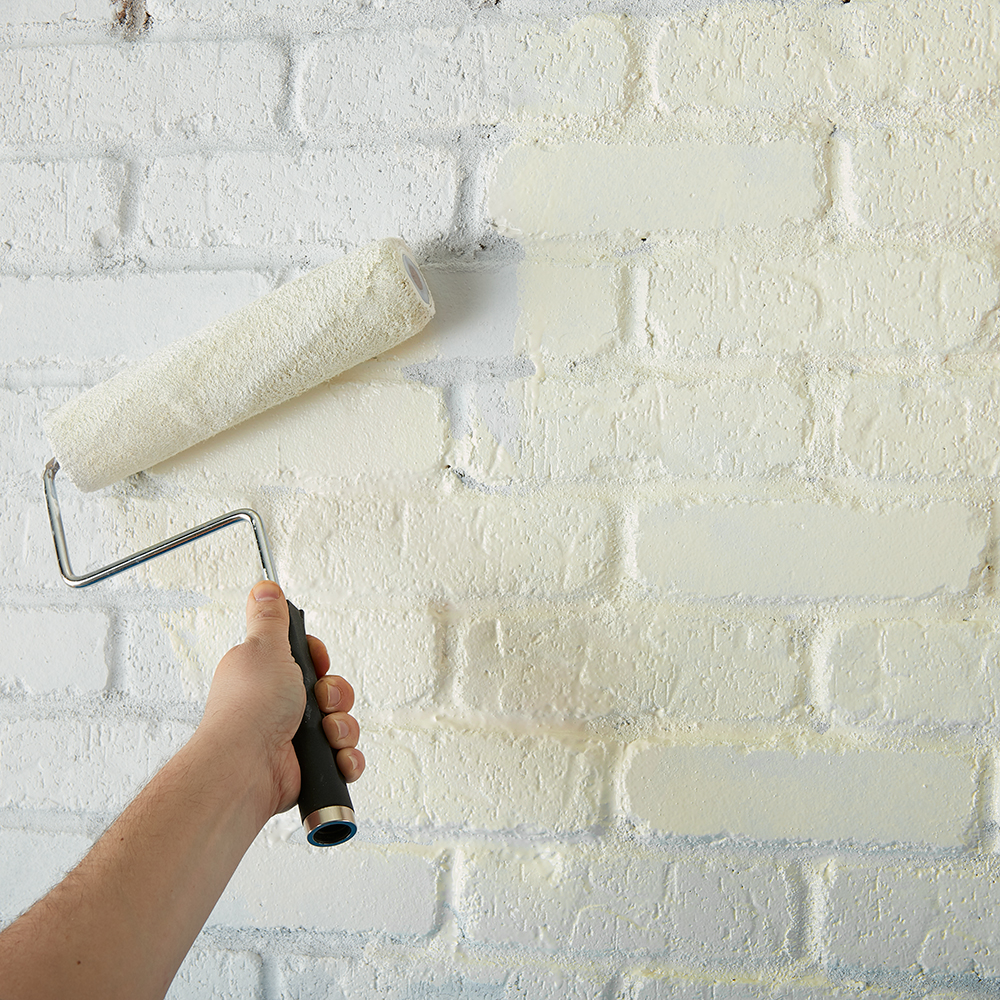
Next, use a roller to cover the brick faces with primer. If needed, go back with a small angled brush to fill in any remaining grout areas. Allow to dry.
Step 5:
Once your primer is dry, apply KILZ Tribute® in Architectural White using the same application method as the primer (use a brush first to cut in and then use a roller).
Step 6:
Remove the painter’s tape before your paint is fully dry.
Always remember to refer to our website kilz.com or product back labels for additional information on which primer is right for your project and detailed instructions on how to apply our products.
RELATED ARTICLES
get inspired:
FOLLOw us:
@kilzbrand
join the conversation:
SHARE this post: